Category: Italy

  • Italy 3: When Autopilot Fails the Senses

    Italy 3: When Autopilot Fails the Senses

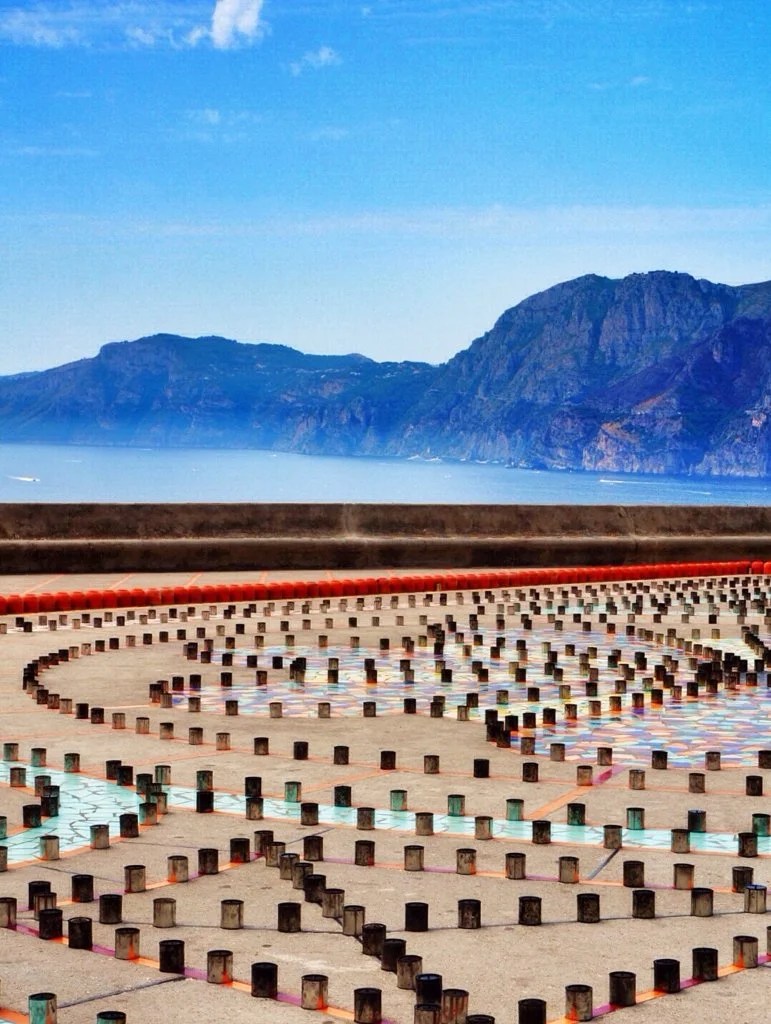
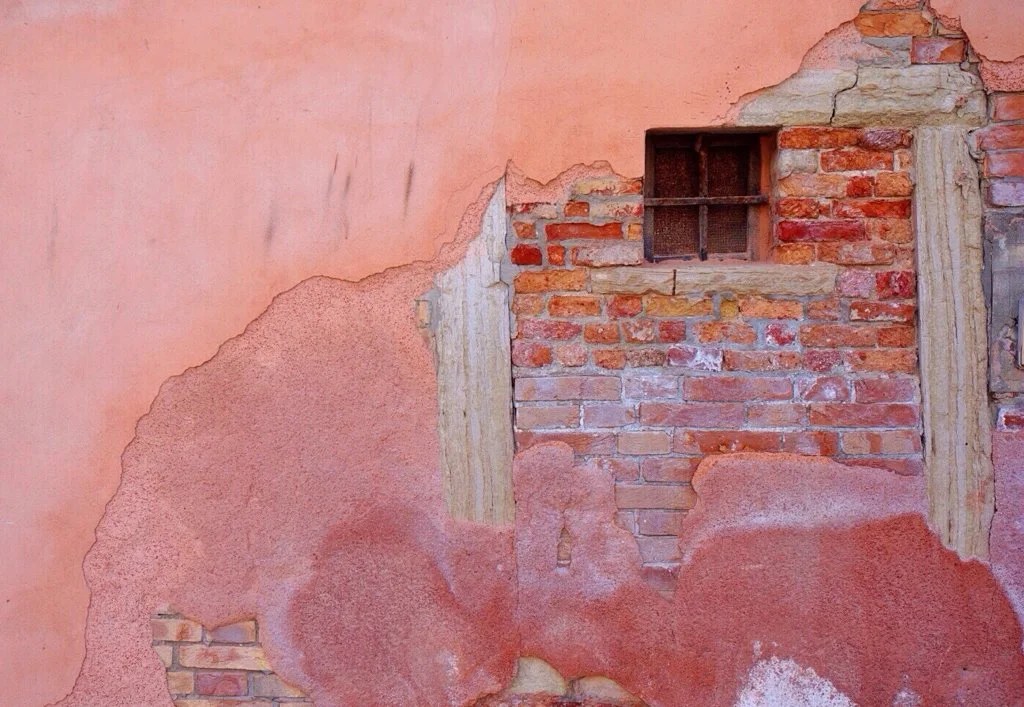
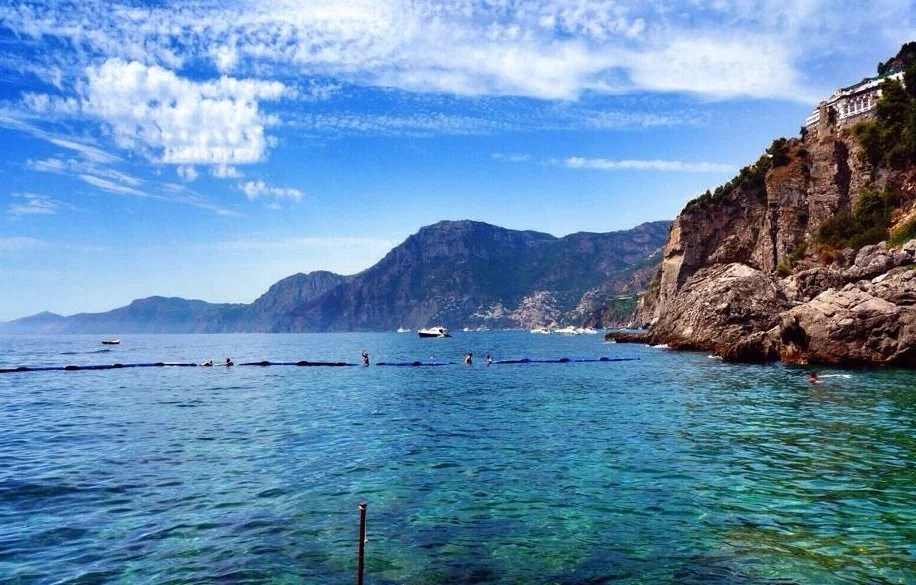
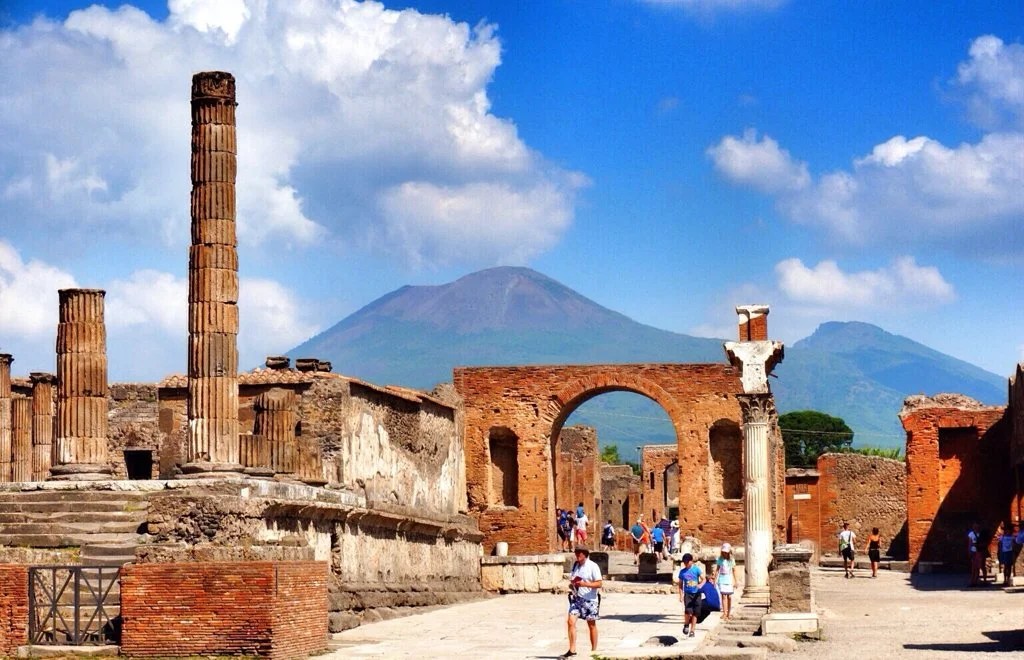
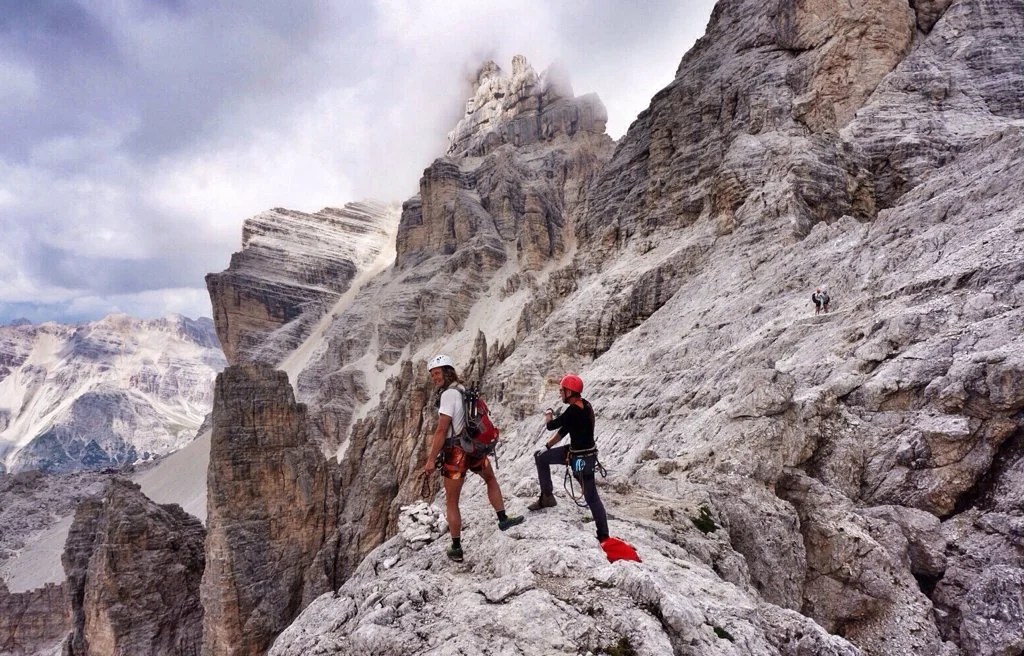
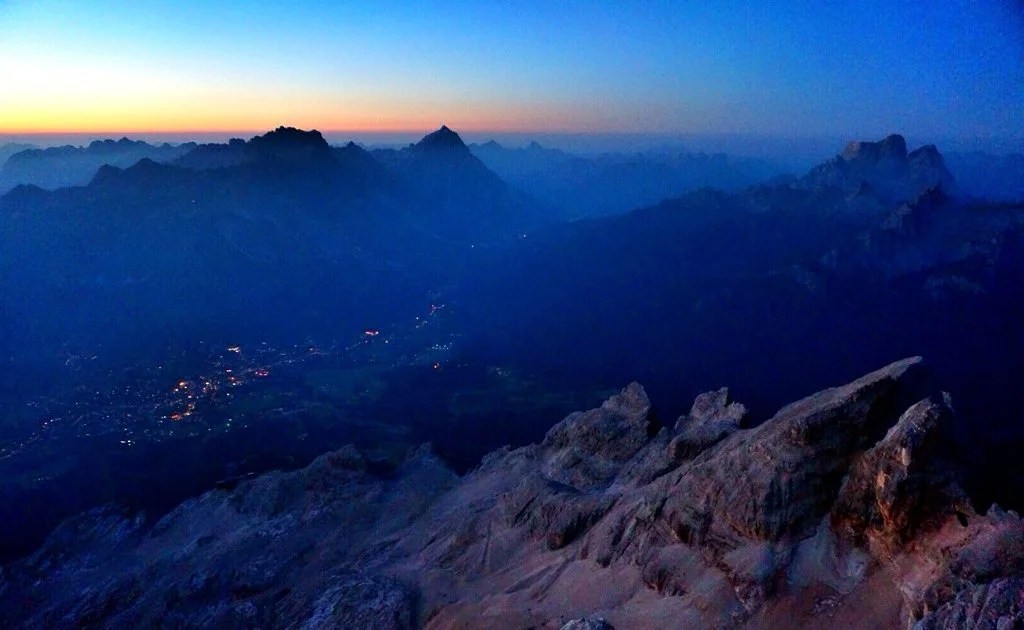
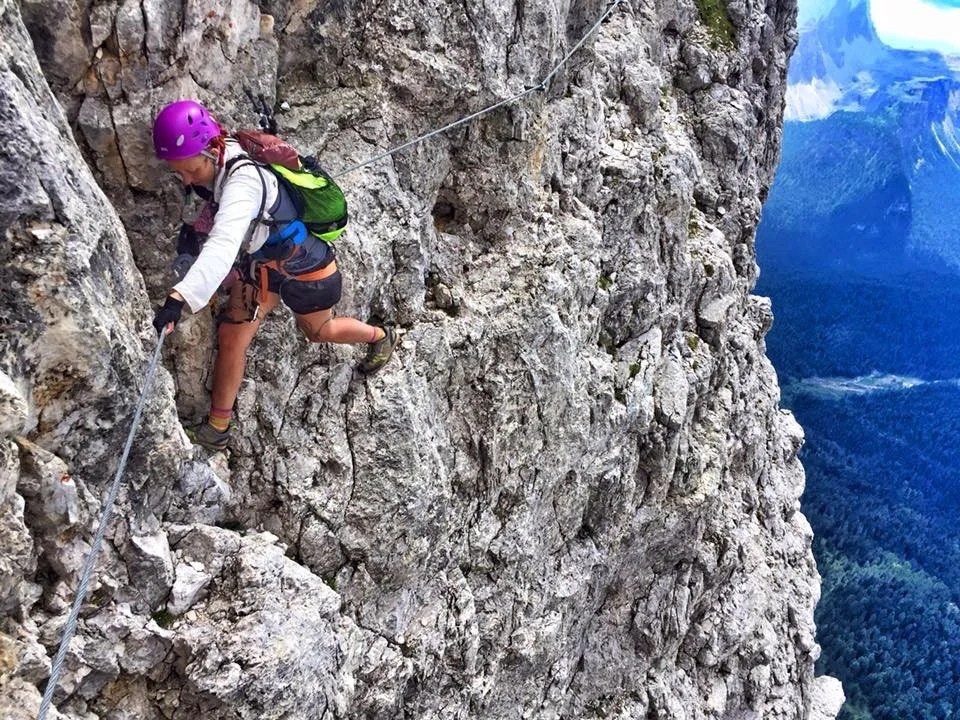
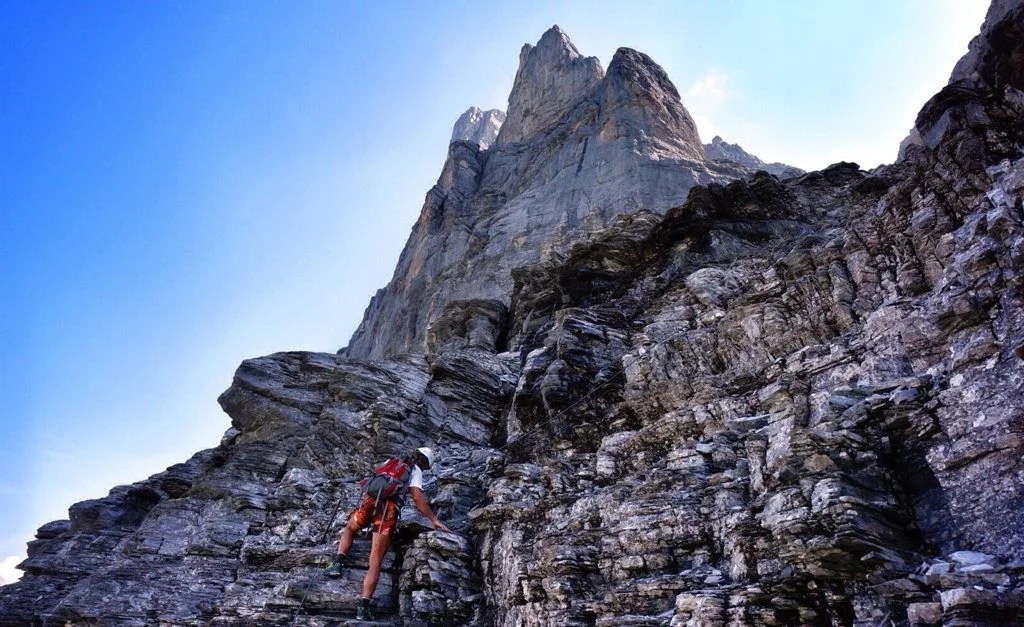
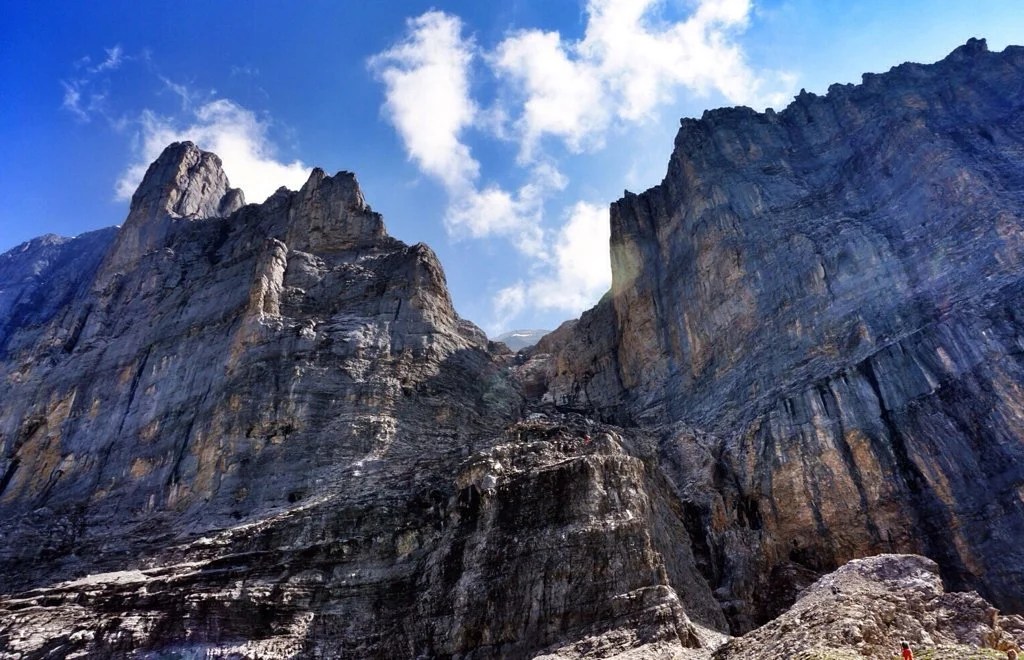
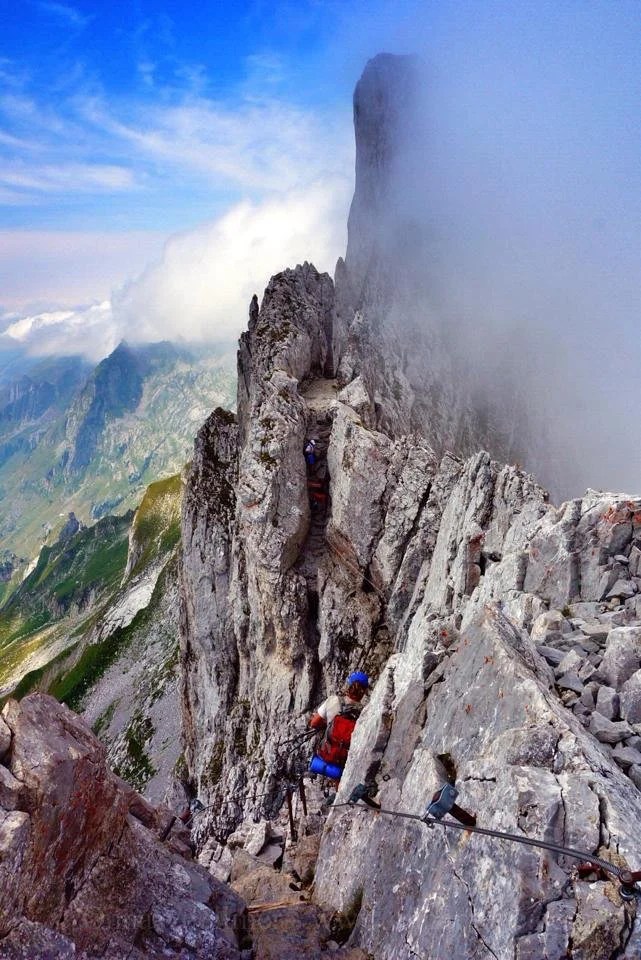
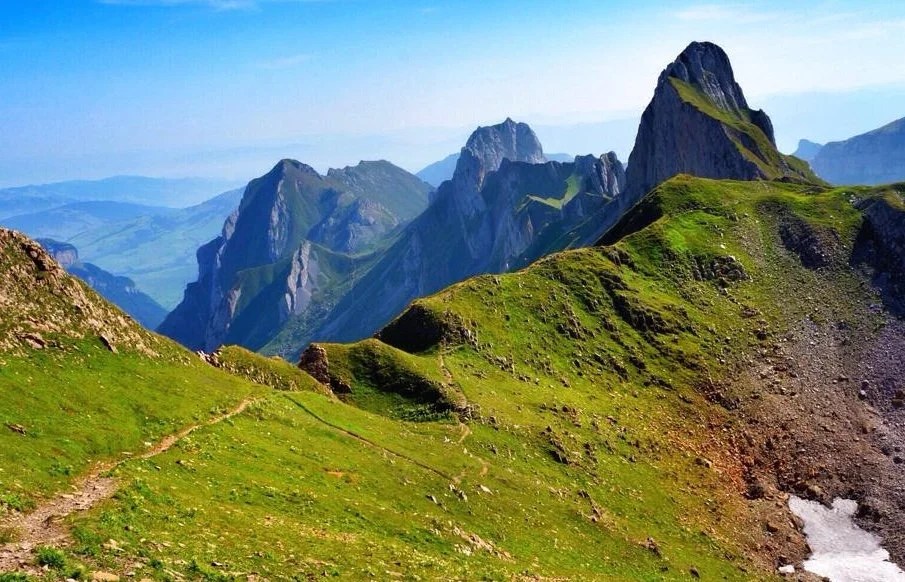
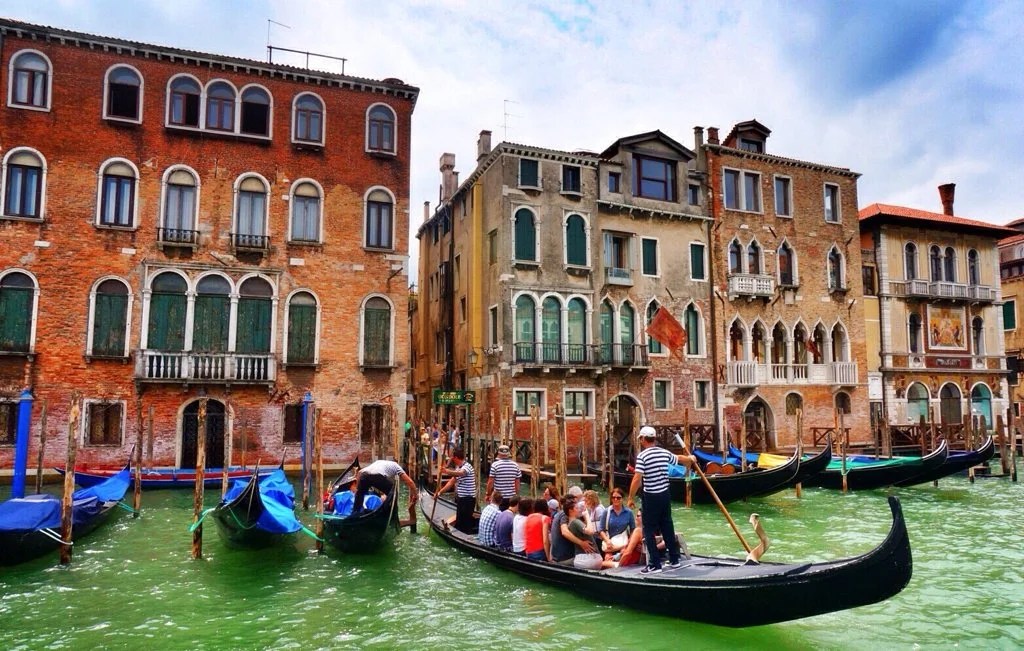
    I pull on the door. It does not open. It’s a glass door not too different from the ones on the Italian trains. Maybe it slides. I try to slide it open. It does not open. There’s a button on the wall like the ones on some of the trains that opens some of those doors. I push the button. The door still doesn’t open. There is a lady at the counter. I ask her how to open the door. She looks at me a little perplexed, and then pushes the door open for me. I smile, feeling once again like a two year trying to make sense of the world all over again. I walk down the stairs to the toilets. I approach the doors hesitantly, guessing a bit at the labels on the doors. I enter one. A women smiles. I go into the toilet room, pee, and again, hesitantly, look around for how to flush. All the toilets have been different, some a push button on the wall, some a push button on the toilet, some a pull string, some a foot pedal. There have been so many ways and I’m hesitant because most of these toilet rooms also have an emergency alarm, sometimes it’s a pull string and sometimes it’s a button. I return upstairs to our dining table, feeling just a little like an idiot. I tell Neon my story of how I embarrassed myself again trying to make my way to the toilet. He smiles. Moments like these make me so aware of how much I do that is simply run by familiarity on “autopilot”.  Perhaps disabling our “autopilot” is among the many reasons why traveling and doing new things outside our comfort zones is such a good thing. To truly explore the human consciousness we must move beyond what we know, move beyond our early training, and push the boundaries of our personal comfort zones. Doing this is where I’ve learned the most about myself, about humanity, and about nature’s rhythms.It is very easy to become conditioned to move through our own little world, operating on preconceived notions about the rest of the world. So much so that we forget how to truly be present and how to see with an open mind and an open heart. Doing new things is a great reminder that there are so many ways to move through this world. And doing things outside our comfort zones encourages “autopilot” to shutdown and awakens “self” to be present so that we might actually see with an open mind and an open heart.This is the longest I have been abroad for and I wonder how I will see things when I return home. In my last post we had just arrived in Cortina d’Ampezzo. We had a lazy afternoon talking about all we were going to do here. We woke to pouring rain and a week of rain in the forecast. Our plans quickly changed and we ventured south to Venice, Piano di Sorrento, Pompeii, and the Amalfi Coast.We walked the streets of Venice, tourists thick like clouds of tropical mosquitoes. We found peace and lost treasures in the quiet of the side streets. We wandered through little cafés selling gelato, coffee, and sandwiches. I mused at all the shops selling masks and handbags, and read all the labels of origin on the fruits and vegetables in the street markets. We emerged to a sea of tourists in San Marco square and quickly retreated back to our hotel on the mainland. It was, with all the tourists (us included), a bit of a Disney World scene, but still there is something special and magical about Venice.We ventured further south to Sorrento. It was hot and humid. Citrus trees lined the neighborhood streets. Arbors and trellises supported grape and kiwi vines. The city and surrounding area was an edible paradise growing lemons, oranges, plums, grapes, olives, tomatoes, and so much more. We spent a day riding a little scooter around the Amalfi coast on tight curvy streets, squeezing between cars and buses. We walked through the streets of Pompeii. I felt no life here. The buildings were dead, just exhibits in a museum. I thought I would feel more, the way I did with the old buildings in Northern Italy. But the stories here were quiet; their history had become simple words in museum pamphlet.We returned to Cortina in pouring rain and another week of rain in the forecast. We woke to sunshine, gathered our gear and decided we would do the via ferrata we had done here ten years ago again. We started much lower on the route than we had started before. Hours passed as we climbed up the route toward the summit cable car. Finally we saw the summit of Tofana di Mezzo (Middle Tofana). We had fifteen minutes until the last cable car departed. We continued, scrambling up fourth class trail to the top. It was clear now that we still had a ways to go and would not make the last cable car down. When we reached the summit we decided to try a rough trail down a steep scree chute in hopes that we would not have to bivy on the summit. We hiked a long way down. The trail got narrow atop a steep scree cliff. I was not up for this. We turned around and returned back to the cable car station. It was late now and getting colder. Neon walked ahead. I stopped to watch the clouds. The setting sun was illuminating just the upper edges. “That’s their silver lining”, I thought. I smiled. When I got to the cable car station Neon hollered up at me in a happy voice, “there are beds and blankets in here for us.” I smiled again. Yes, sometimes clouds really do have silver linings. We woke to a beautiful sunrise with the summit of middle Tofana all to our selves.We took the first cable car down and headed off to Switzerland to visit a friend. The weather was beautiful. We spent three days hiking in the Appenzell Alps, exhausted and happy to have the opportunity. A few days later we climbed the Eiger-Rotstock via ferrata on the western flanks of the Eiger. It was a bit dreamy, like laying hands on a god. Neon hurt his hand on the way down. I was out of Arnica and suggested that we get more. Neon said we could stop at a pharmacy. I told him that no regular pharmacy would carry Arnica, that we’d have to find a health food store. The pharmacies I’ve been to in Europe are actually just pharmacies, not mostly convenience stores with a pharmacy in the back like ours in the US. We walked in a Neon asked if they had Arnica. The pharmacist said yes and then went behind the counter and came back with a tiny vile full of little pills and gave us instructions on their use. She brought us arnica gel and arnica salve saying that the gel was more cooling and the salve was more warming. I was speechless. Sure, you can get Arnica in the US, but it can be difficult to find, it is not taken seriously by those in the medical profession, and it certainly does not come with a pharmacist’s instructions for its use.On our last day we went to the art museum in Bern, the capital of Switzerland. The exhibit we saw included a work by one of my favorite artists, Marina Abramovic. It was a large pair of shoes made of amethyst, titled “Shoes for Departure.” Later I looked up the work on the internet. In past exhibitions their had been instructions for the public to enter the shoes with bare feet, eyes closed, motionless, depart, time: limitless. The interview with Marina I found on the internet stated that “They’re objects that the public can perform, like props. When they trigger their own experience the object [shoes] can be removed. … People ask me, Can we really walk on a ladder with knives? Of course we can, it depends on our state of consciousness. If you put this ladder with knives in front of a shaman in Brazil, he will walk on it. It’s our problem that we can’t. In a way it’s to remind you that you can push your limits. …”I’m sitting in a train now on our way back to Italy wondering how I have pushed my limits, what these weeks have taught me, and how they have changed me… Time will tell, but I know that I am changed.veniceamalfi-coastvenice-texturesorrento-beachpompaitofanasunrise-tofanaclimbing-tofanaeiger-rotstockeiger-rotstock-via-ferrataappenzel-alpsappenzel-alps-2_ Save
  • Italy 2: A Glimpse of Italian Agriculture: A Tour of Northern Italy by Bus and Train

    Italy 2: A Glimpse of Italian Agriculture: A Tour of Northern Italy by Bus and Train

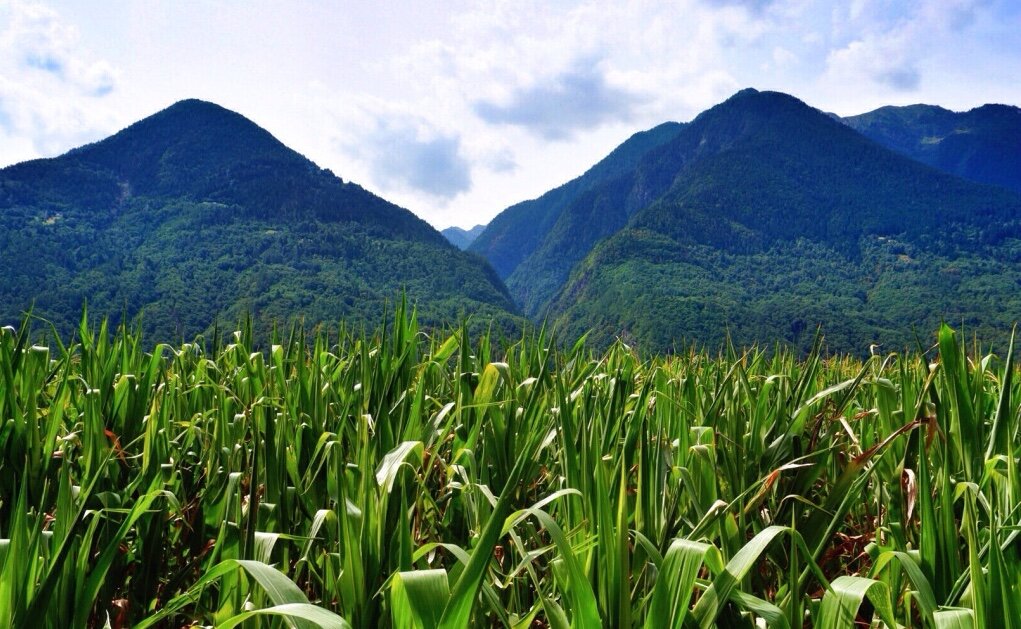
    Yesterday as we were sitting on our fourth train, after too many buses to remember, and the second day of this, the story I wanted to share with you was so vivid and so important in my thoughts, but today as I lie in our tent in Cortina it’s all just a blur. So many things here are familiar and yet everything commands my attention as if I am a two year old trying to make sense out of the world all over again.I have forgotten how many days it has been now. We left Foppolo and hiked over Dordona Pass on the Gran Via Orobie Senterio. There are more trees now. We did not see any more sheep or goat herders, but on our way up to Valbona Pass we passed a group of hunters. As we reached the top of Valbona Pass we saw a large herd of wild Chamois goats. Here is where we began our 8,000 foot descent down to the Adda River valley. We passed a herd of cows and a small herd of goats and then a large home with a sign for cheese.It was the next afternoon before we made it down to the river valley. The first town we came to was Cedrasco. There was a chapel. We passed two public fountains with water gushing out a pipe into a small basin. I had the urge to fill my water bottles, but they were already full. We passed by several kitchen gardens, some small, some large. I saw beans, tomatoes, squash, kiwi, and some greens. Some of the buildings looked very old and others new or restored. Some buildings were so old that I wanted to walk up and touch them the way I would an old, large tree. I found myself stopping; I felt such a pull, but I refrained from walking up and greeting the buildings. I ran my hand along a few as I passed by. The feelings were overpowering, my emotions overwhelmed… We hurried through the town taking a bike path to connect to the other side of the river to catch a train. On one side of the bike path there were large trees growing next to the river and on the other side of the bike path there were corn plants, acres and acres of corn, right in town. We crossed the river on a bridge into the town of Berbenno. We caught a bus to another town where we could catch a train to Tirano. This began our public transportation extravaganza across the mountains to Cortina. It took four trains, five buses, a taxi, a hotel, a sleaze camp, and the better part of three days.On our train ride through the Adda River Valley I saw kitchen gardens here and there, more corn, grapes on the hillsides, and then as we got further eastward, apple trees, acres and acres of apples. They were trimmed short and narrow, maybe 15 feet high and only a few feet wide. They were planted in fields, between houses, right up to the roads, beside businesses, so many little apple trees, everywhere. I love agriculture like this, integrated into life, into the towns, living with the food that makes the community and feeds the soul.The idea of growing food where you can see it has always appealed to me; where people are invested in it and care for the environment that it grows in really seems to me to be the only sustainable way to go about it. When we don’t see our food then price becomes the only measure of productivity. Laws develop that make it illegal to know where food comes from and illegal to photograph food manufacturing processes. Big companies fight labeling, patent seeds, and hold the consumer and small farmer liable for following these laws that go against thousands of years of agriculture. Human & environmental health and community become secondary, or in the case of conventional US agriculture, completely non-existent in the equation. Conventional US agriculture is a crime against humanity and against nature. I know many of you will disagree with that statement, but it is what I have studied for most of my adult life. And my passion for the garden began as soon as I learned to crawl and could make my way out to the strawberry patch in my mother’s garden.We arrived in Tirano and found the least expensive hotel. The pamphlet in our room stated that it has been run by the same family for four generations. Places of interest, listed on the free map of Tirano, included a building from the tenth century that had been expanded in the sixteenth and seventeenth centuries, and restored in 2001, another building from the fifteenth century with an interior painted with frescoes, and the list continued… I looked out across the veranda window. Each building had a personality, some were fully restored with fancy details, some were showing their age with old shutters and flaking paint revealing the stones beneath. Further out I saw acres of grapes on the hillsides. And through a valley between mountain ridges I was looking at Switzerland.We left early the next morning to catch a bus to Bormio. The architecture began to change to more of a Bavarian style. The buildings were still what looked like parged and painted stone, but they were finished with wood below the eaves. The eaves were decorated with carved wood and many of the balconies were also wood. More flower baskets hung from the windows and balconies.From Bormio we took a taxi to the top of Stelvio pass. The road up to the pass was crazy, switchback after switchback. It was hardly wide enough for two cars to squeeze past each other, and in some places it wasn’t even that wide. There were more bicycles riding up than cars. There were tunnels one lane wide that you had to honk all the way through to let the cars on the other side know you’re coming. We gained ~10,000 elevation by the time we reached the top of the pass.It was a zoo at the top, several hotels, ski lifts (and people were skiing too), shops with T-shirts for sale, trinkets, food stands, and people everywhere. Stelvio pass is very near the border with Switzerland and it is a border of South Tyrol, an autonomous region of Italy, where the people all speak German. We caught a bus down the other side of the pass to the town of Stilfs. There were forty-seven switchbacks down this side of the pass, more cars, more bicycles, motorcycles and campers on their up and down the pass, and the road was just as narrow and steep as the other side.From Stilfs we caught another bus, and eventually a train, and another, and another. We traveled through the Aldige River valley, the Elsarco River valley, and another river valley. As we made our way east to Dobbiaco I saw more apple trees, grapes, and corn. Like the Adda River valley, these too were planted right in town, between houses, beside businesses, and along side bike paths. I saw castles on hillsides, large aqueducts coming down the hillsides to the towns, and steep switchback roads ascending the mountain sides to houses and little towns higher up.From Diobbaco we could see Tre Cime, the three summits. Diobbaco was filled with bicyclists and people with trekking poles in their day packs. We arrived late. We had dinner at a pizzeria in one of the many hotels in town. As we ate, I thought about the different foods I’ve eaten and the food I have seen available in the supermarkets here. The markets, even the super markets, are small. In some ways having a more limited selection than the US, but in other ways a more varied selection. At the restaurants, salads are not just romaine, spinach, or iceberg lettuce. Here, what I’ve seen, and not just at the expensive places, salads are made of many things: arugula, chicory, cress, romaine, beans, carrots, and a few things I don’t know. It is the same in the supermarkets; the produce selection is smaller than what you might typically find in the US, but it is filled with many different fruits and vegetables. I’ve taken note of the labels on the produce as I shop at the markets here, and so far what I’ve seen shows the origin of the produce as Italy. Olives, wine, cheese, bread, grapes, tomatoes, chocolate, and canned fish are all very inexpensive. Beef is expensive. Ham, in various preparations, is widely available. And it is nearly impossible to eat vegan in a restaurant. I have not seen the range of modern vegetable oils in processed foods here like in the US. What I have seen here is typically either olive oil or palm oil listed in the ingredients. The market aisles are not filled with potato chips, candy, and soda, though there is some. I’ve seen very little candy and chips in the markets, but more available at train stations and in vending machines. The coffee is good here, and very affordable. Cafés and bars seem universally the same, coffee by morning and liquor by night, though no one here seems much concerned with when you drink either. I could go on and on about the food here, and so many other details, but I’m told that this post is already rather long so I’ll refrain for now…building-in-cedrascoadda-riverbuikding-in-tiranostreet-in-tiranodoor-in-tiranostelvio-pass_

  • Italy 1: Senterio delle Orobie Occidentali

    Italy 1: Senterio delle Orobie Occidentali

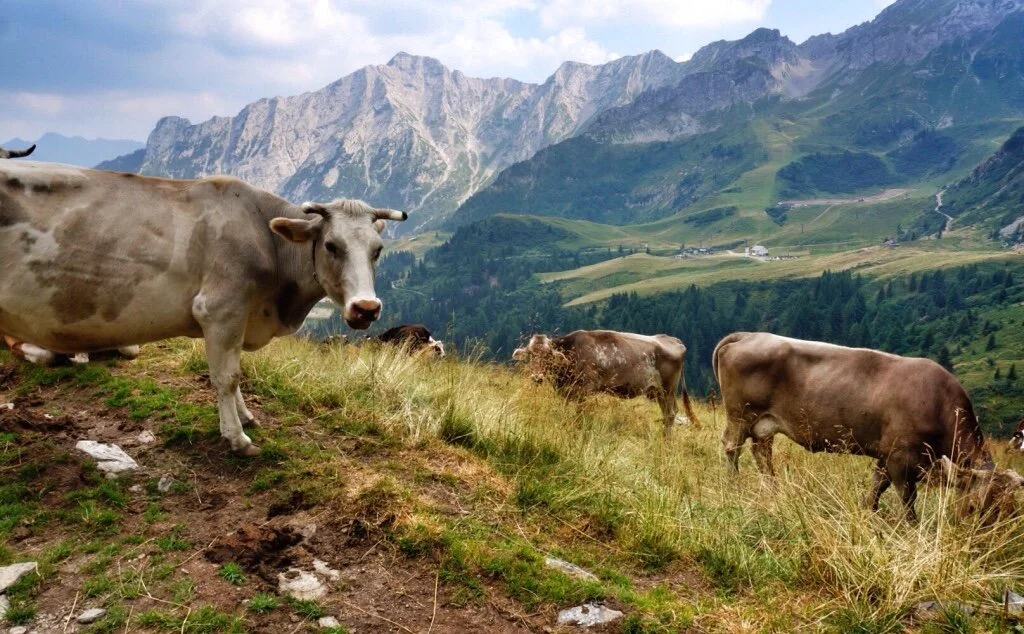
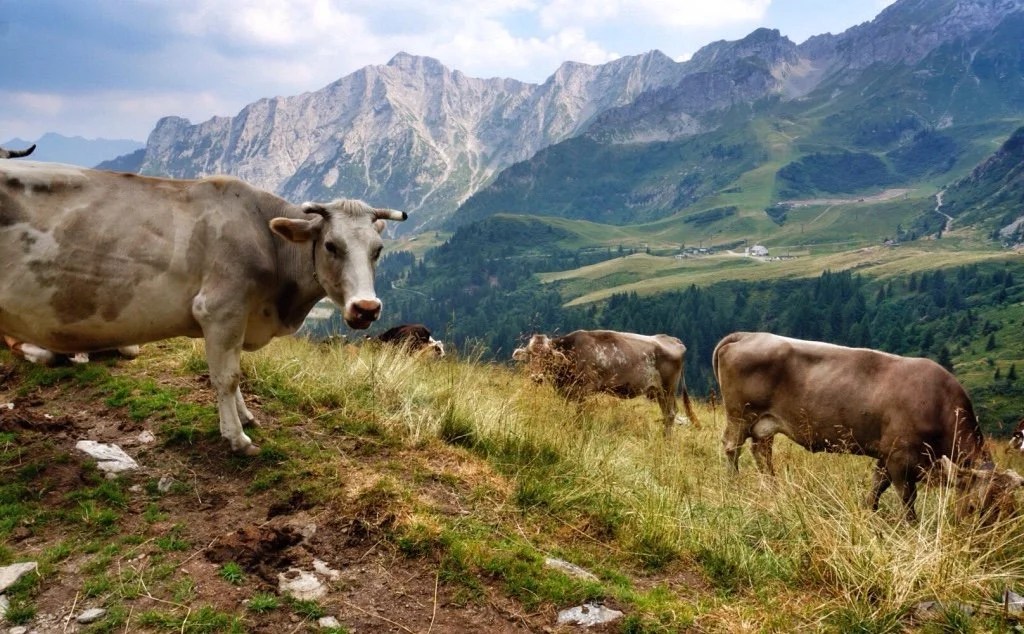
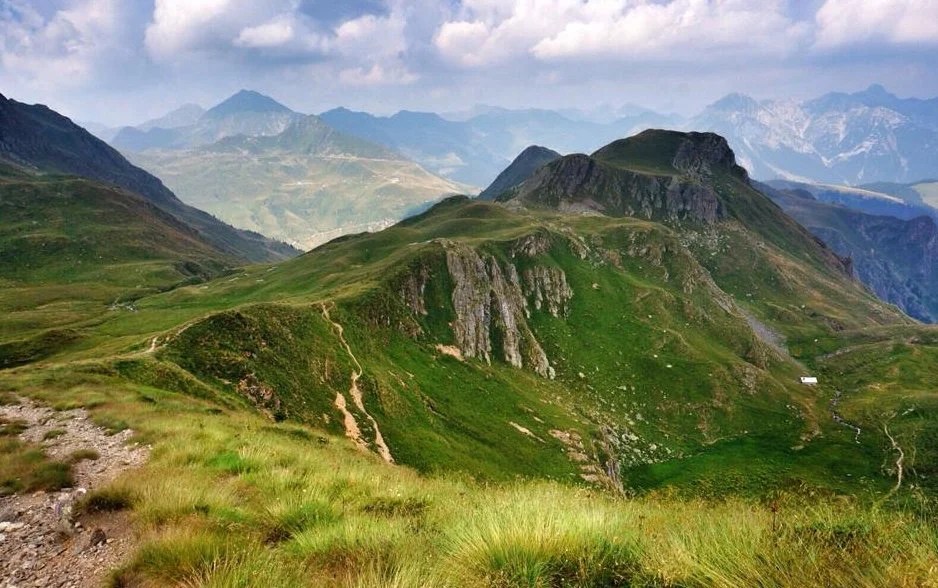
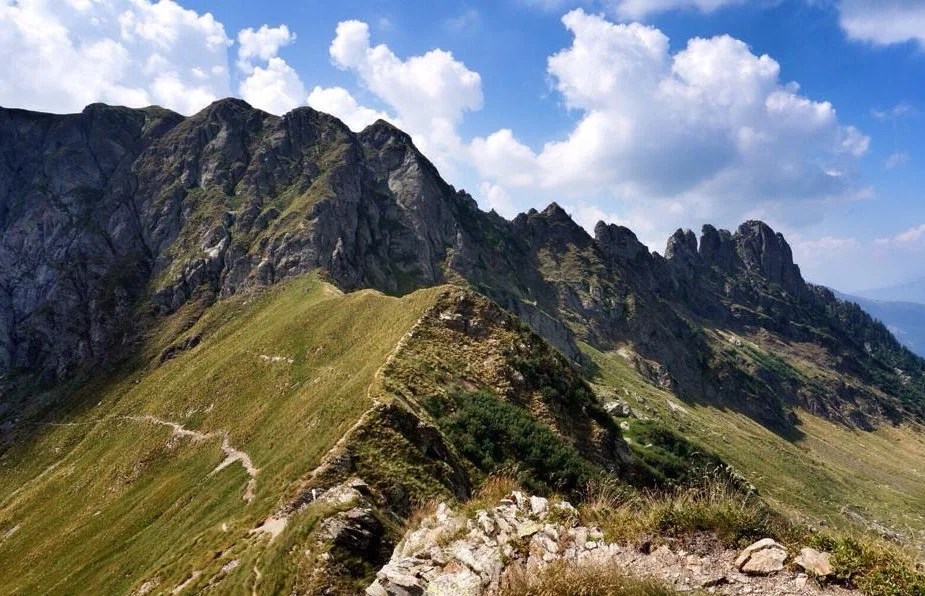
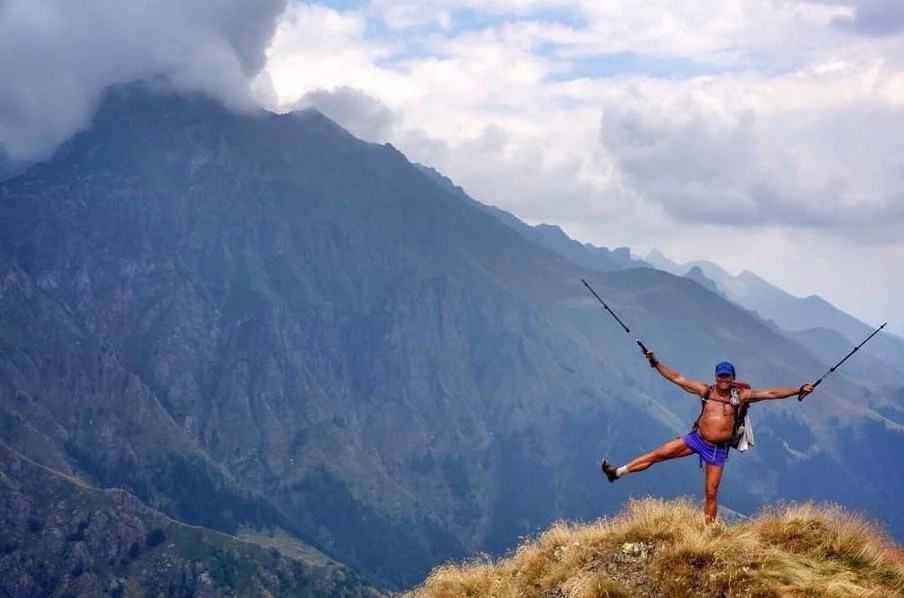
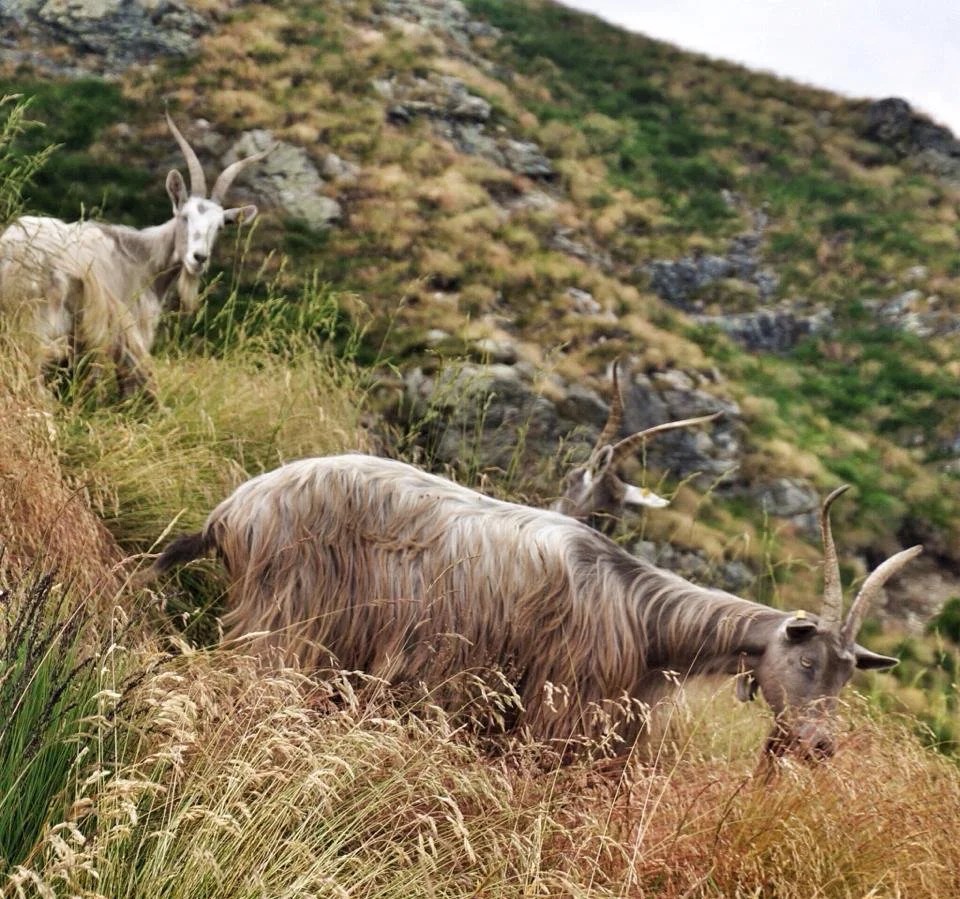
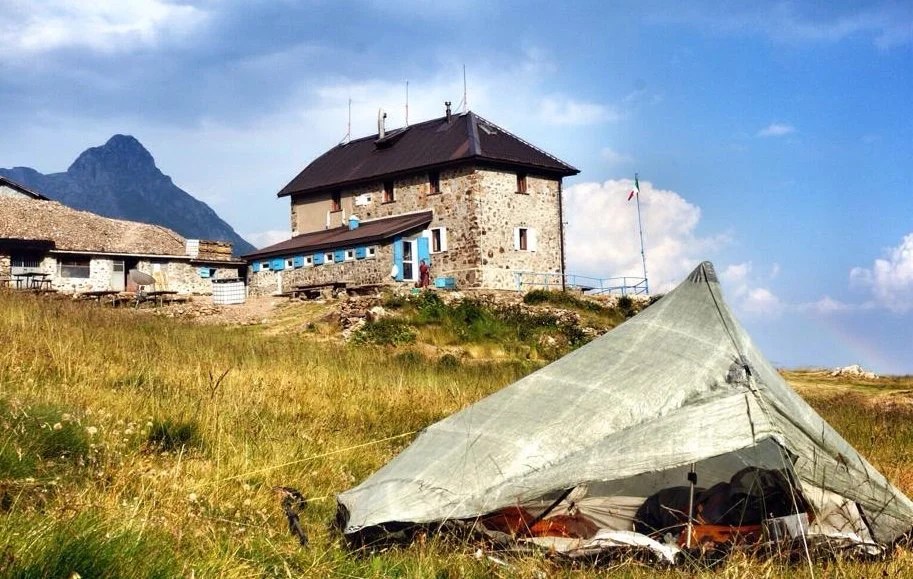
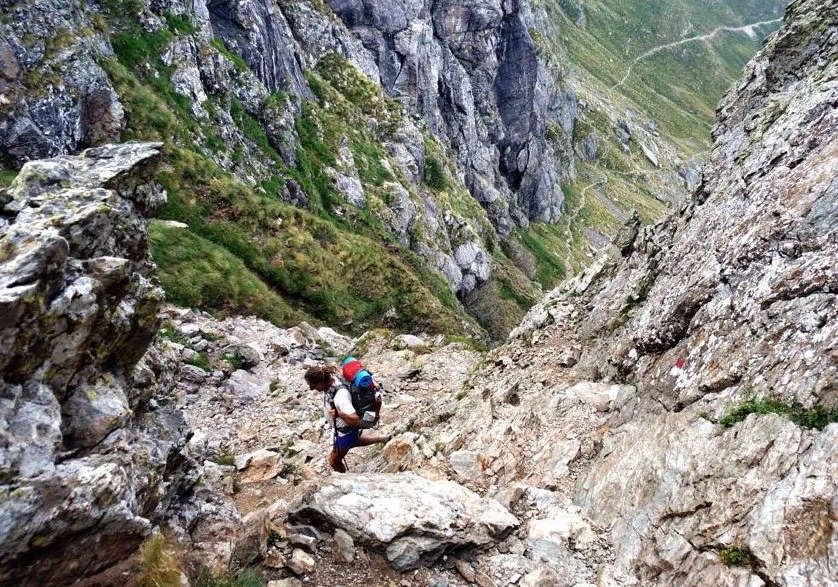
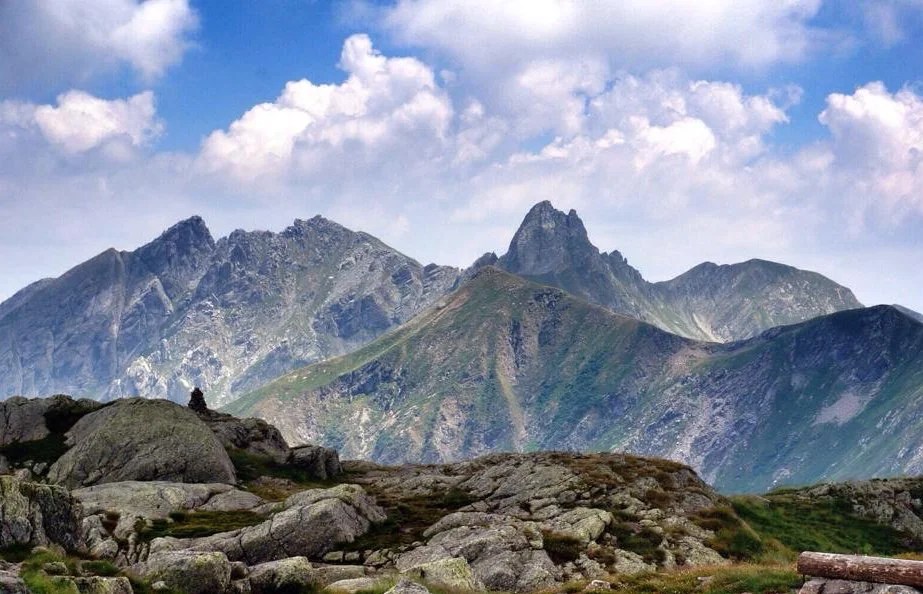
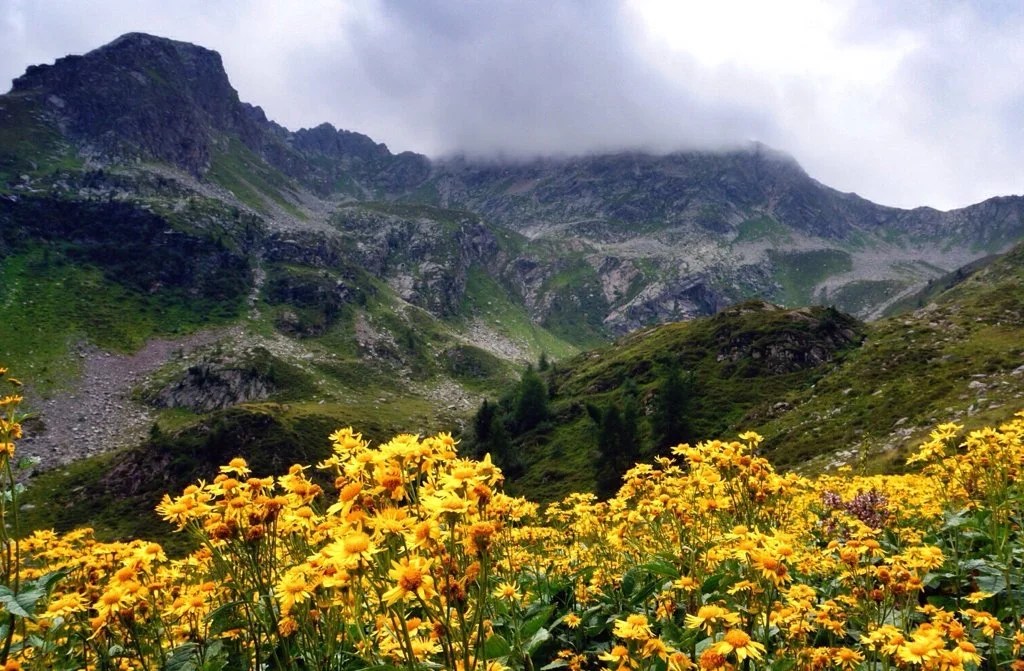
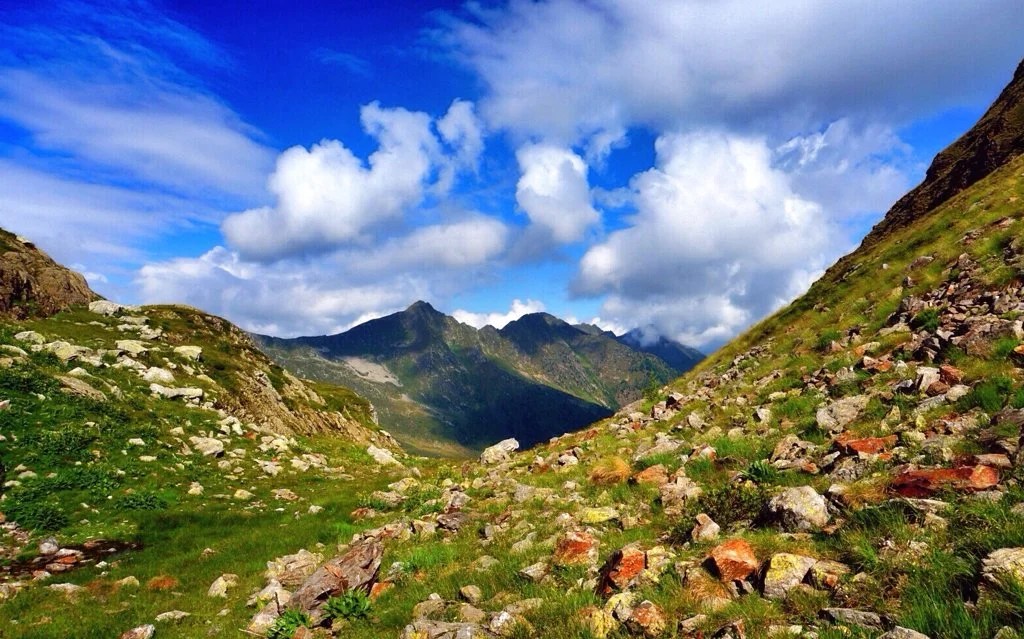
    I’m lying in a hotel bed in Foppolo listening to the sound of cow bells outside the veranda window. My thoughts pause for a moment to wonder why I immediately associate this sound with cow bells as opposed to goat or sheep bells. It has only been four days that we have been walking the Senterio delle Orobie Occidentali through the Bergamo Alps, the sound of goat and sheep bells ringing throughout, like beautifully designed wind chimes. My thoughts wander for a moment to remember a night spent near the North Dakota state highpoint listening to sheep bleat through the night. The rural sounds of small animal groups delights my senses, something primal rises within. The rural landscape is rich with smells and scenic wonders, some wild, and others, like here, so rugged, and yet humanized… I look around, and perhaps I’m reading in too much, but I see scars from thousands of years of changing trails, humans and animals, crisscrossing the mountainsides, so steep I believe the humans to be part goat. Is it as any other place that has been occupied for so long, were there once more trees? Were these mountainsides once more forested?Our journey here began when we left Milano on a train a week ago to reach the outskirts of a town not far from Lake Como, Oggiono. It was 103 deg F. We hiked eastward toward Lecco, over steep hillsides, past neighborhood kitchen gardens full of corn, squash, and tomatoes, and through small towns and villages. We hiked past Ello, a very small town, and later came upon the small village of Fagina, so small that I only saw three people, two large vegetable gardens and a sign for beef agriculture, but only a handful of cows. We stopped to get water from a fountain with a sign reading “aqua non potable”. There was a bucket sitting next to it full of soaking clothes. I smiled because this too is how I wash my clothes at our homestead in Arizona. Later we walked through the town of Olginate, most of which looked like an abandoned amusement park completely tagged with graffiti except for a well kept chapel. We descended into the town of Garlata to a campground, Riviera Camping Village. I was hot and tired. The camp host spoke English and led us to a grassy spot next to the lake. We stayed two nights. The camp cafe was closed on our last morning and our neighbors offered us coffee. I really only speak English, but Neon’s first language was Spanish, then English, then German and French (he also seems to know a good selection of words in several other languages) so he can hold a conversation, at least a little bit with most anyone we meet. And since I know his stories so well I can usually follow along a little in the conversation. After coffee we walked into Lecco to catch a bus to Barzio. We made it just as the bus pulled in, one of the few that runs on Sunday. After lunch in Barzio we walked to the market, but it had closed at noon. The hotels were all full and we don’t really have a budget for hotels anyhow so we hiked out of town to cowboy camp at the ski lift. The next day we returned to Barzio to the market, selected food for four days of hiking and then returned to the ski lift where we ascended to the mountains to hike on the Senterio delle Orobie Occidentali in the Bergamo Alps.The landscape in the Bergamo Alps is dramatic, steep, sculpted, jagged mountains and green hillsides. It is full of stone farmhouses, herds of goats and sheep with bells around their necks, a few cows, and a culture that is older than anything I have ever known. The farmers that roam these mountainsides know place in a way that few Americans have hardly witnessed, and none, or very few, have ever known. I feel privileged to be here, to see this, but as always I feel a loss, a yearning to feel, even if perhaps for only a moment, what it is to know place connected to so much time and history as I am witnessing here.We spent the afternoon walking the steep mountainsides and arrived at Rifugio Grassi a few hours before dinner. There were two children outside the Rifugio running back and forth over the hillside, barefoot, tugging at a blanket, laughing, across the grass and over the rocks. Grandma was watching them as she carried a younger one on her back. We spoke to the mom inside to inquire about camping and dinner. She spoke English. We asked about the next section of trail since it was marked differently on our map, inquiring as to how dangerous it might be. The lady smiled and said “Oh no, it’s not dangerous. You only have to hang from your hands in a few places. It’s a trail in the mountains at high altitude, but it’s not dangerous.” Hmm, I looked around, there was beer and wine and chocolate for sale.We set up camp and came back for dinner. Several courses were served. I asked about what looked like medicinal tinctures in the window since I recognized the arnica flowers in one of the jars. Some of them were medicinal, but others were grappa soaking with herbs, cherry pits, or tree needles and cones for added flavor. A few people spoke English and I listened intently to Neon’s stories in Italian, trying to pick out the parts I know.We left the next morning after coffee. As we walked down the trail I anticipated the “oh no, it’s not dangerous, you only have to hang from your hands in a few places” part that we would encounter. After a bit we hiked across a narrow ridge, dropping off on both sides, before we arrived at the cables where we were to traverse across the outside of the ridge. My nerves settled, rock, I love rock. This, this is ok! We hiked on, and then came the part, that for me, was not ok, steep, very steep, traversing on very thin trail, perhaps a single foot wide, dropping off thousands of feet on one side, interspersed with erosion and wet grass. The mind is a funny thing, or perhaps it’s the body, you can try to be rational, but panic has a course all it’s own. I’ve learned to work with this, as I have many fears, though perhaps not entirely gracefully. It was a long morning as I coached my breathing and talked myself across the eroded, steep, thin, hardly trail. It finally mellowed after a couple of hours, my nerves settled, and the “trail” turned to a kind of steep that was much more comfortable for me. My muscles were tired and the afternoon hot. We descended to a meadow before reaching Rifugio San Marco. We decided to camp. A creek came into view. I dropped my stuff, dug out some fresh clothes, removed the sweat soaked ones, and slid into the creek, literally as the rocks were very slippery. A herd of goats wandered up the trail from a nearby farmhouse, their bells echoing against the hills. Jäger, cheese, bread, bells, and freshly bathed, the day came to an exquisite end.We sipped on cappuccino in the morning at Rifugio San Marco before heading up to the pass. The trail from the Rifugio looked like it might have been the old road over the pass. Stones were laid flat in a width that could accommodate a cart and the side bank was held with large rectangular stones. After several switchbacks we approached Passo San Marco, a place another hiker had told us was the second line of defense in World War I. Near the top I noticed faces carved in the stones along the trail. They looked to be female faces. We hiked on. There was a large cross and a Virgin Mary sculpture with a plaque. A bicyclist road by, pausing briefly to motion a cross in front of him and then kissing his fingertips. There was a food truck that was selling cheese, salami, blueberries, and a few other things. A few feet down the road was a stone building with a little shed on the side that was also selling cheese. I could hear farmers herding cows and goats, across the valley, bells echoing. Almost everywhere I could hear these bells echoing. They would fade as we crossed over one hillside, only to get louder as we approached another. The stone farmhouses began to get smaller as we hiked eastward, instead of two story large houses most, now, were small, what looked like single room stone dwellings. Some had newer metal roofs and stone walls with mortar, while some of the older, dry-stack stone ones still had stacked stone roofs. The smaller dwellings were closer together on the hillsides, perhaps a hundred acres apart. I could see piles of stones in the grass as we hiked and stone fence enclosures, some near dwellings and some far away from the dwellings. Occasionally we came upon one of these dwellings that was inhabited by a person or two, with goats, sheep, or cows nearby. There was no road access out here, only trails. I wondered if they lived here all year round or if they only lived here during the summer months to have more grazing for the animals. We camped near Tortano Pass. There were two shepherds and a couple of dogs herding a few hundred sheep down from the mountainside. The bells echoed through the night, sheep bleating …mountain music to dream by.The sheep were still there in the morning. We climbed up and over two more passes before descending to Foppolo. As I listen to the cow bells outside the veranda window I’m thinking that perhaps the cows, sheep, and goats wear different size bells so the farmers can tell where their different animal herds are in the mountains.bergamo-alps-1bergamo-alps-2bergamo-alps-3domestic-goatsrufugio-grassi-campsteeper-than-it-looksview-refugio-berninivalbona-passvalbona-pass-2_Save