Ruta de Los Seis Miles, Norte

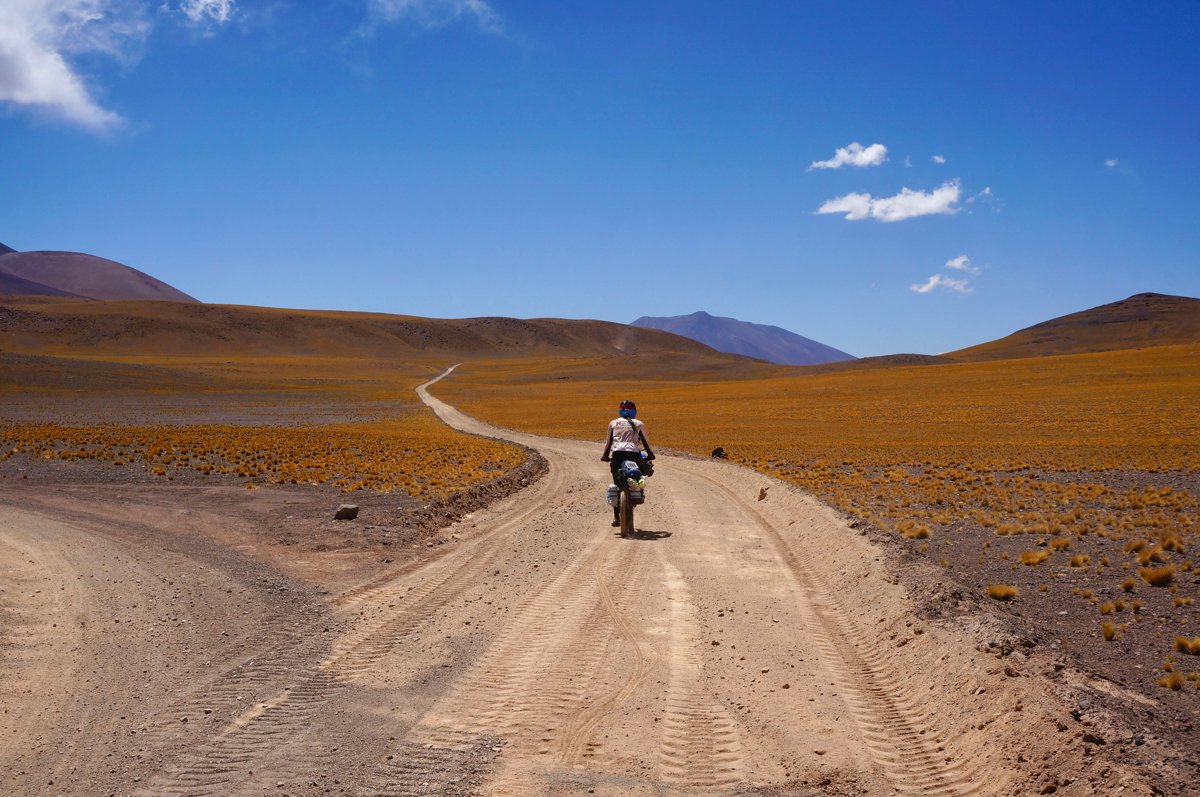
From Iglesia Vega Socompa we were finally heading south on the original Ruta Seis Miles Norte bikepacking route. We had backtracked several kilometers north to get to here, as close to Chile as we could on the original route. The Ruta Seis Miles Norte bikepacking route was recently rerouted due to the border crossing at Socompa not having enough staff to process non-essential border crossings.


After our late start the previous day we decided to start at daybreak today. The morning started out colder than we had anticipated, dropping to 27° F (-3° C) at Laguna Socompa. We quickly learned that early starts equal unnecessary freezing. By afternoon we had climbed 2600 feet, reaching 14,347 feet, before dropping into the next valley, near Llullaillaco.

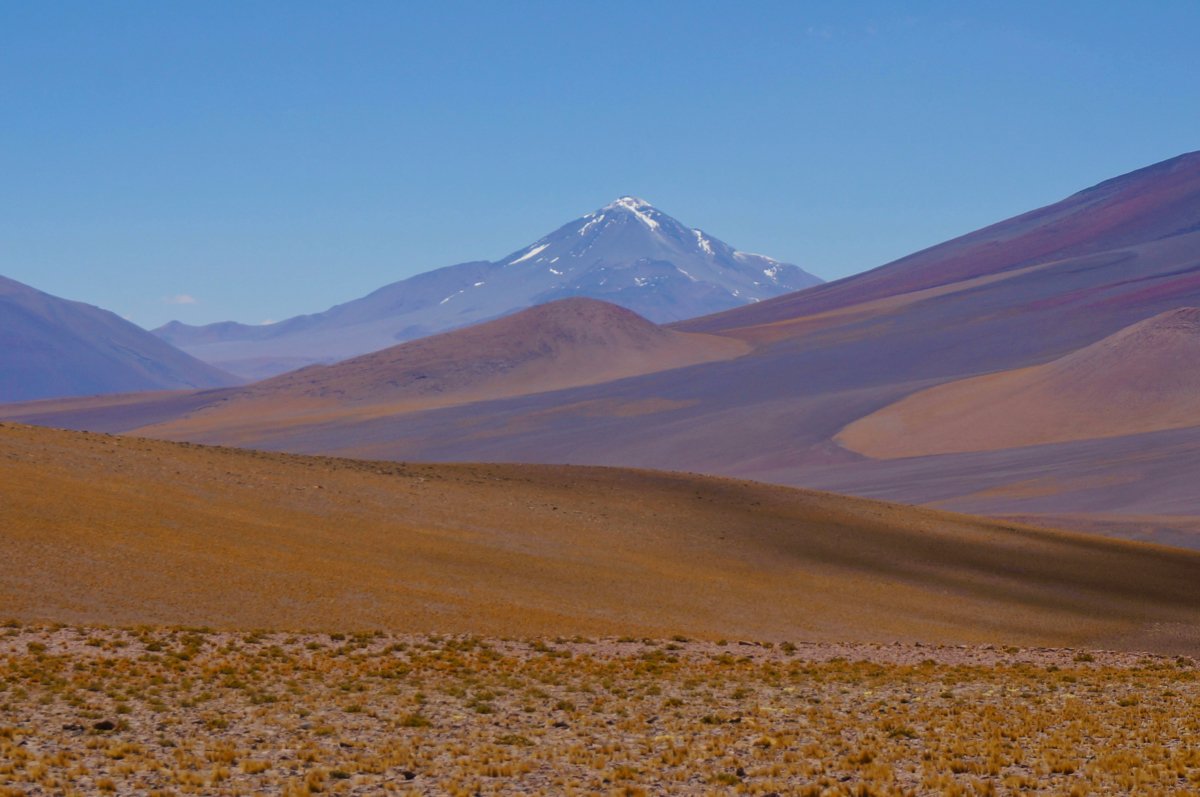
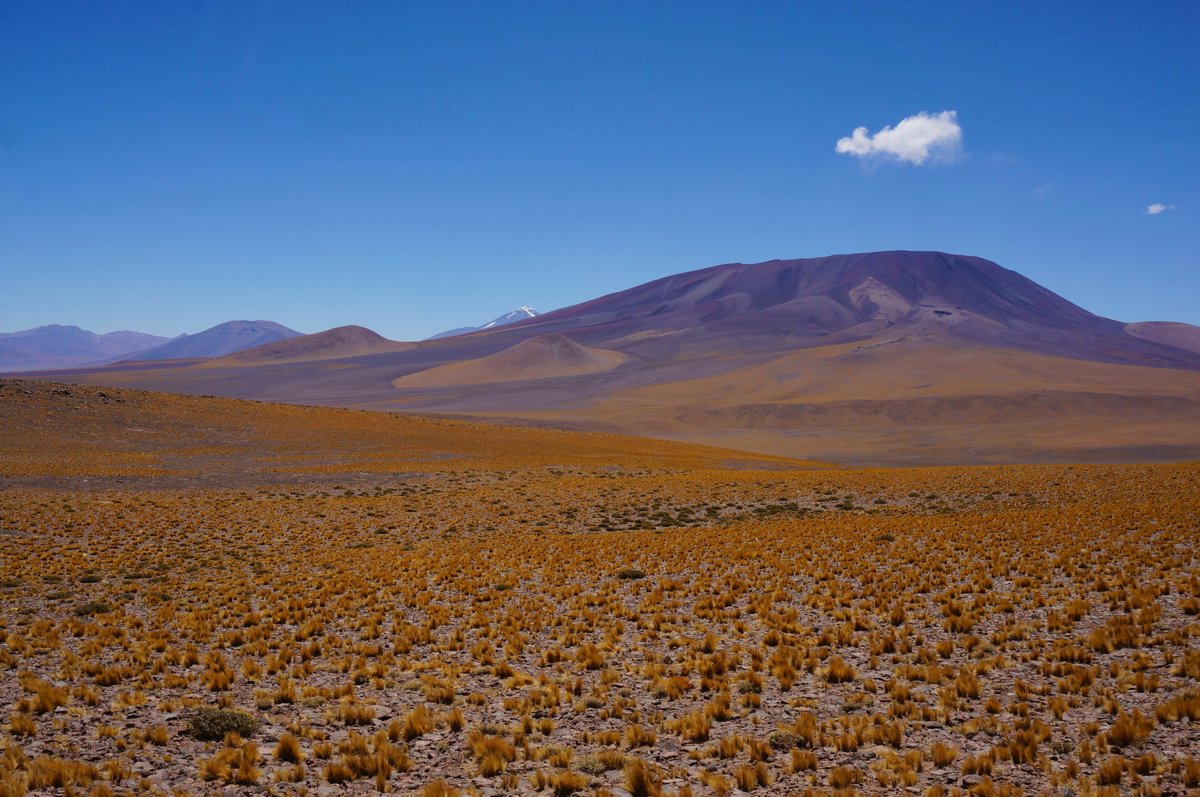
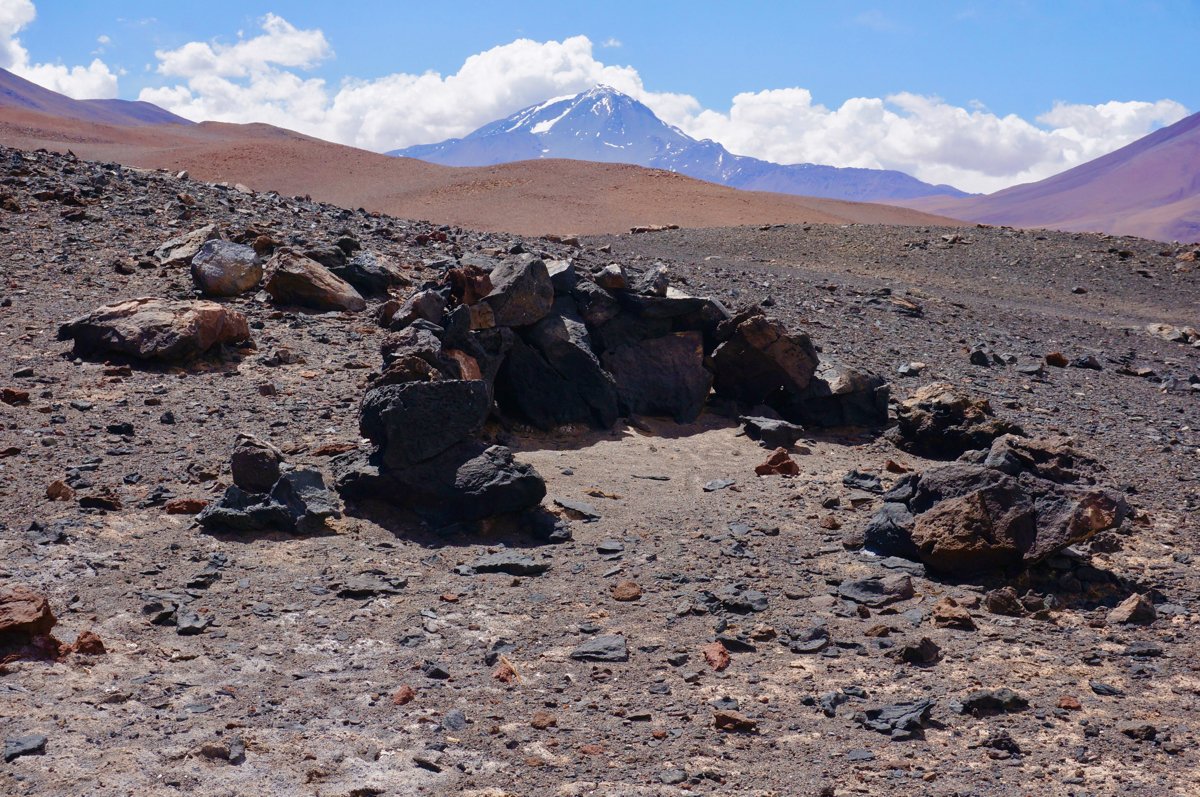
~Llullaillaco dressed in afternoon light.~
Neon’s anxieties were running high. We decided not to attempt a climb of Llullaillaco, thinking at our pace we might likely run out of food before the end of the route. A disappointment and a relief emerged from that decision—knowing we’d likely never get the chance to walk this mountain again. And I had grown quite fond of it after all my research. I felt a little as if I were abandoning a life-long friend. Funny how some mountains just get under my skin. If I were to come back to climb any of the mountains along this route, Llullaillaco would be at the top of the list.


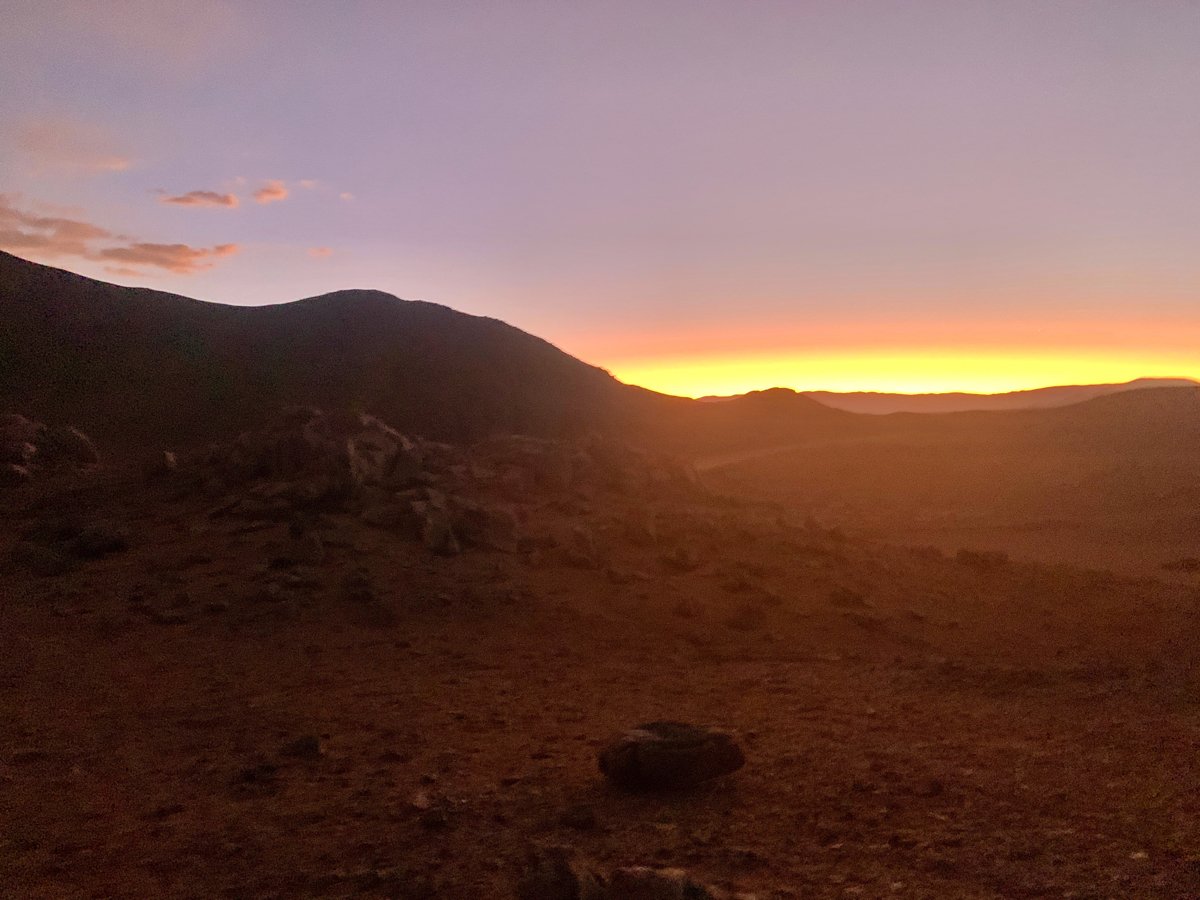
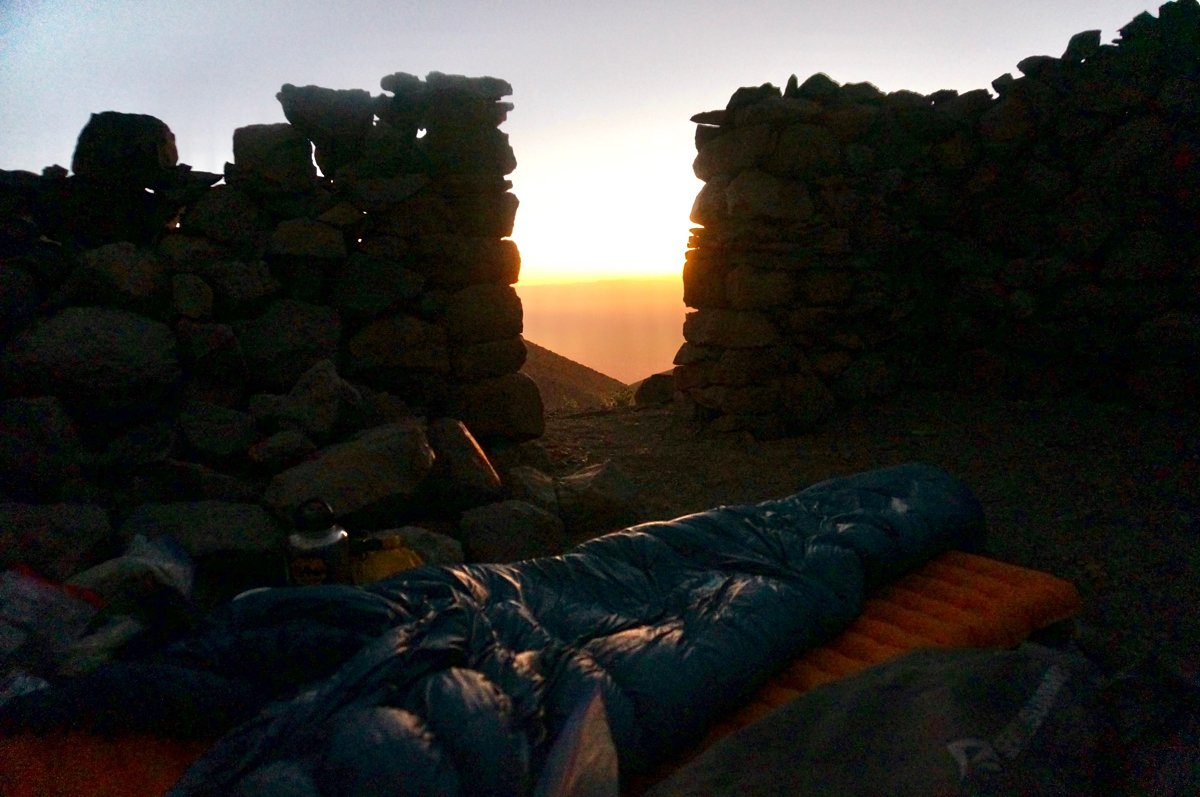
We stopped late afternoon and spent the next hour building a short rock wall to camp behind. Cowboy camping is cold out here, but the night’s sky absolutely glorious. I see Orion’s Belt first, then Pleiades; two familiar constellations. And later, a whole mysterious speckling of stars appears, denser than any I’ve ever seen. By morning, the Southern Cross is prominent. At 18°F again, these morning temperatures are several degrees colder than the rating for my sleeping bag. Waiting for the sun to crest the ridges makes these freezing mornings tolerable.


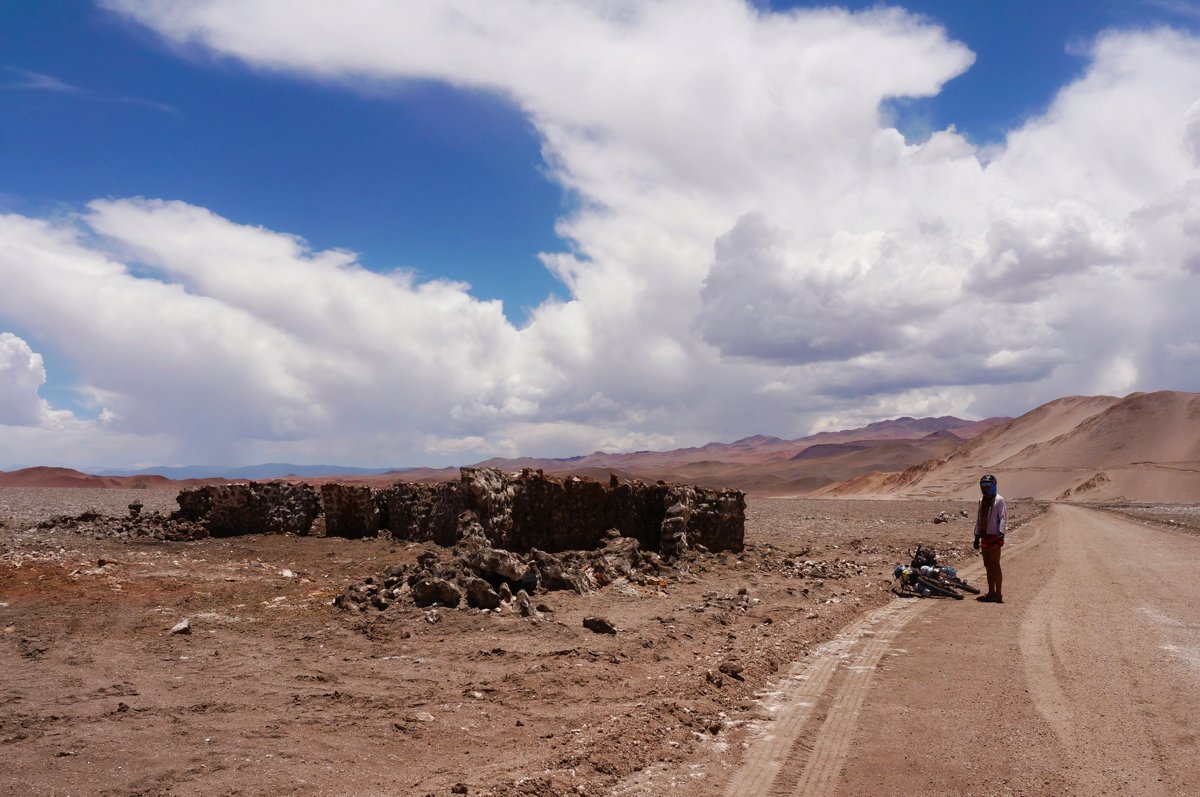
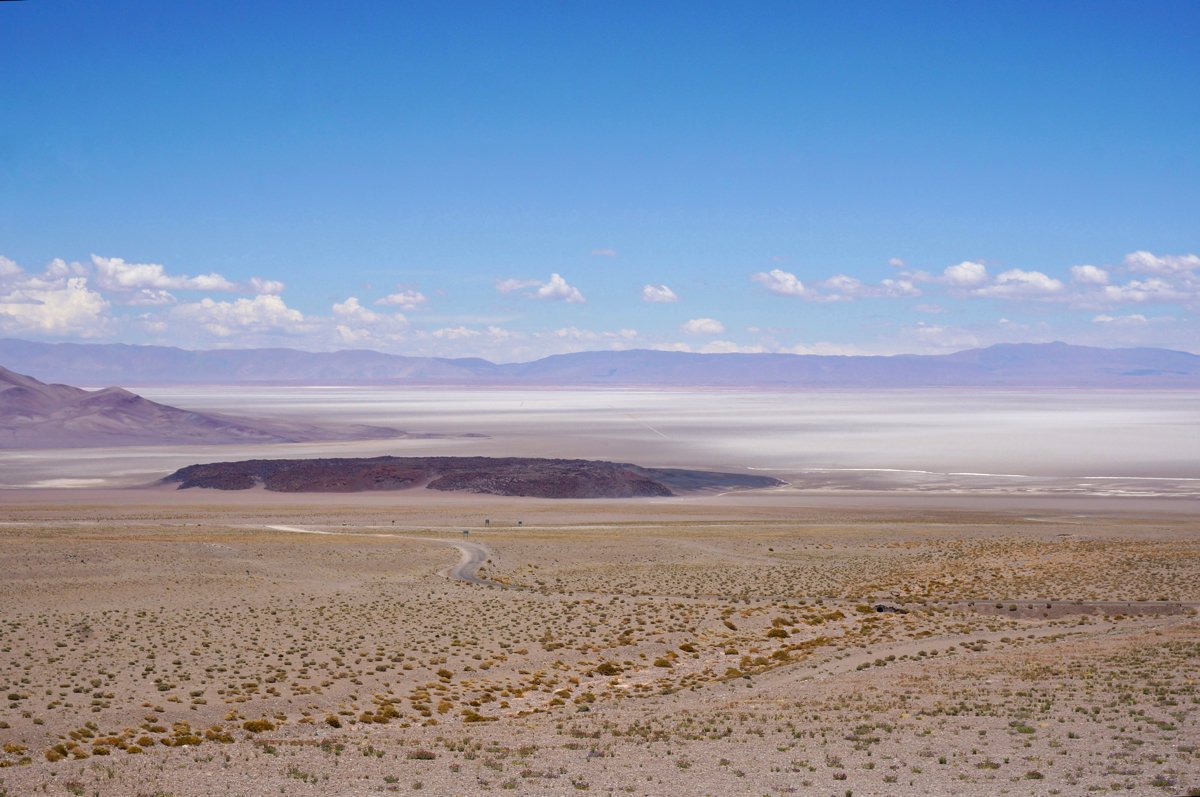
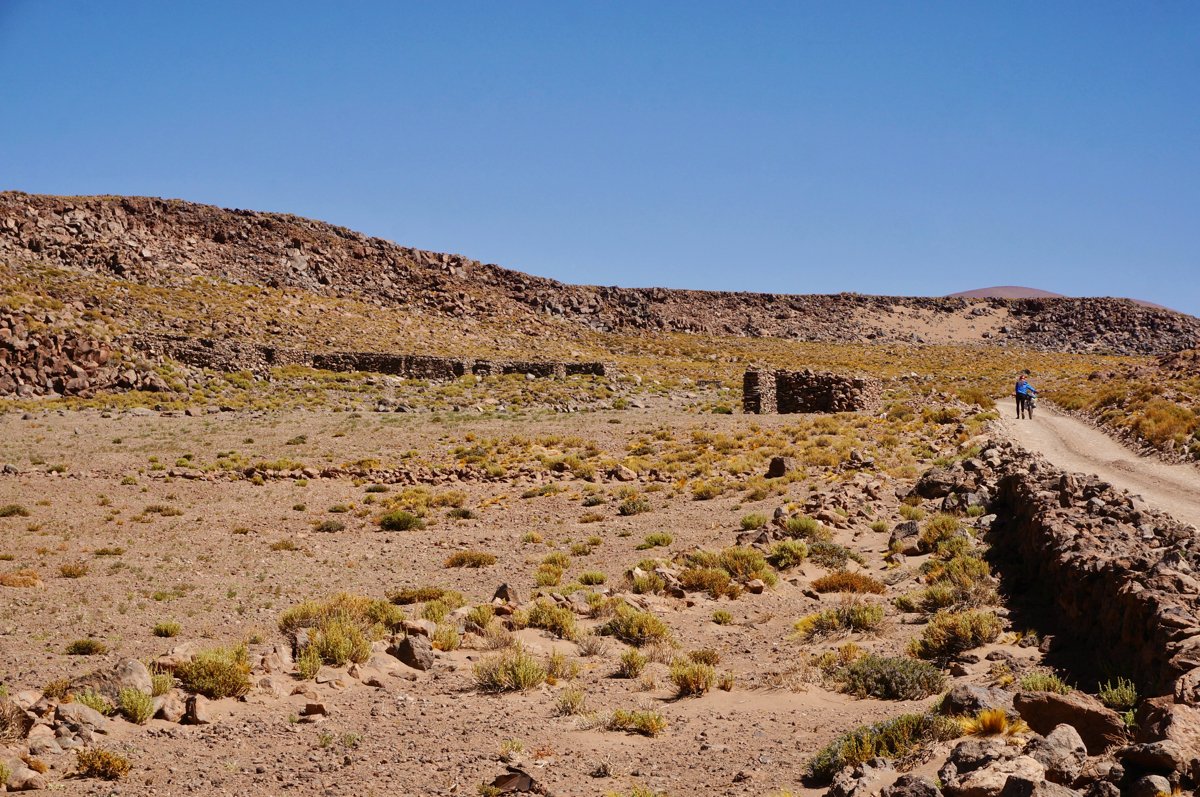
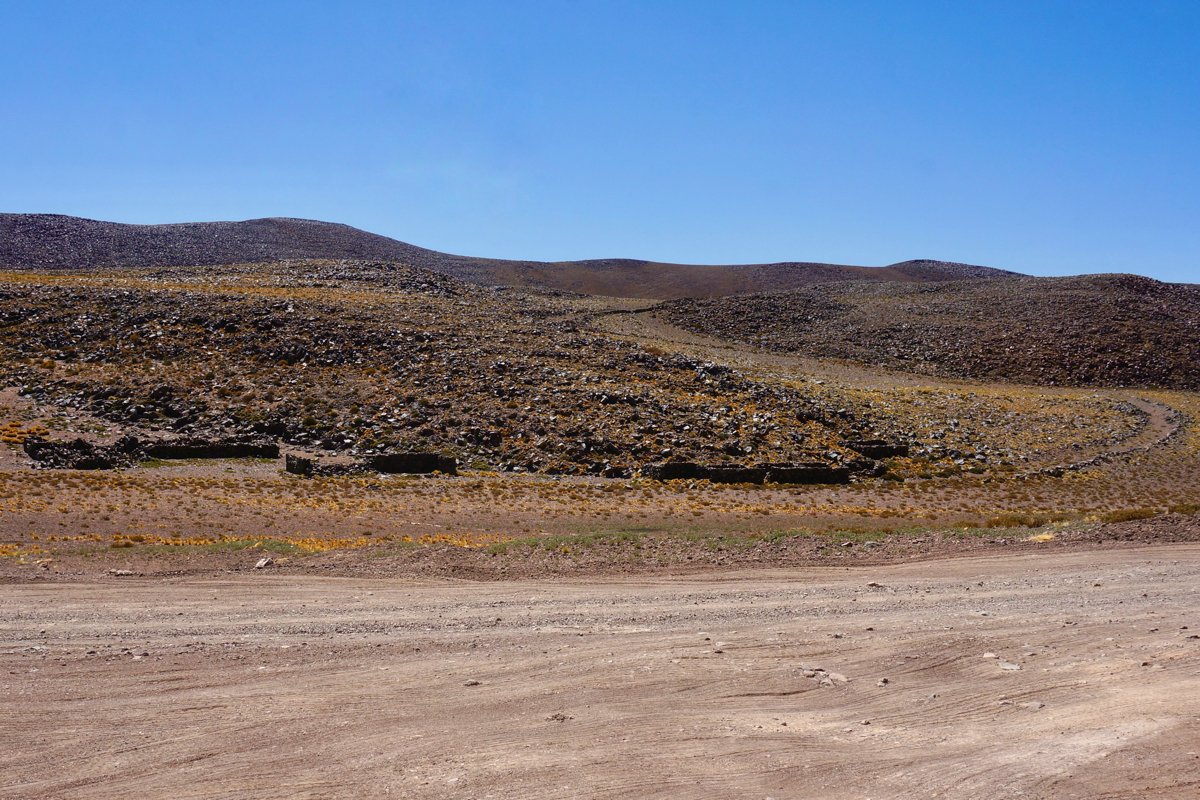
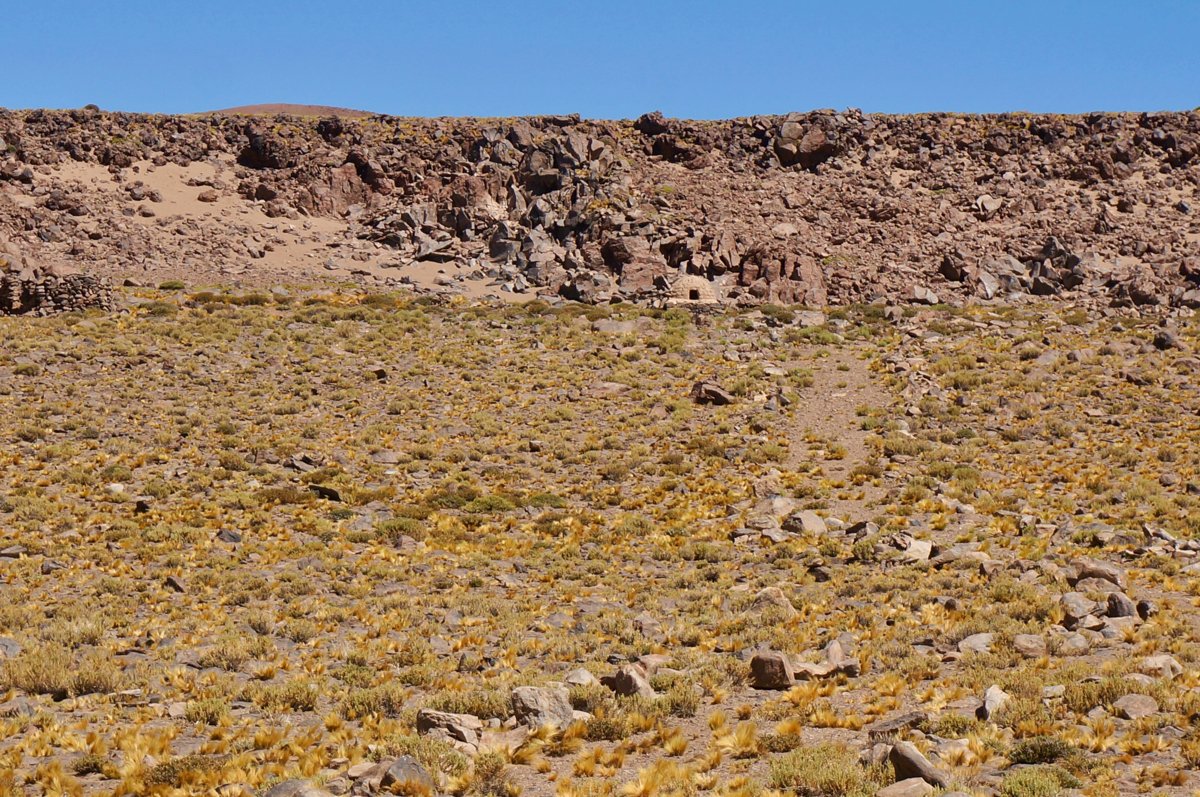
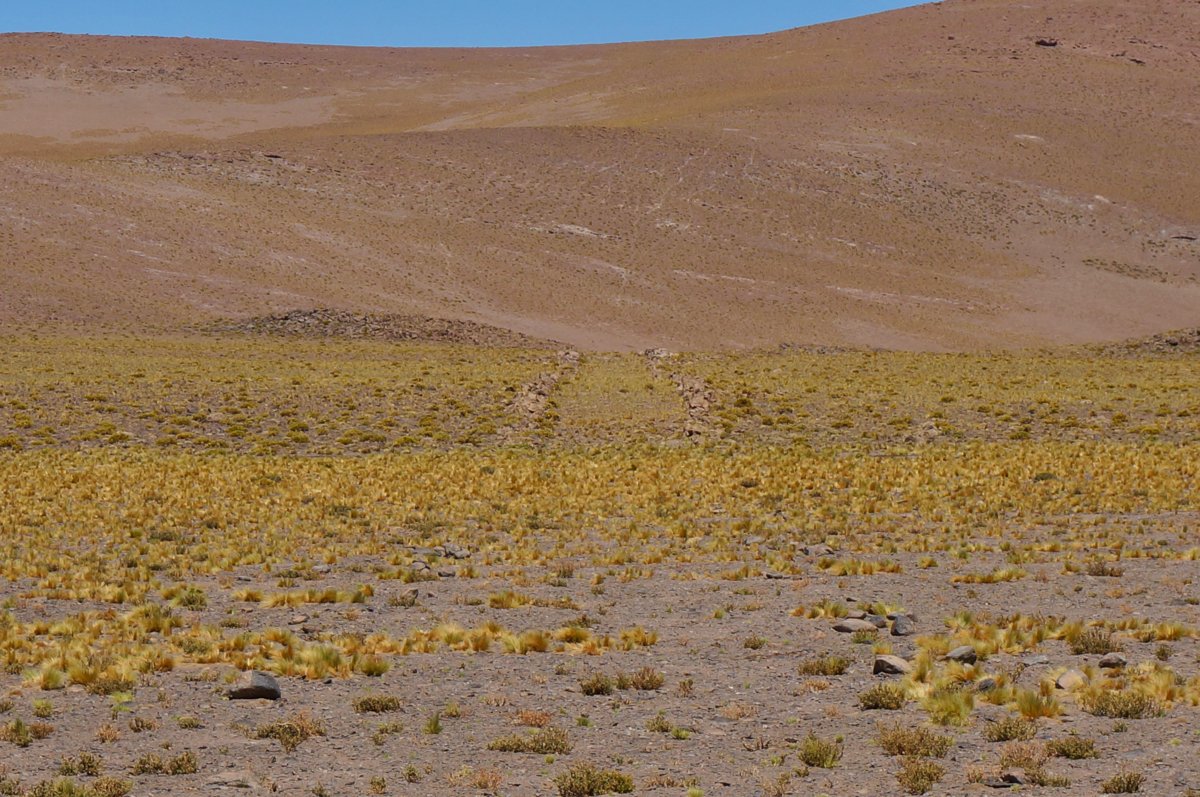
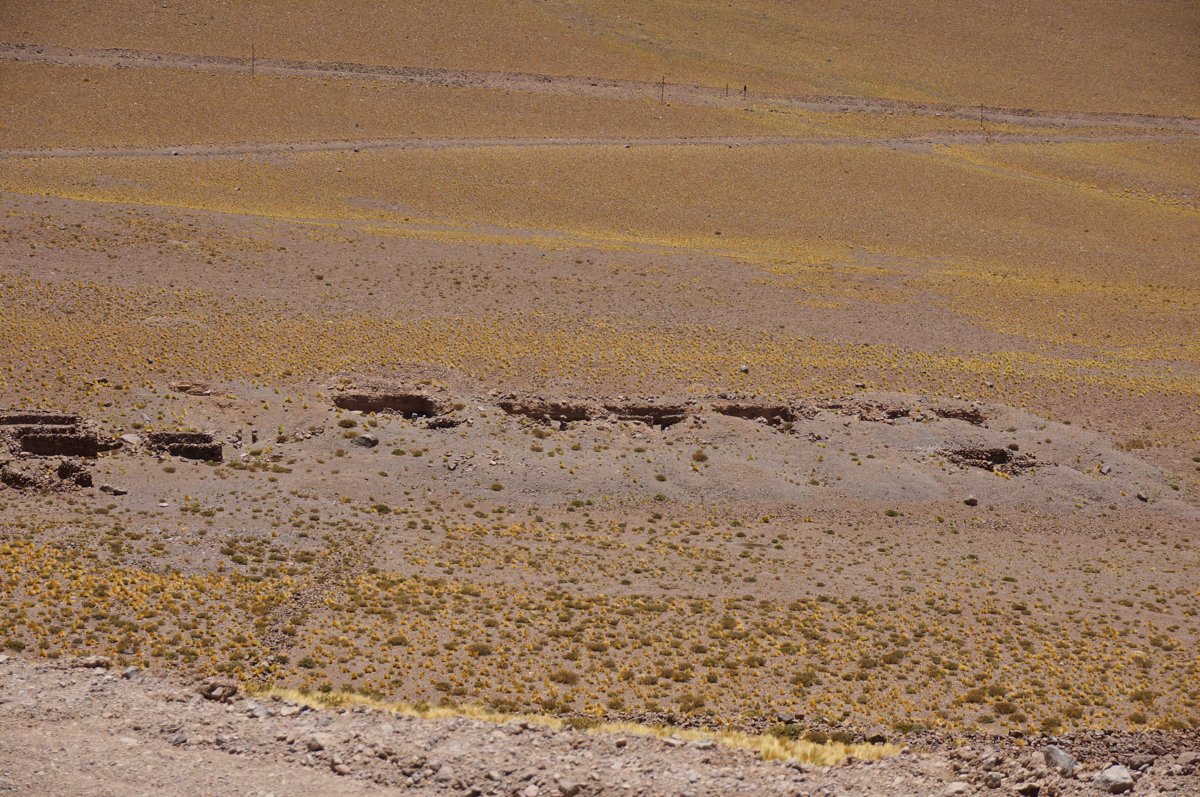
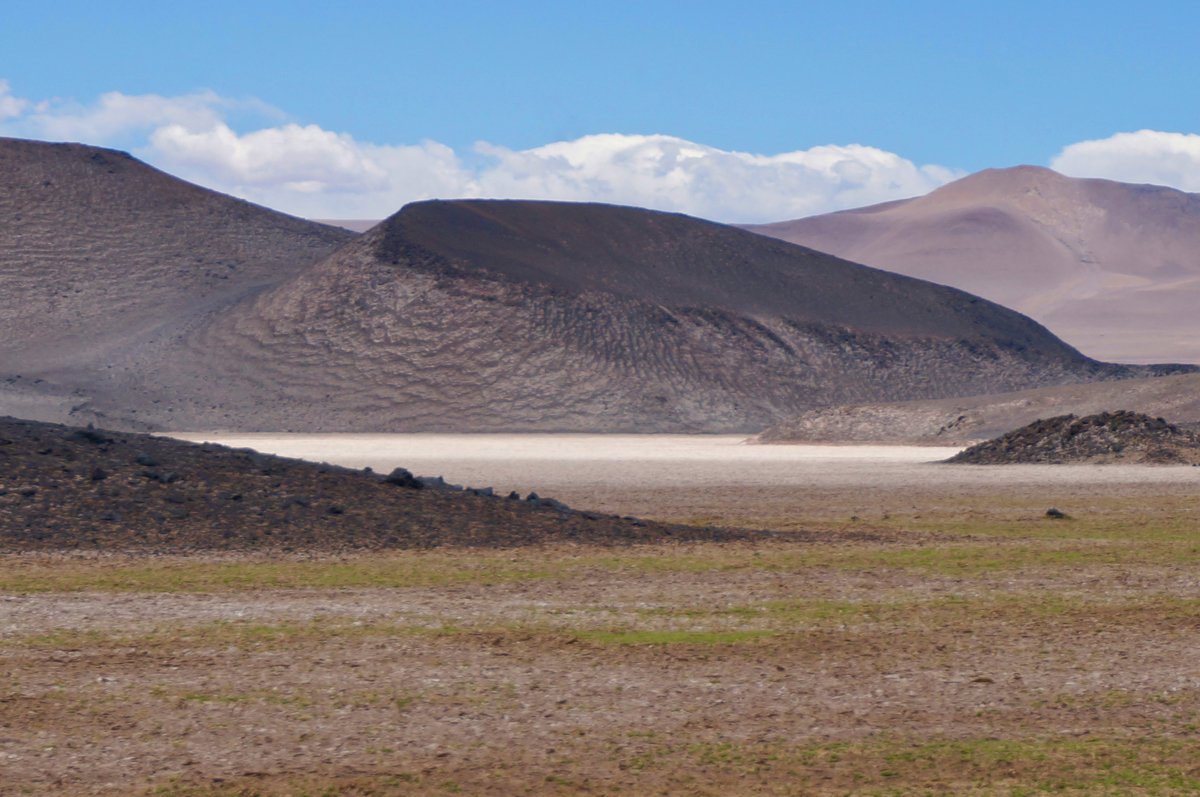
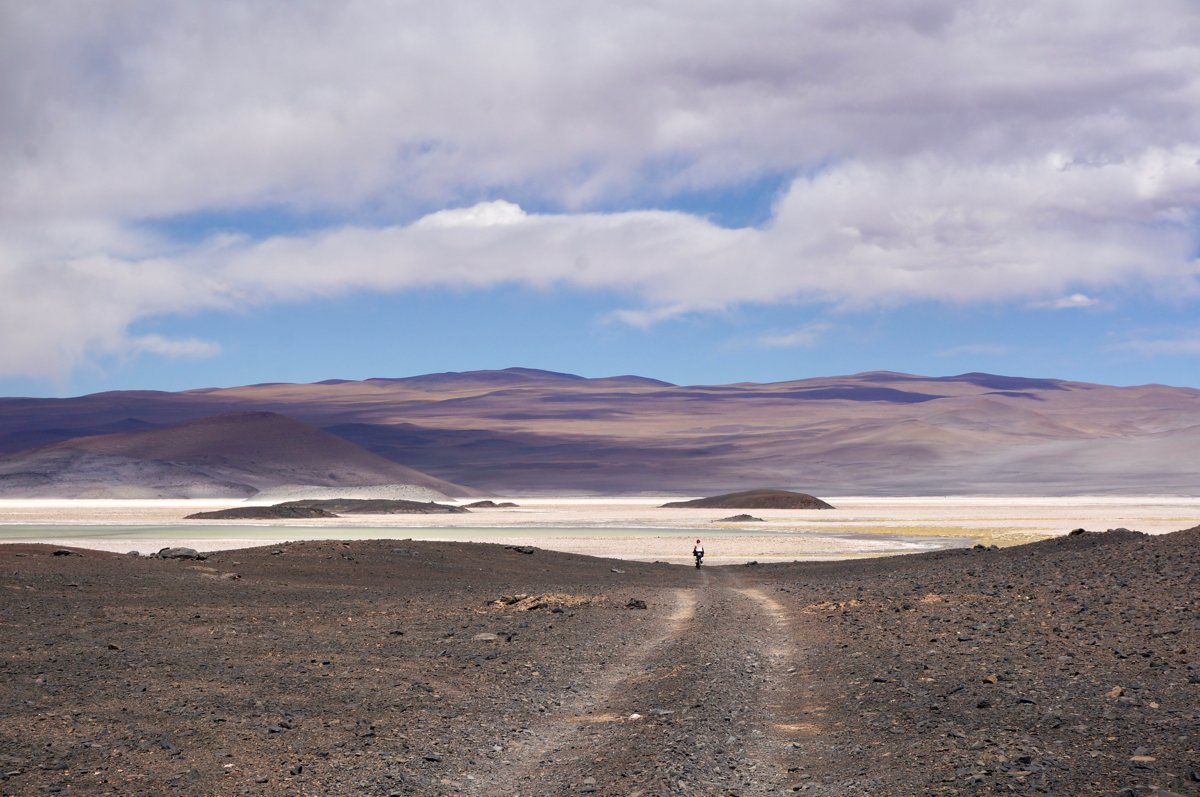
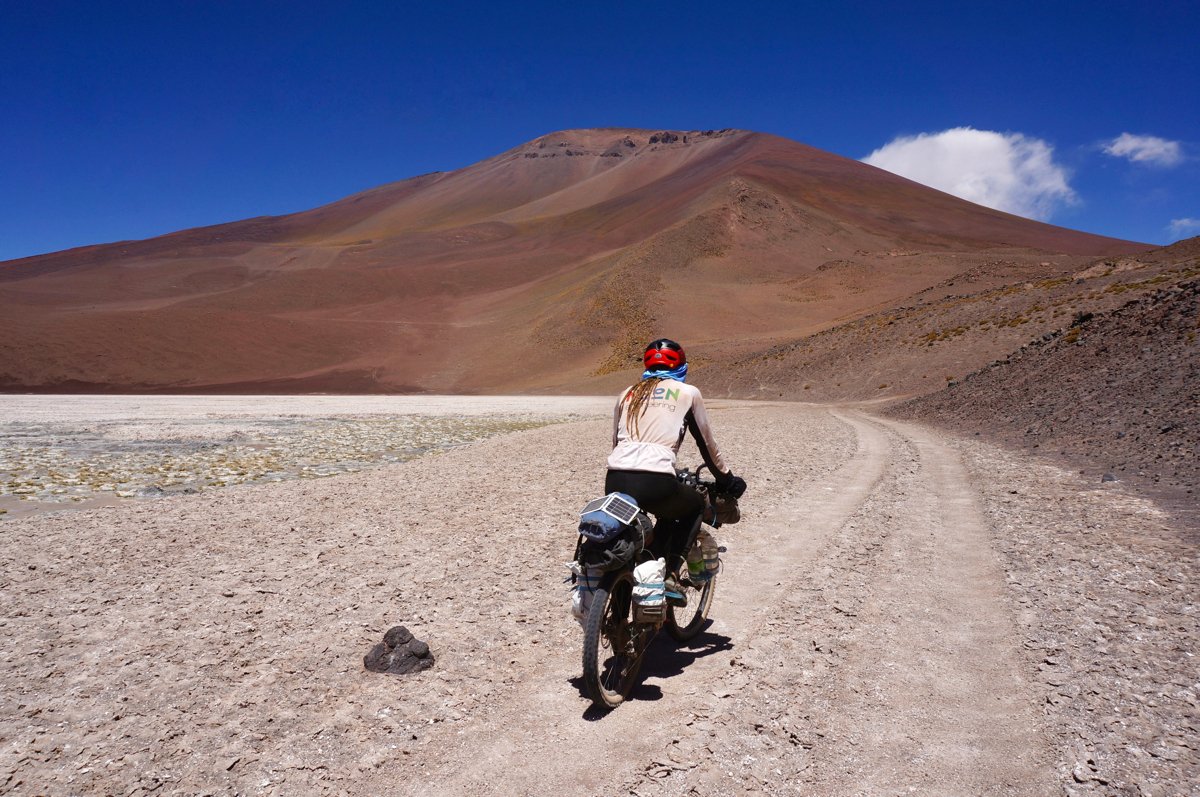
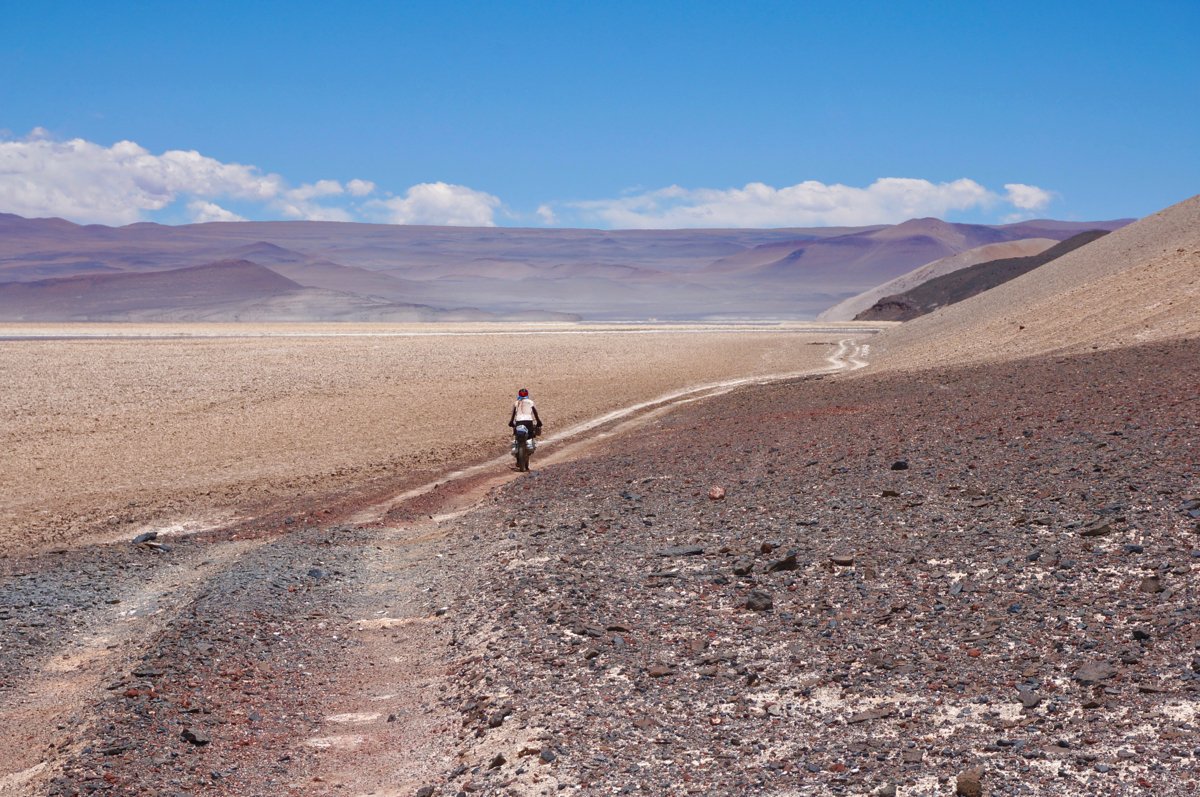
A long descent down a gravelly, sandy, old two-track drops us into Salar de Llullaillaco. Firm roads made of salt, more ruins, and my first flamingo sighting passes the afternoon.

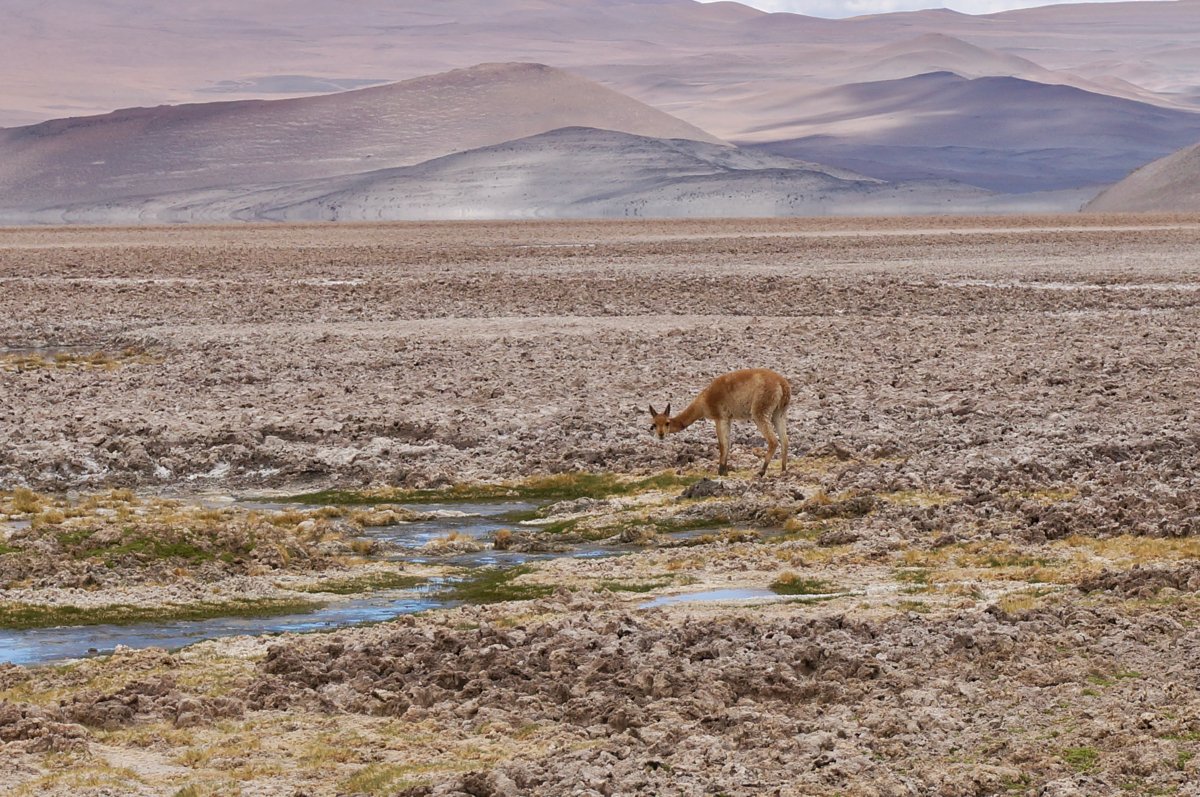
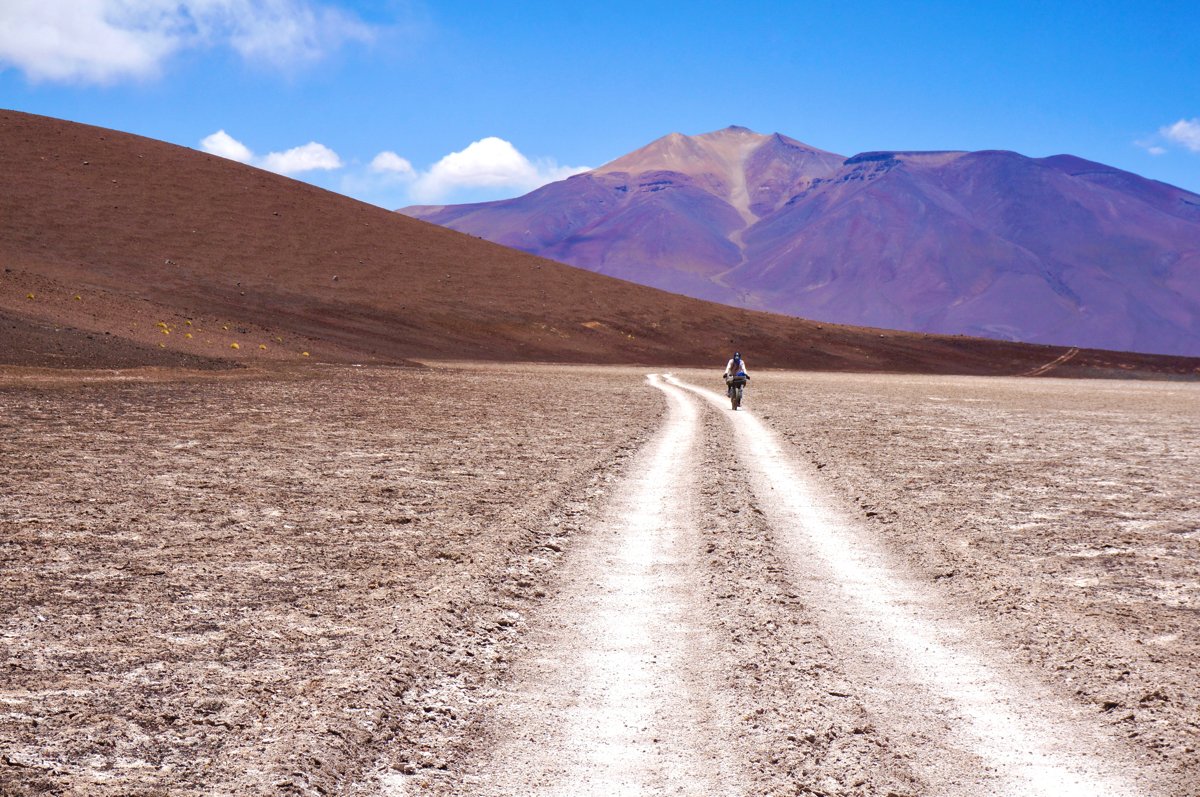
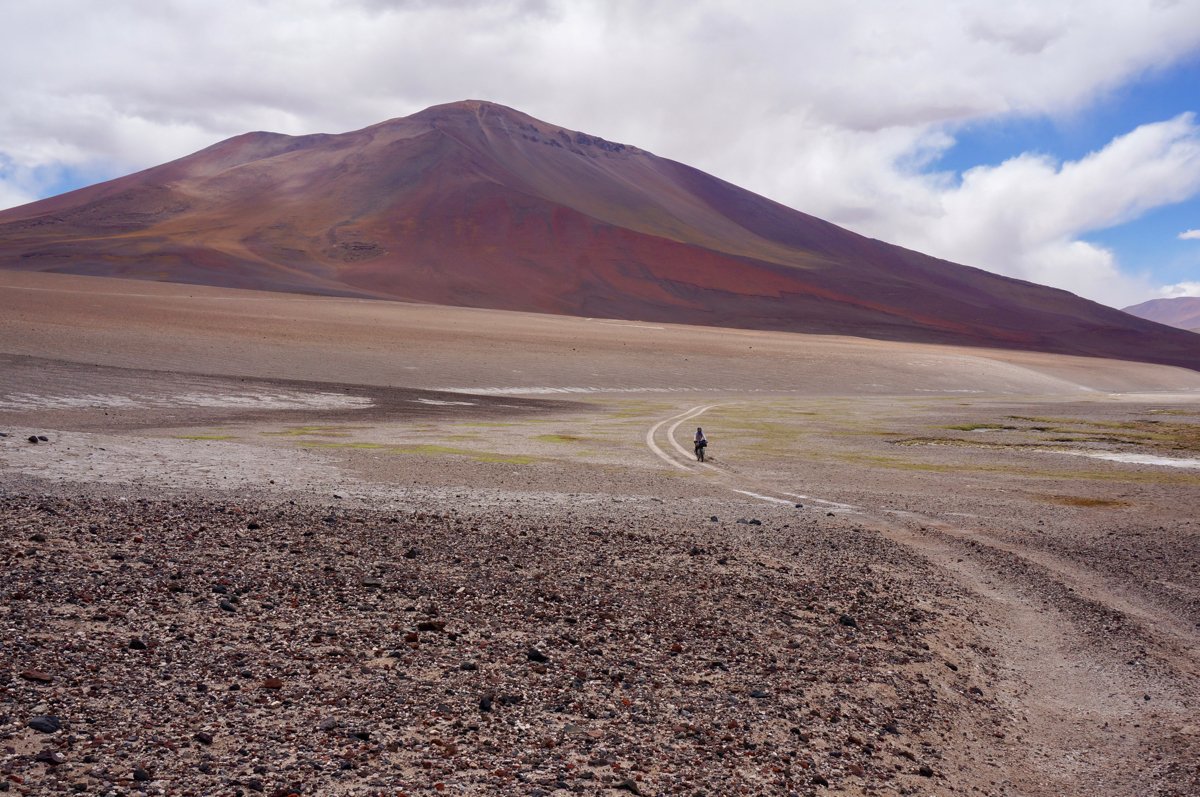
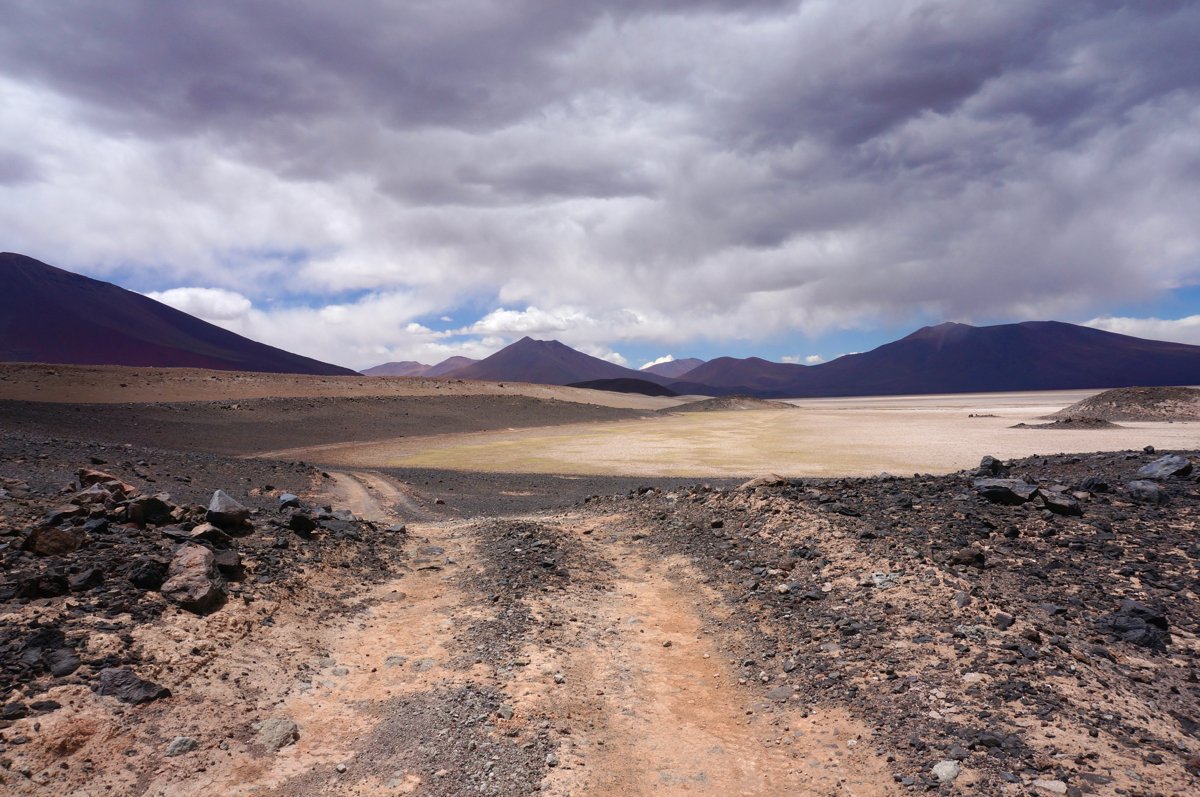
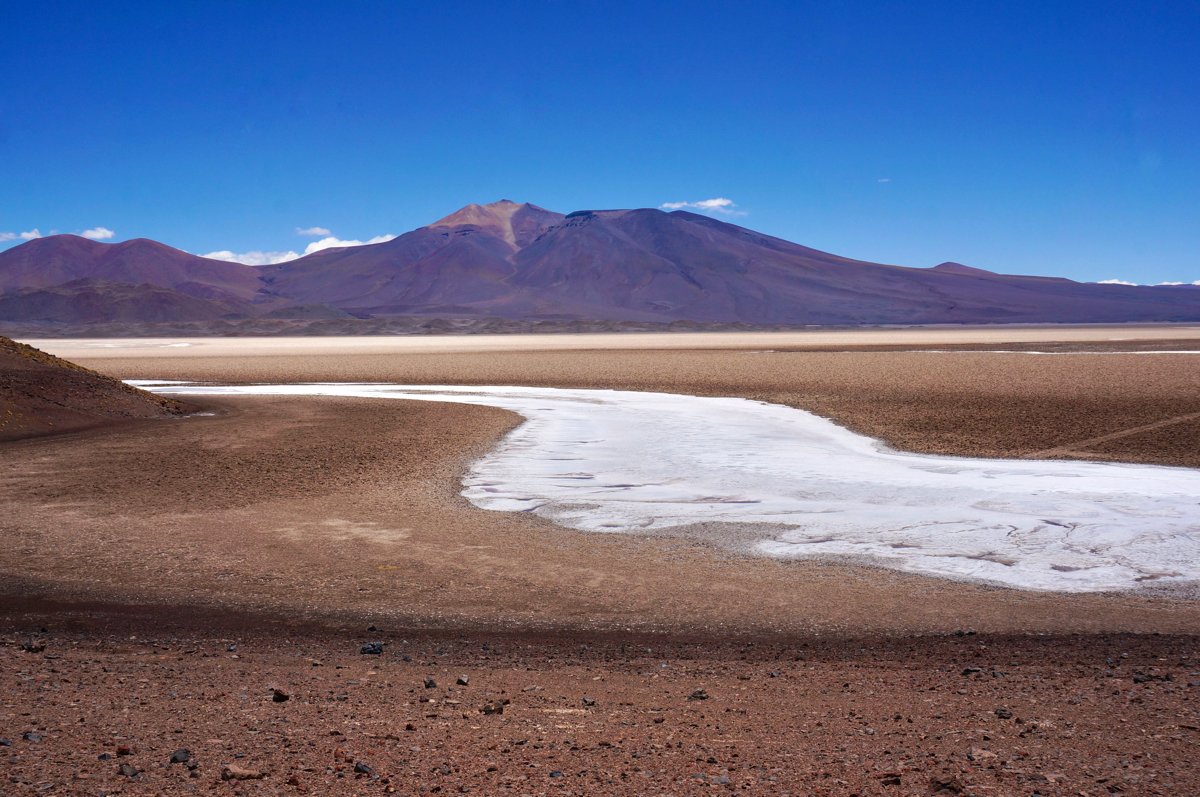
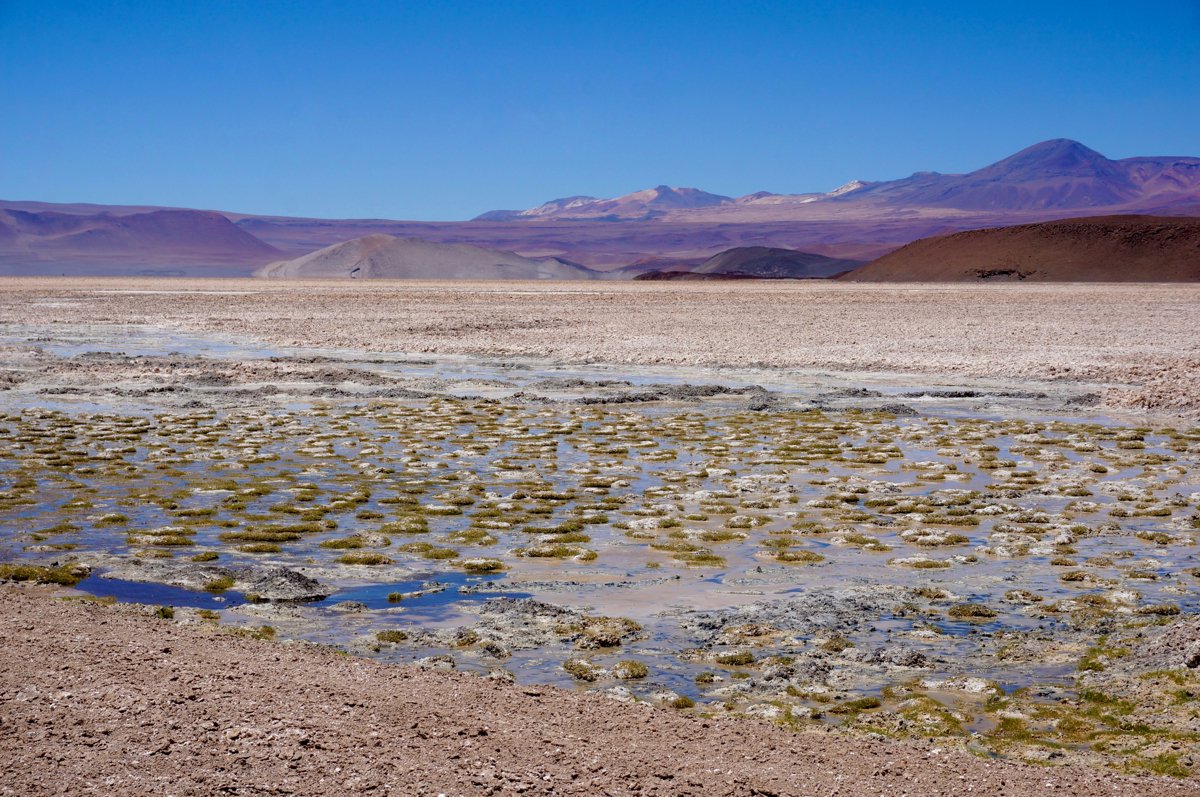
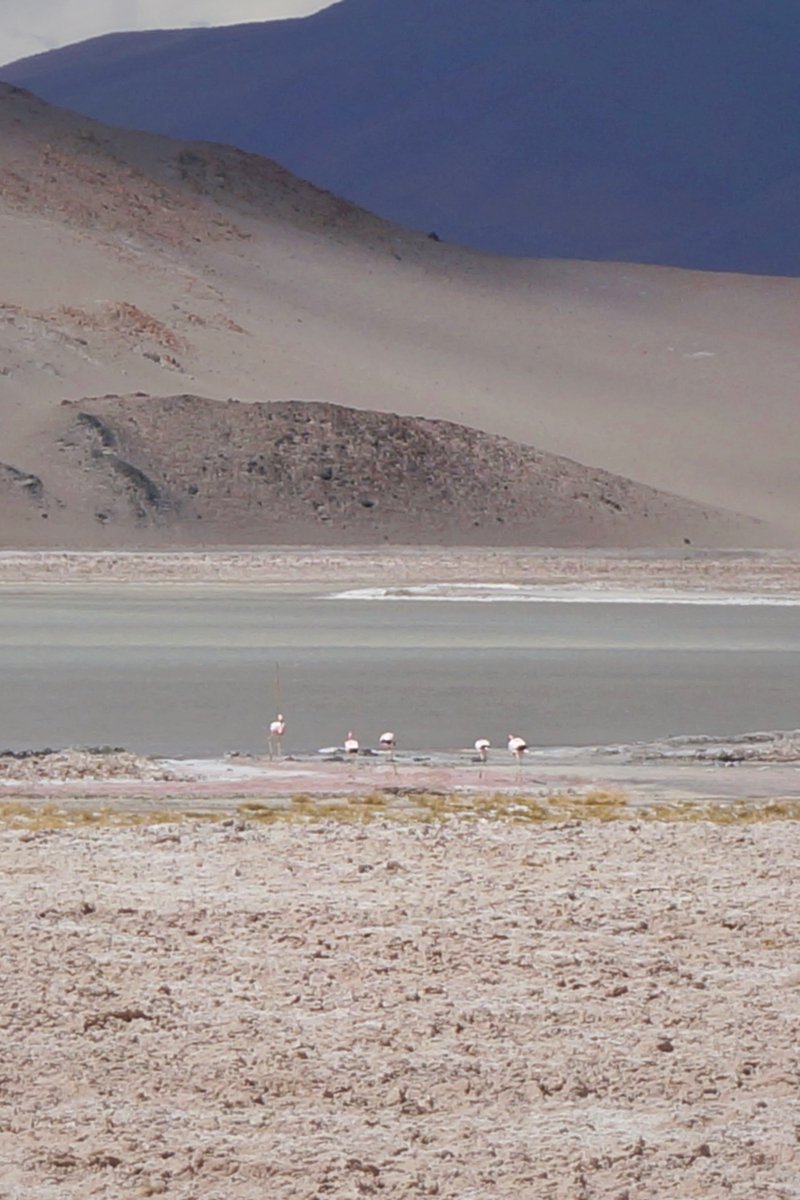
I saw my first flamingo, in the wild. In Argentina, In the Puna.
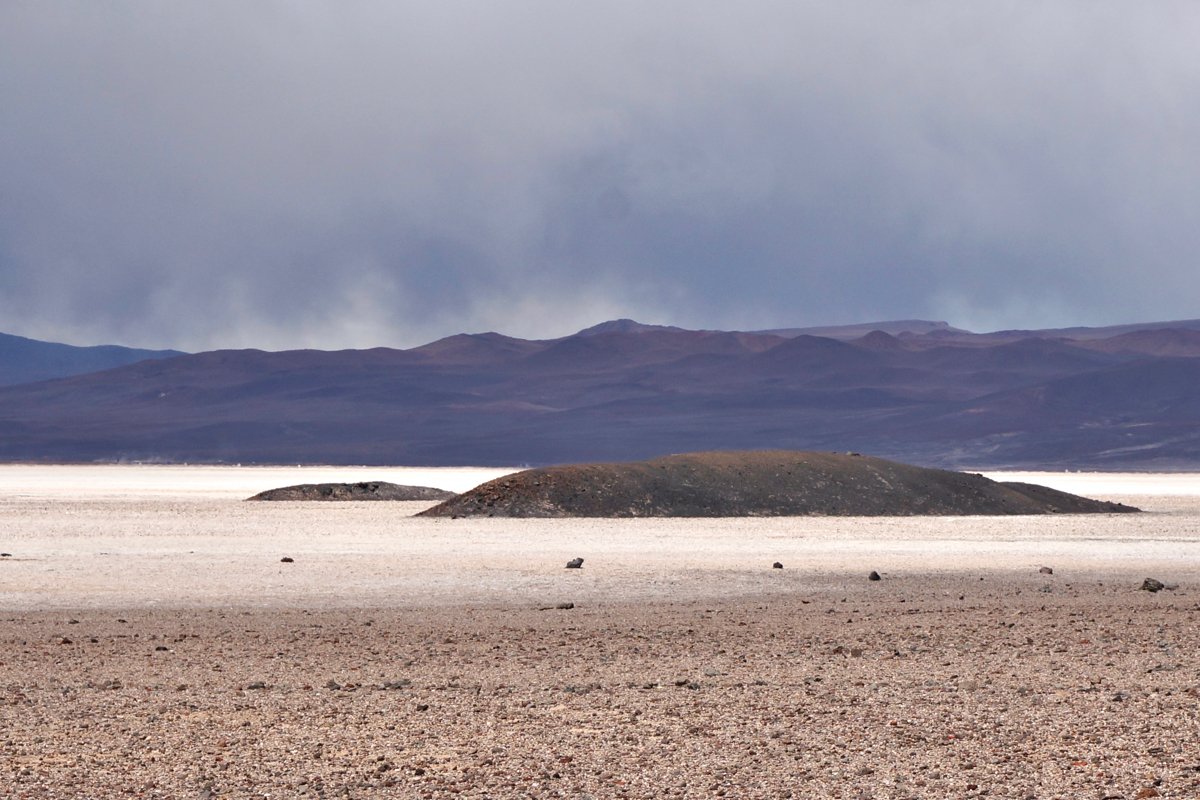
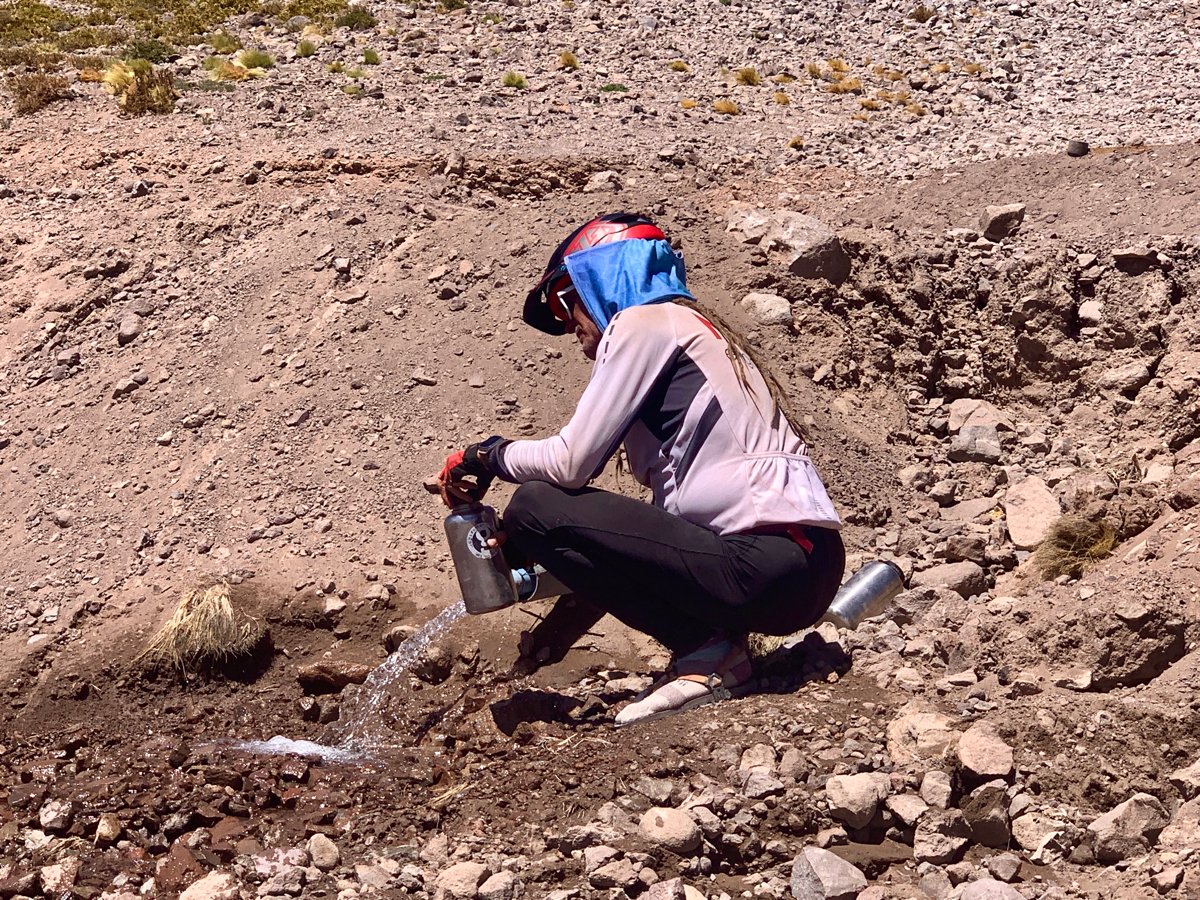
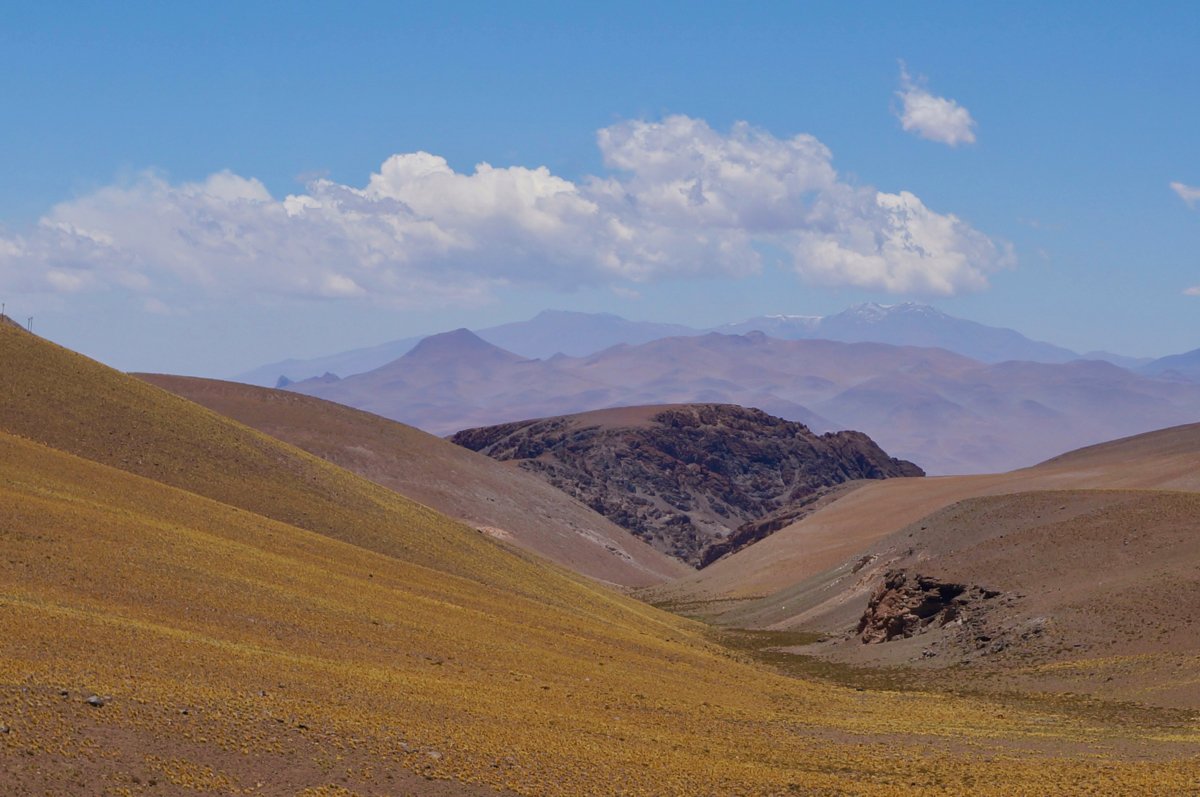
The area this route travels through is the Puna de Atacama, with an average elevation of ~4500 meters. 85% of the Puna de Atacama lies within Argentina’s border, and the other 15% lies in Chile. It’s very dry here. The area is characterized by large salt flats and high mountains, especially a string of six thousand meter peaks, hence the route’s name “Ruta de La Seis Miles” or “route of the six thousanders”.
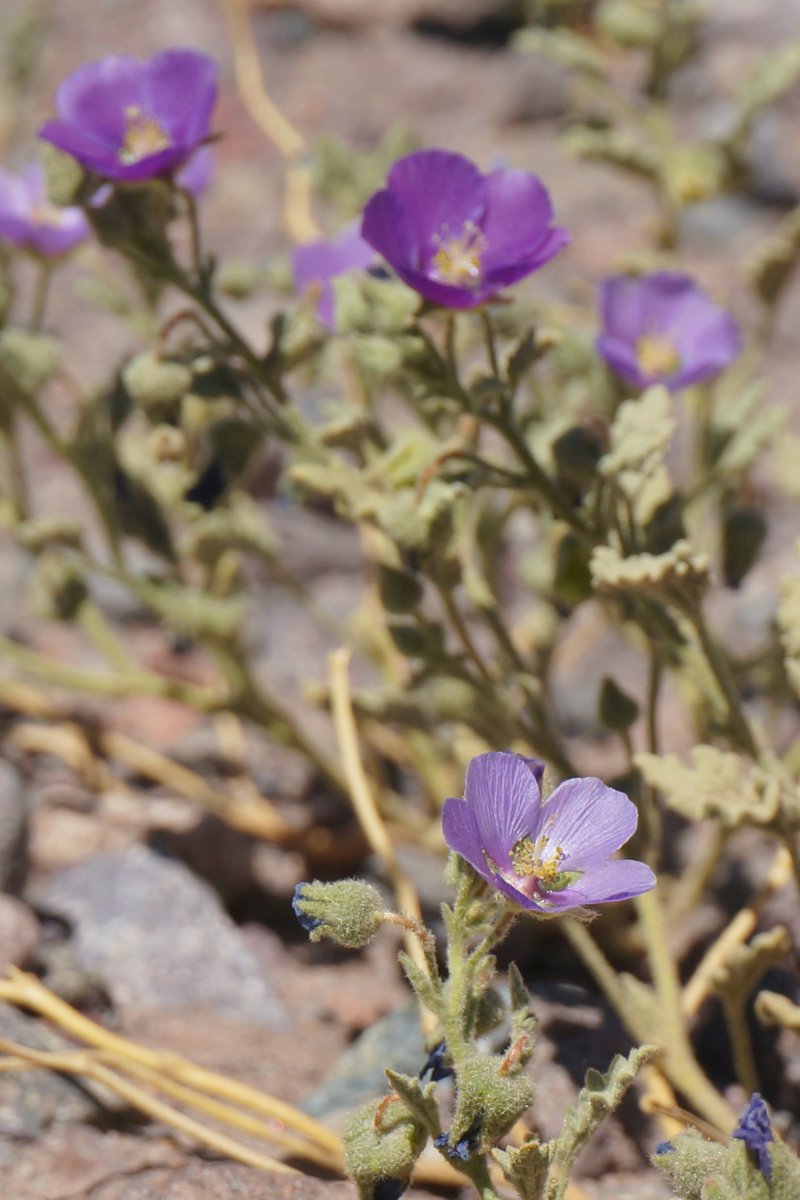
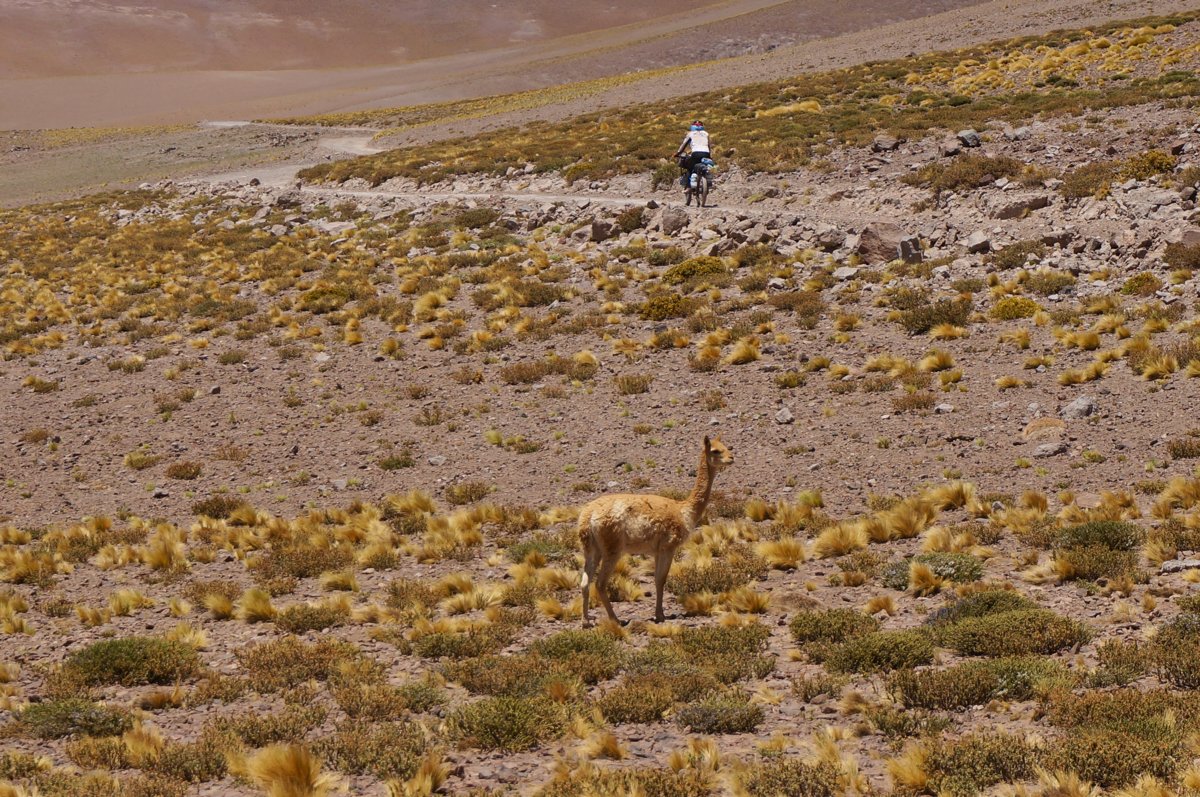
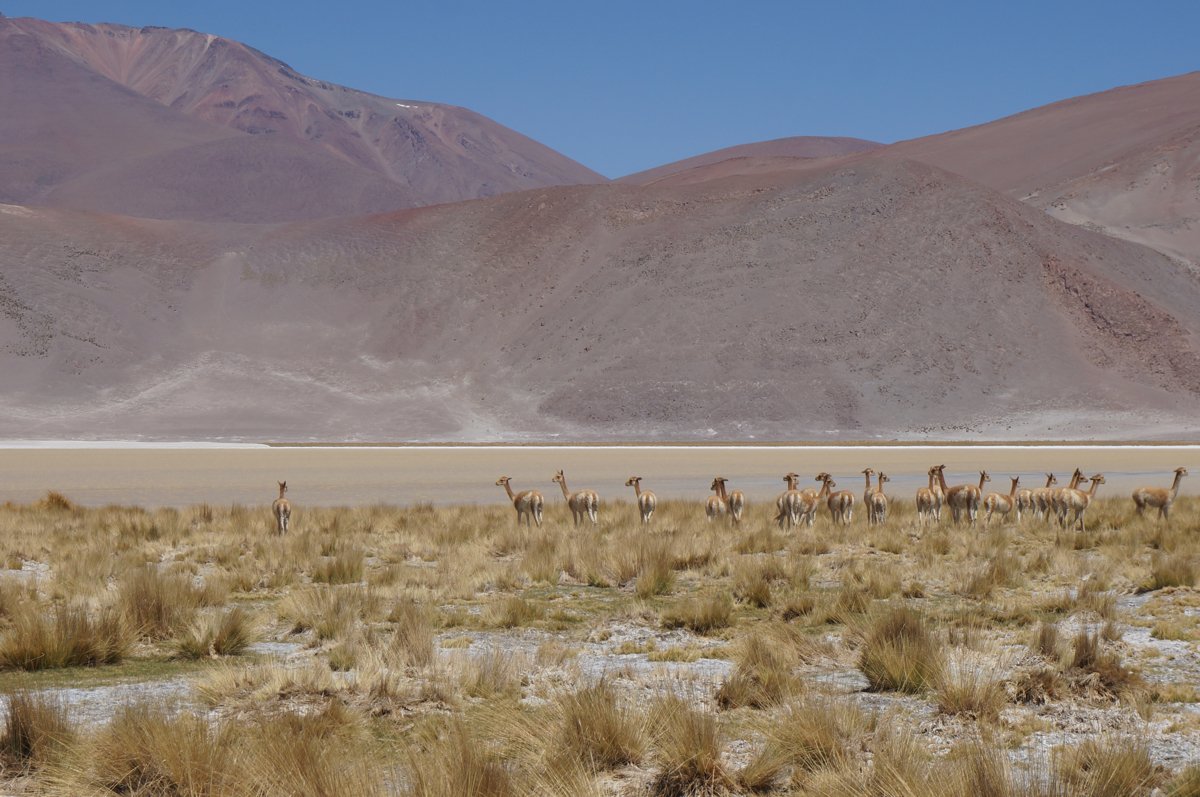
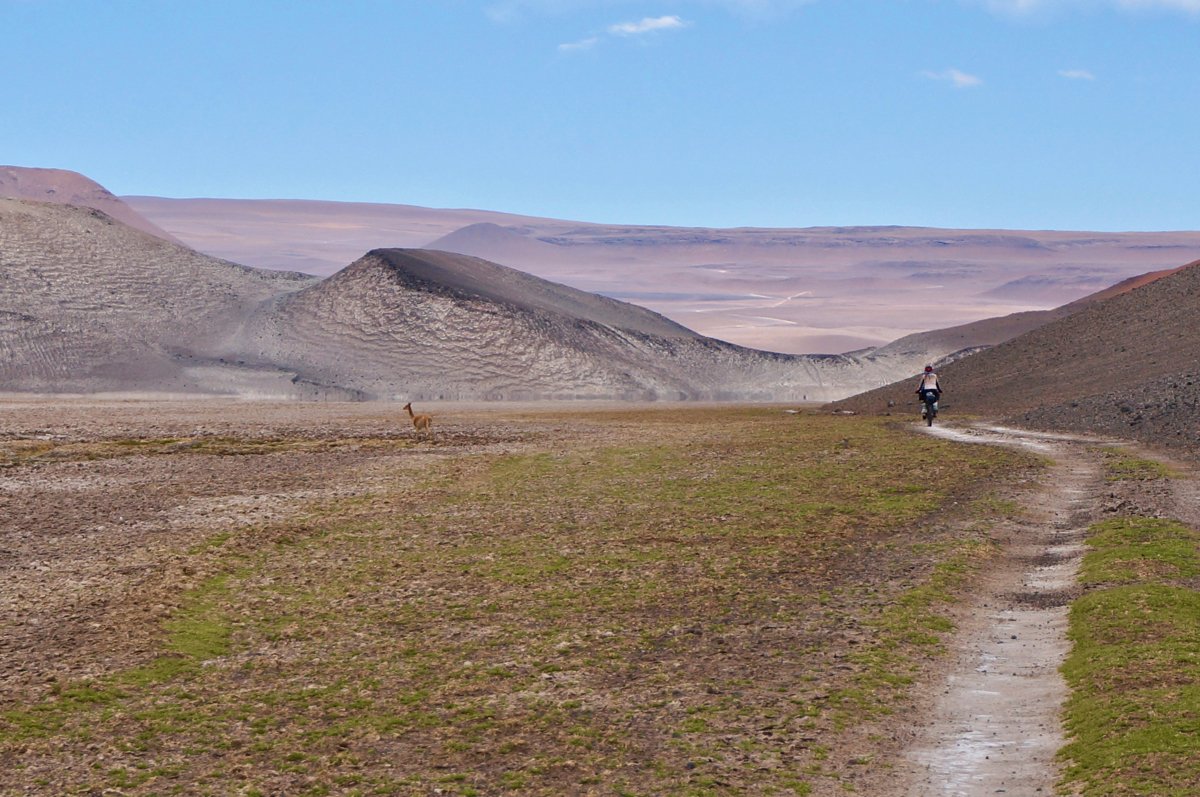
The most abundant wildlife we’ve seen out here have been Vicuña (a camelid). We’ve also seen lizards, a few foxes, burros, and a few flamingos and ducks at some of the lakes, and a handful of other small birds here and there.

Neon’s energy was fading with the afternoon, perhaps an electrolyte issue. We had a long break in the road. I was explaining to Neon how I see in shapes. The shapes between the rocks and the mountains and the clouds. I remember things in shapes. Even words are just shapes. He interrupts and says, it’s not “bikepacking with girl”, really it’s “Bjork-packing” with girl. We laugh and wrap up our break.
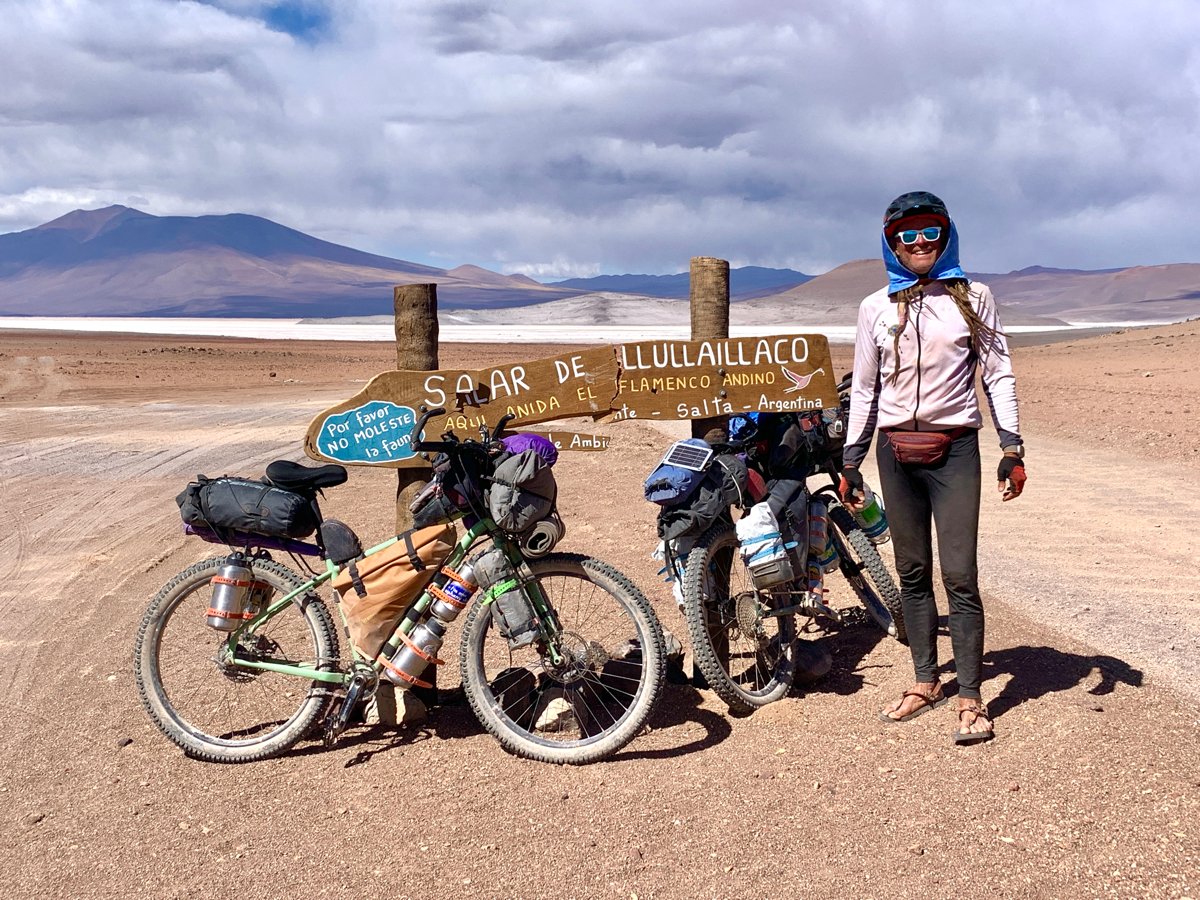


Near the end of Salar de Llulaillaco, we spotted another cyclist approaching. We met Frank just as the afternoon wind become fierce. We pushed hard against the wind, sometimes hardly remaining upright. We made it to a short rock wall where we all huddled out of the wind together. We helped each other pitch tents in the wind. And in the morning, we headed out together.

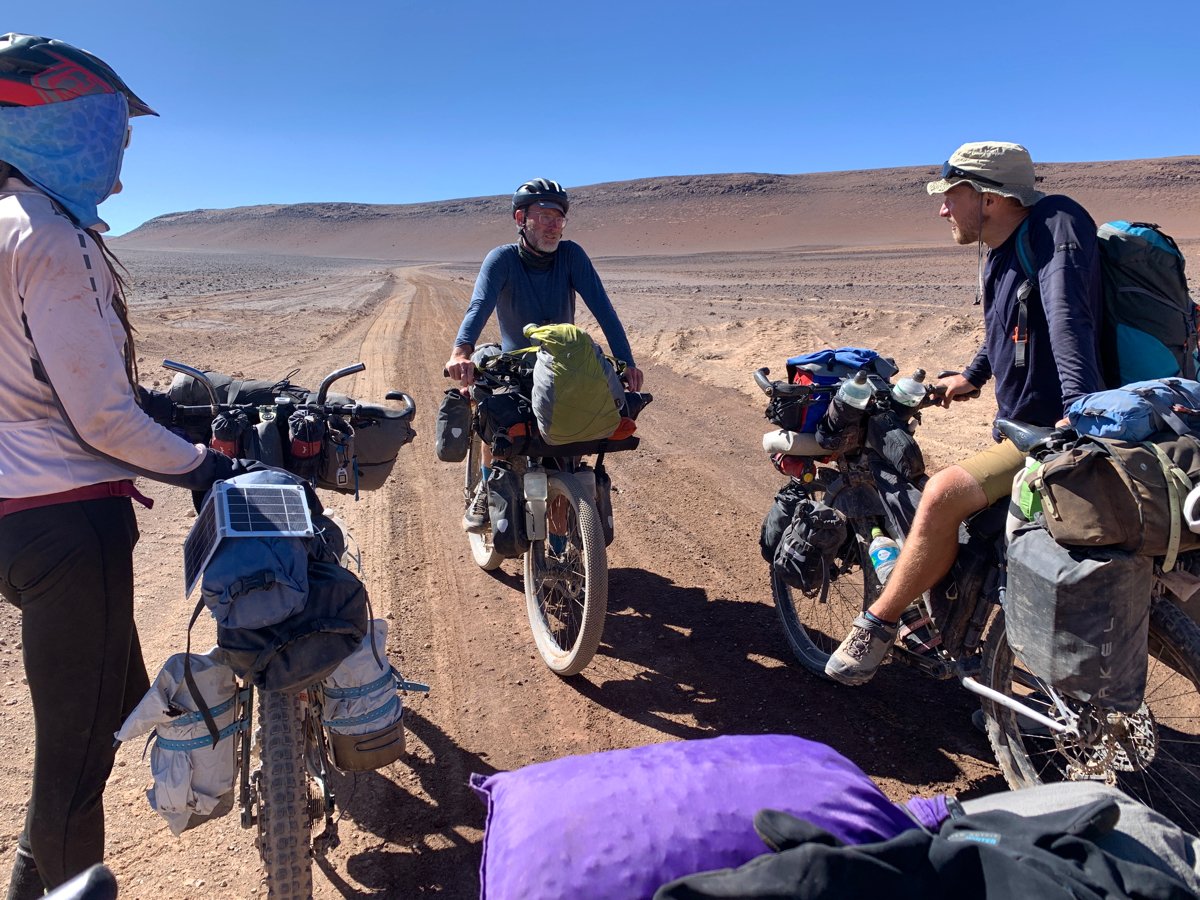
A short while later, another cyclist came up from behind, Steph. We each made our way to the next pass, and met up again after the long descent down to Mina La Casualidad.


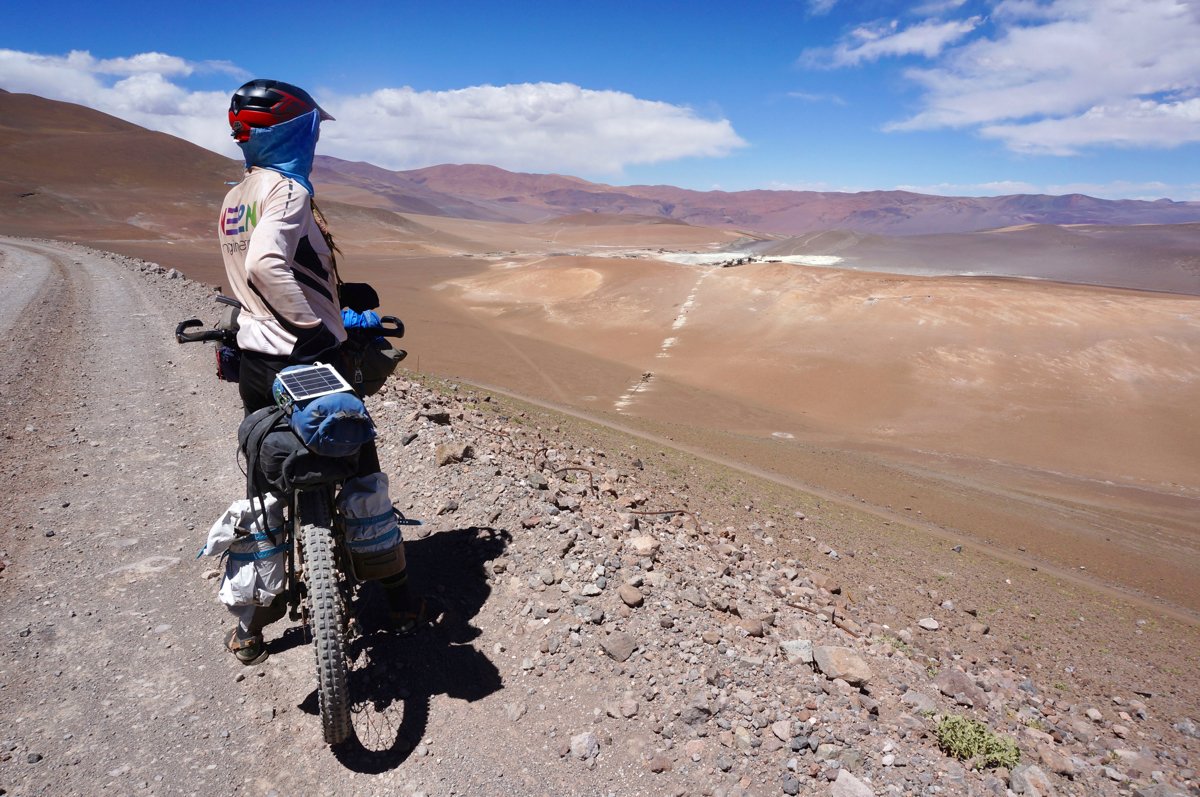


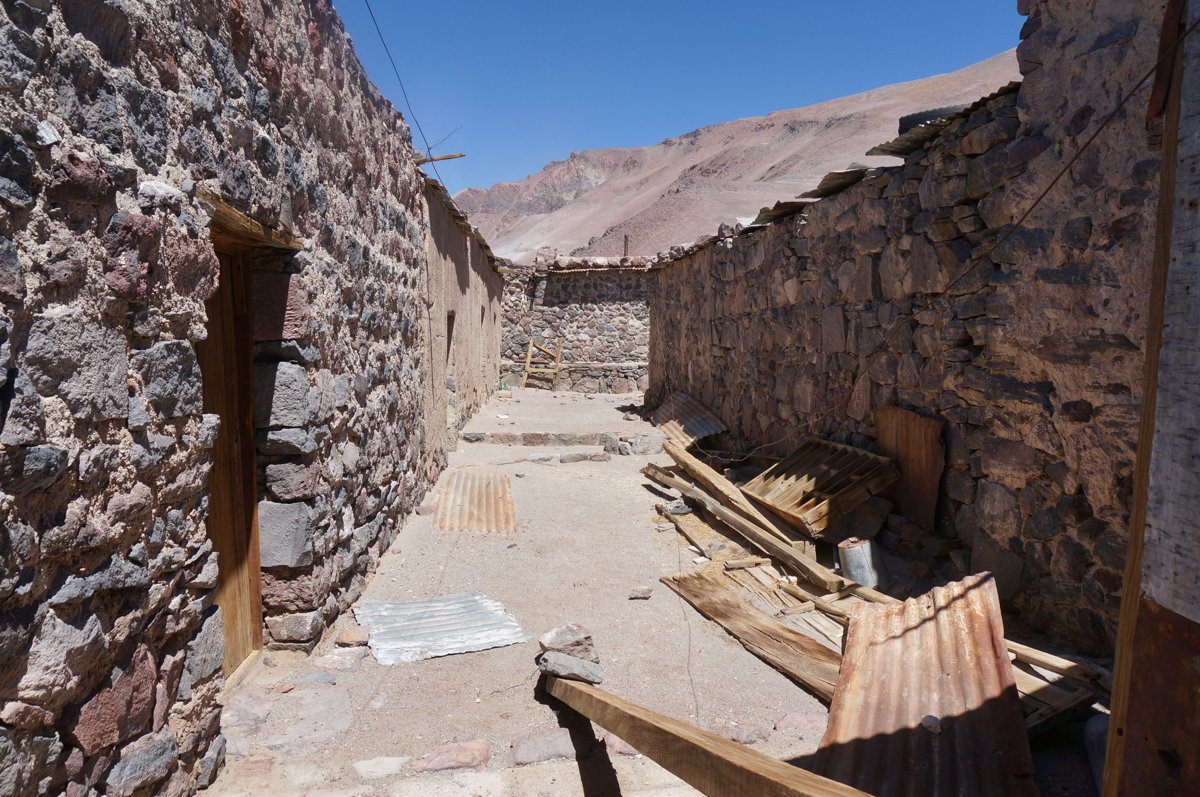
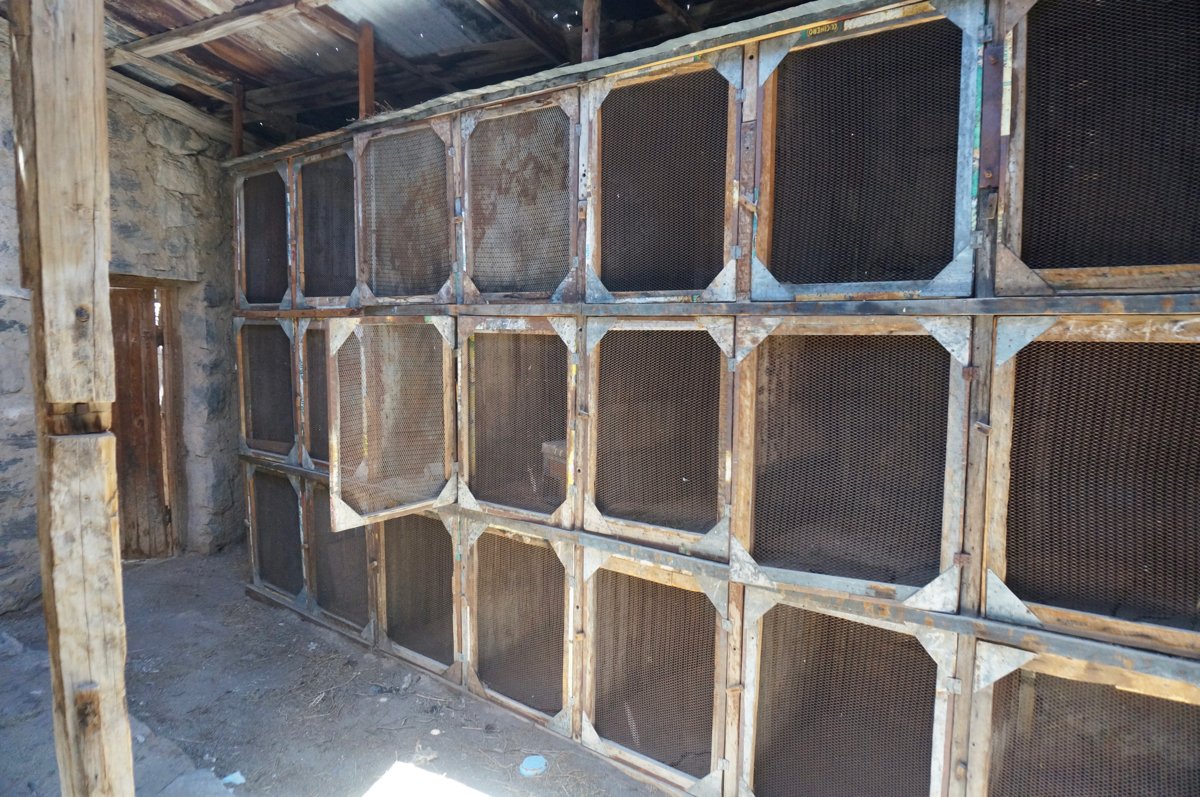
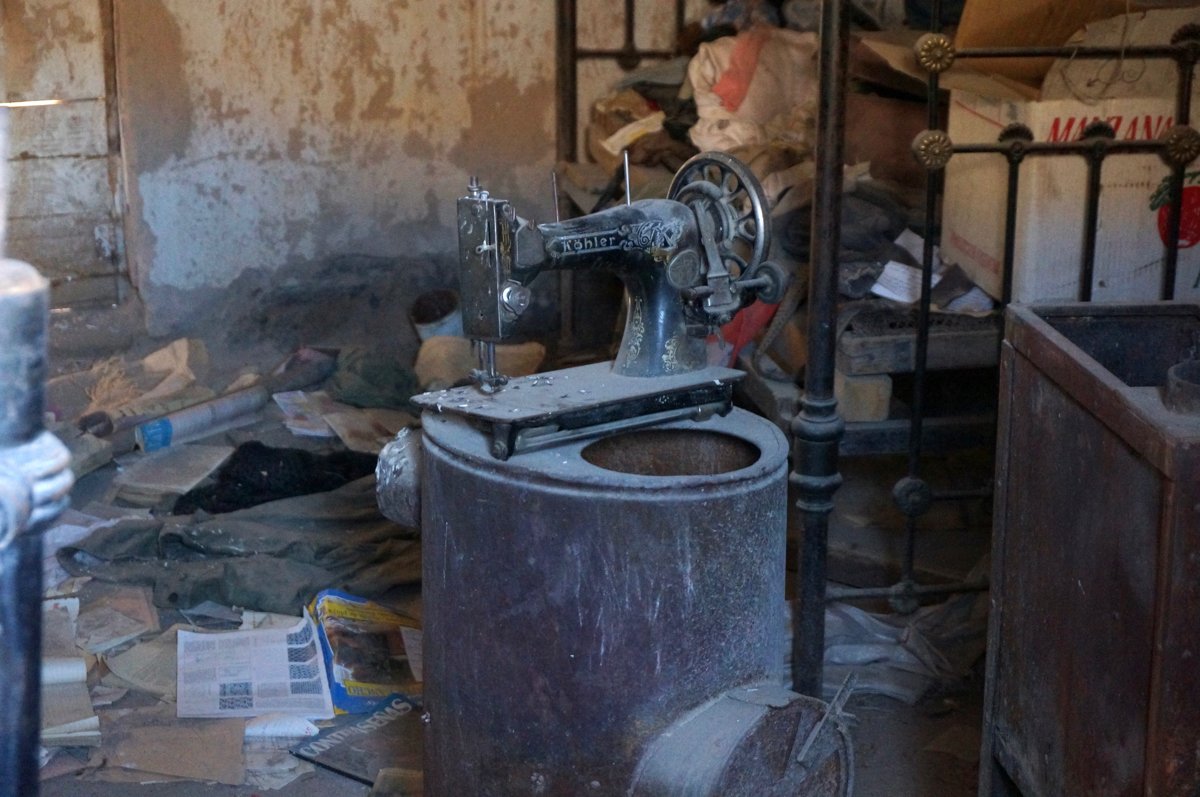
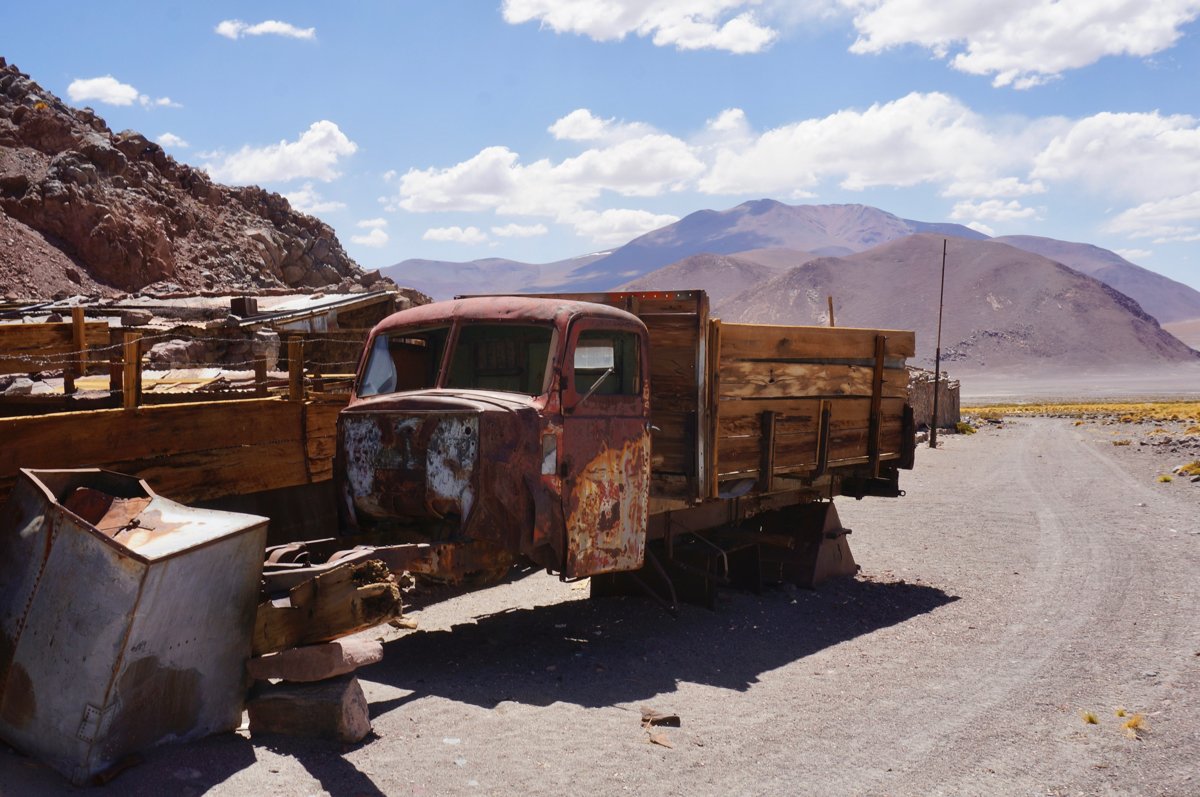
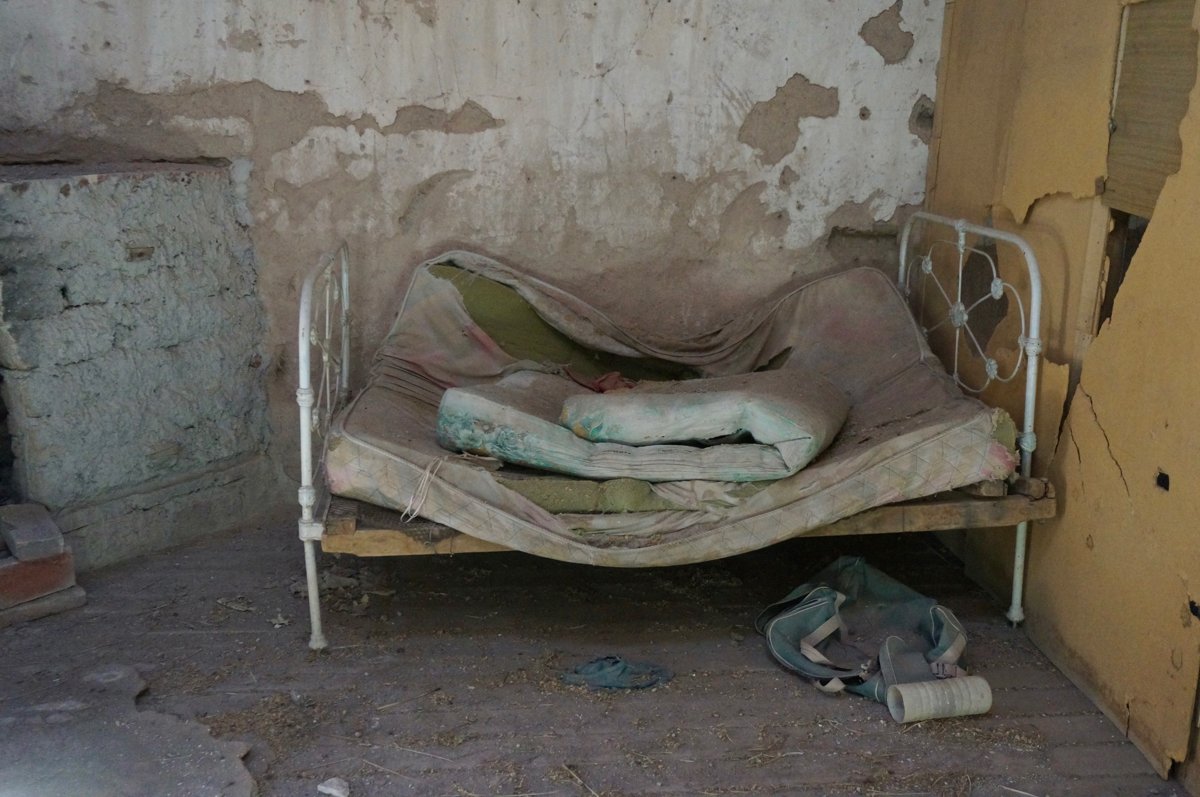
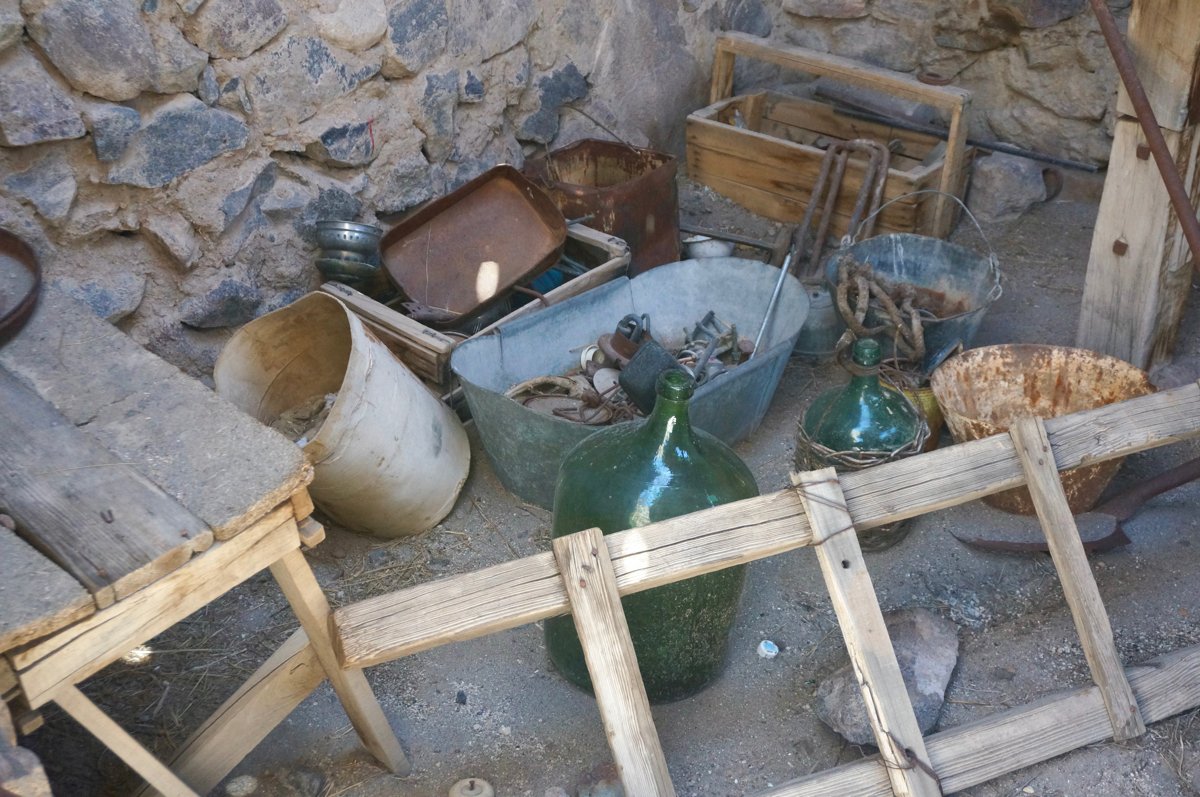
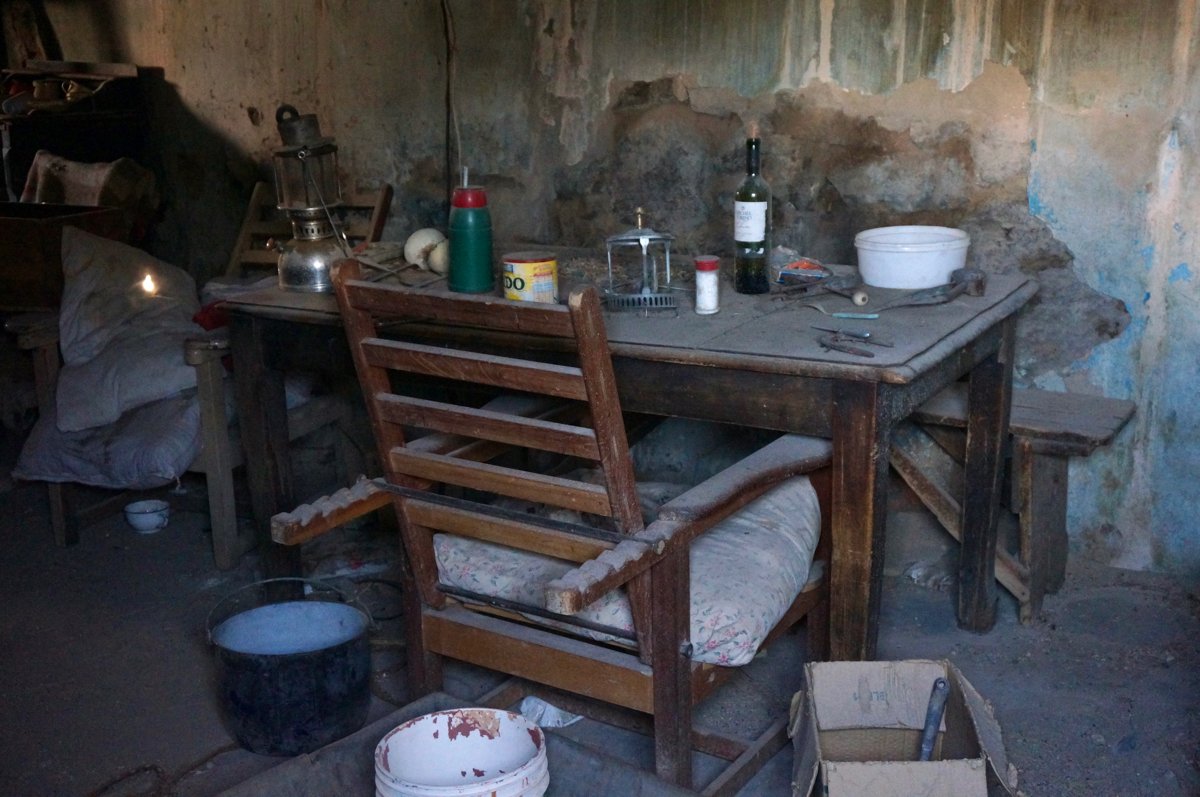
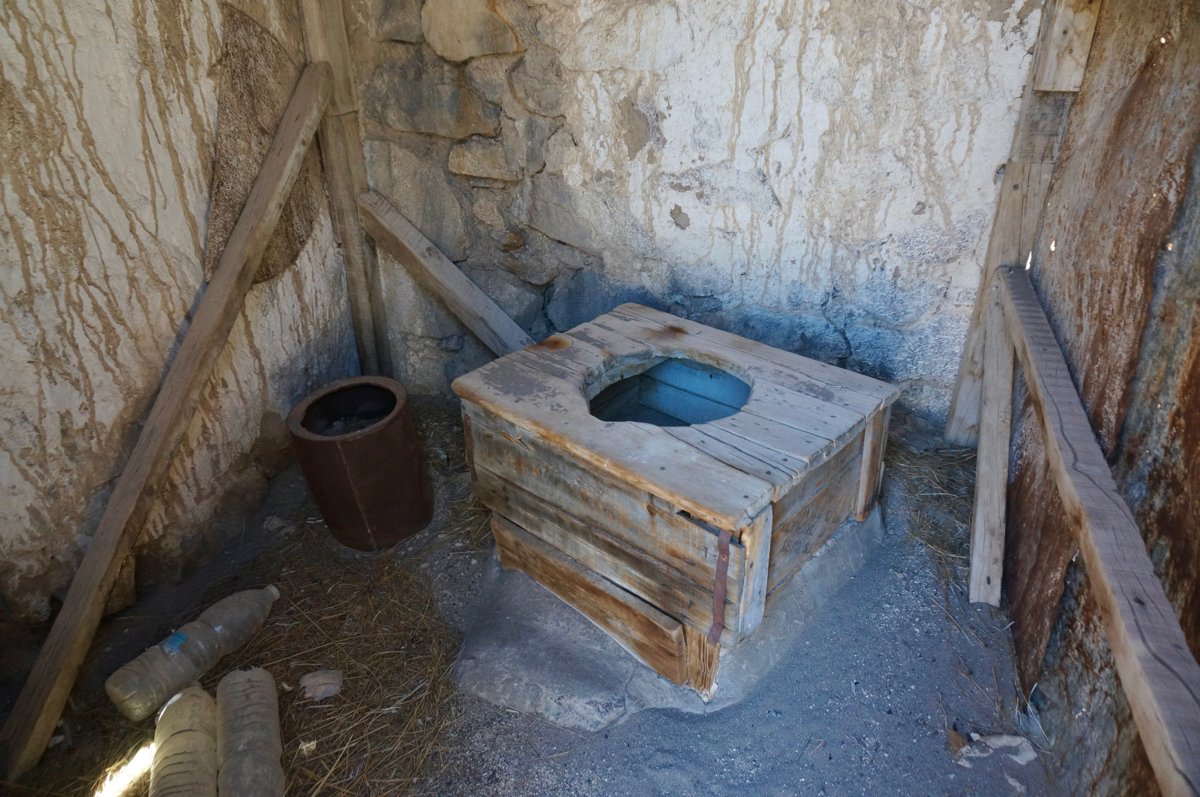
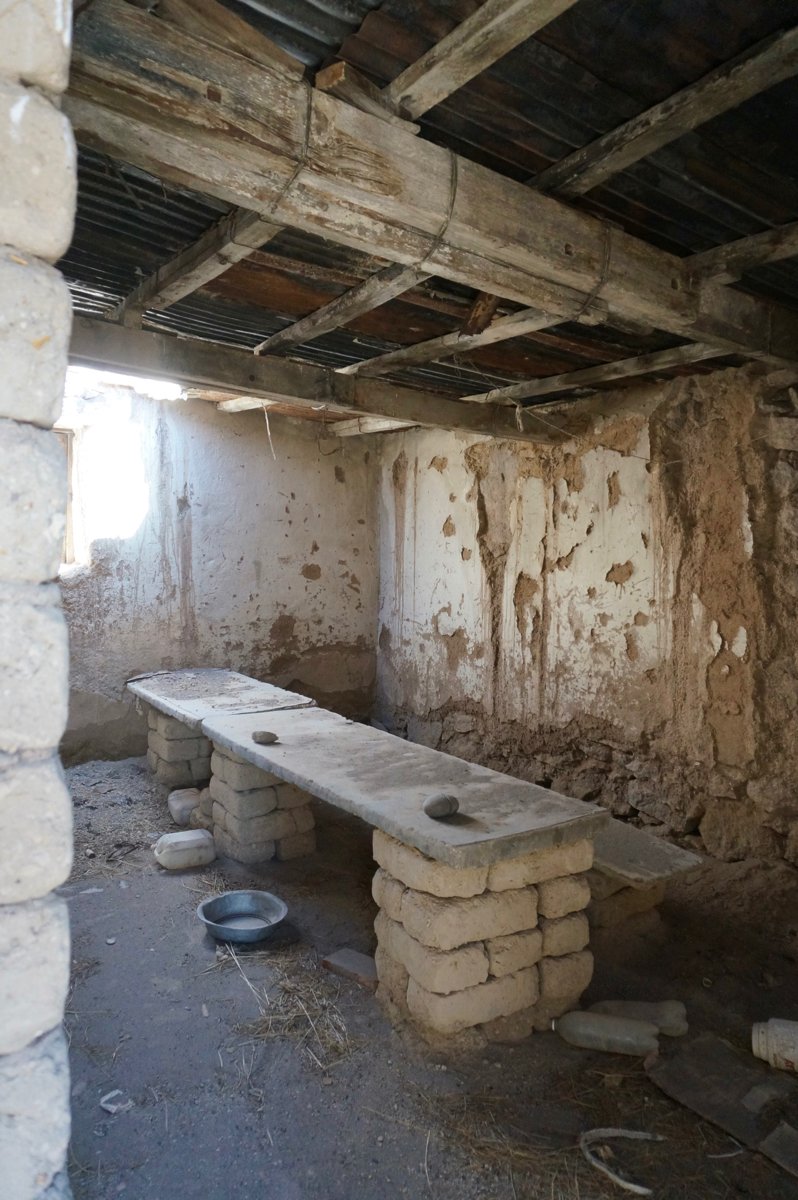
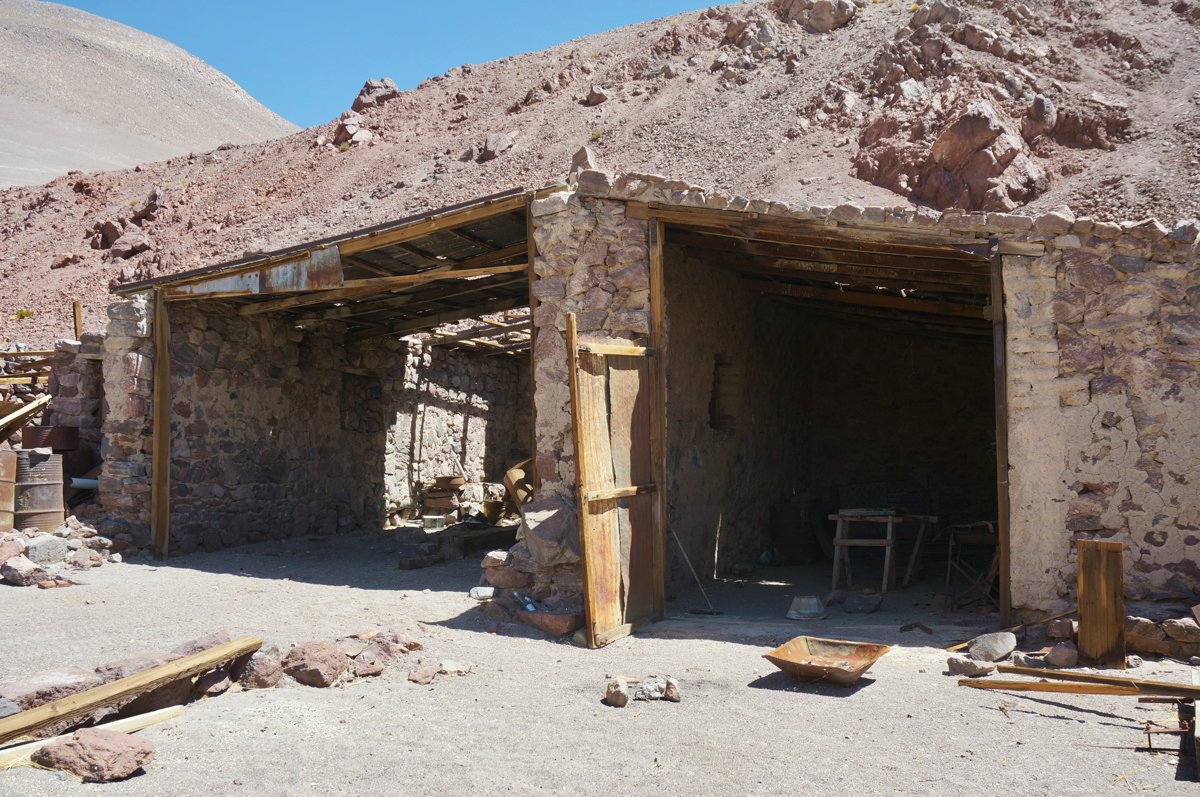
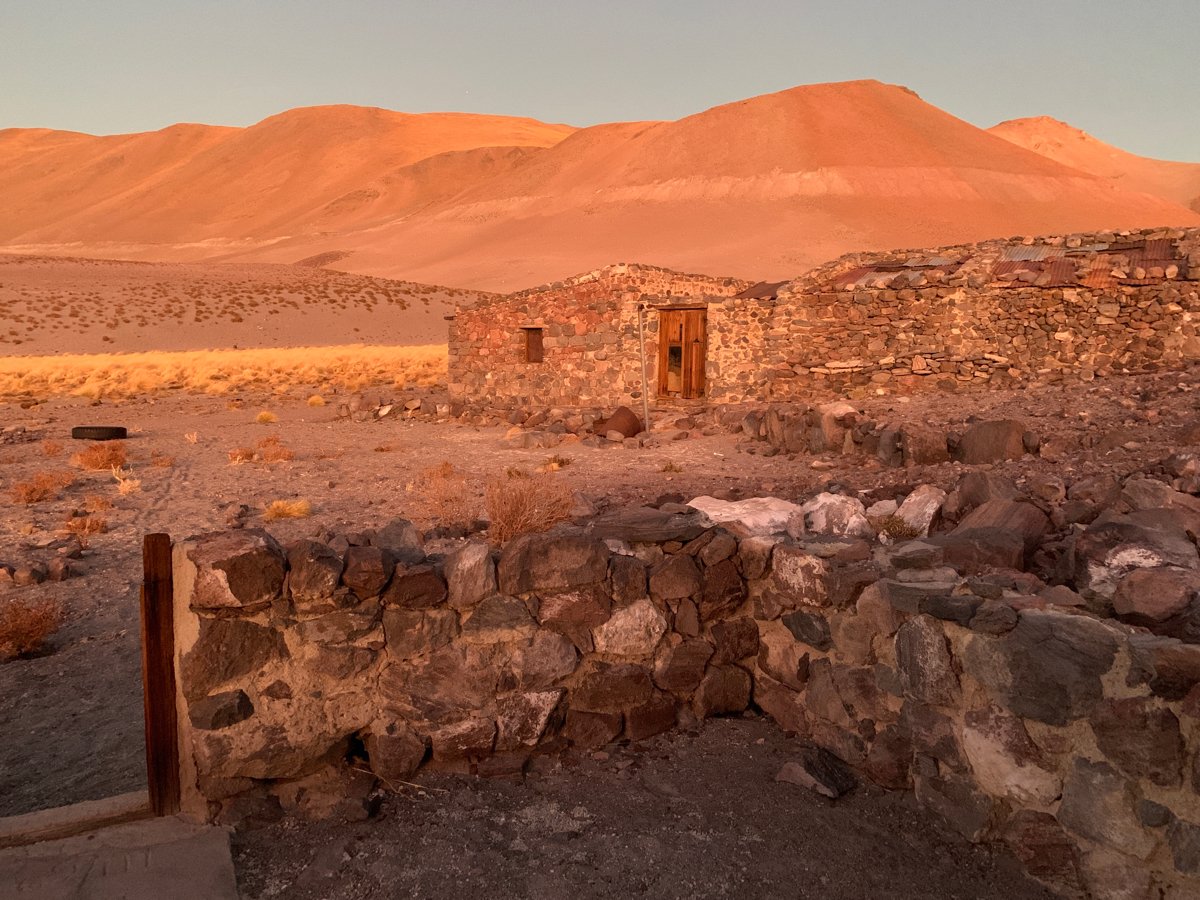
The “town”, now abandoned, was once home to 3000 people. From what I’ve read, sulfur was discovered in the area in the 1940’s, mining went into full operation in the 50’s, and the mine was abandoned in 1979. Over the years, the church has become a Refugio of sorts. It’s a big church, and we each had plenty of room to sort our food and fix gear.

I’ve been thinking a lot since we started this adventure, rolling around the same question I ask myself on every adventure, “why”? Why do I do these big adventures, climb big mountains, hike long trails, cycle remote routes? Each adventure more grand than the last—often remote, difficult, and long? The question is fuzzy, but an answer of sorts has been bubbling to the surface. On one hand, and the part I’ve always known is for the beauty, the discovery of it all, but the other part has come through with more clarity these last few days. Still a bit fuzzy to put into words, but it’s centered on finding comfort in difficulty, which comes out sounding not at all like what it is. It’s the removal of fear. It’s the absolute enjoyment of a moment. The joy of just being. To be thoroughly relaxed in the process. These adventures dissolves my own boundaries, and everything becomes a moment, natural and at ease. It is in the quote from a D.H. Lawrence poem I’ve always loved: “I never saw a wild thing sorry for itself.” It is in the process of these adventures that fear dissolves and the comfort of being a wild animal evolves. There are joyful moments, and difficult moments, but every moment is part of the process and the story—and the more adventures I do, the more the layers of fear and uncertainty dissolve.
It was a relaxing afternoon until the wind picked up once more. It was so loud against the church it sounded as if the building might break apart. I have not made friends with the wind here as I have at home. Here the wind is mischievous, occasionally helpful with a tail-wind, but unpredictable, and even scary at times. It cannot be trusted here. The wind finally mellowed and I slept peacefully through the night.