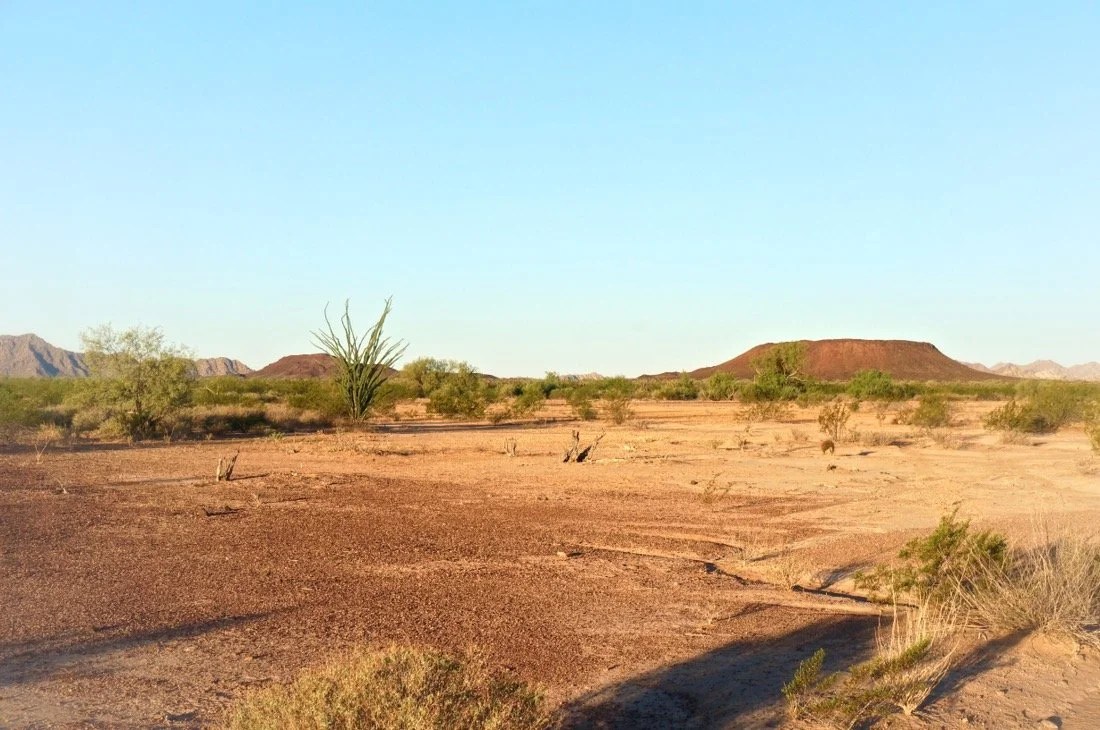
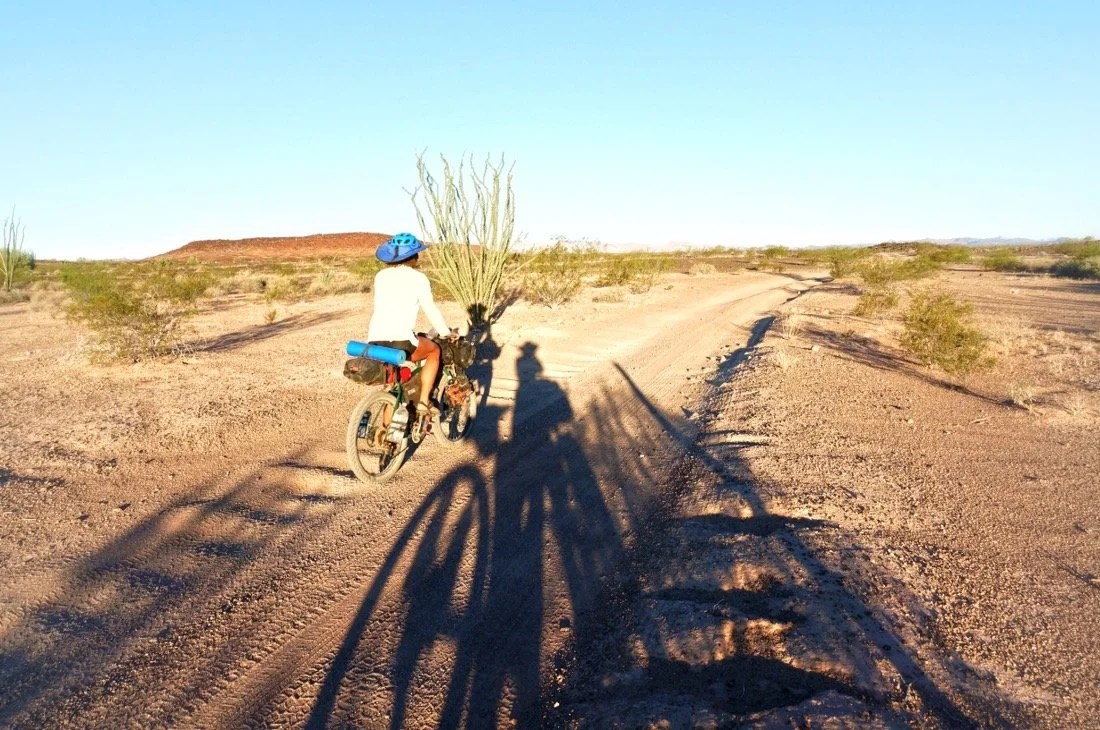
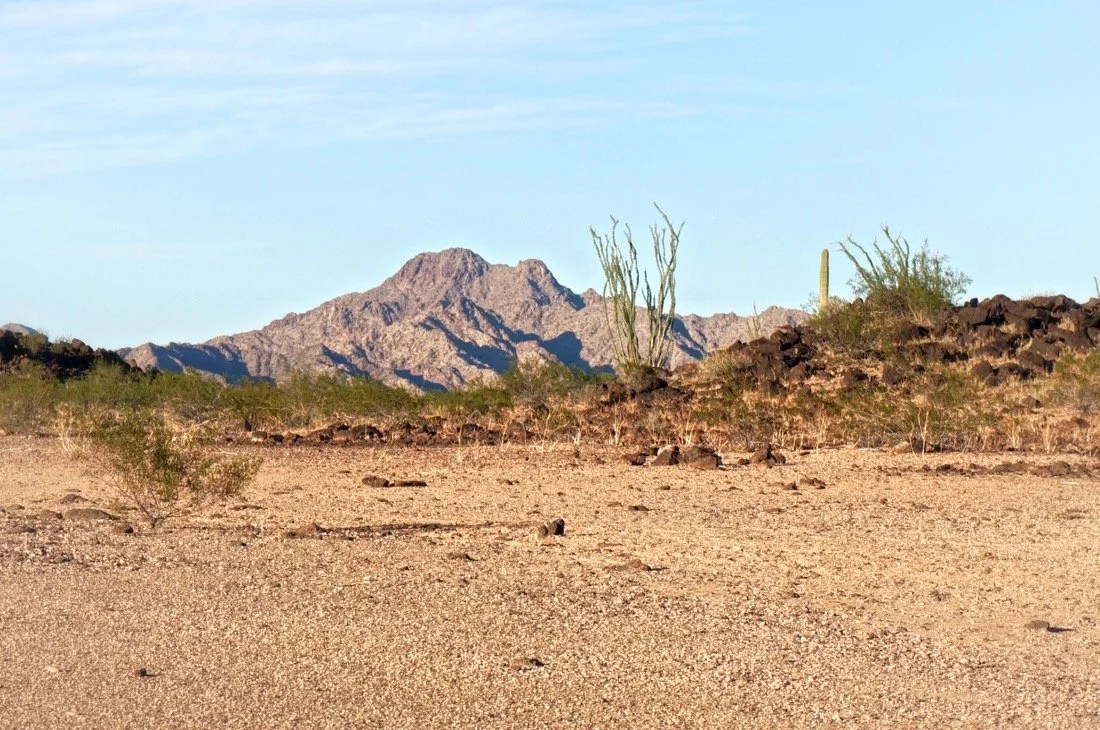
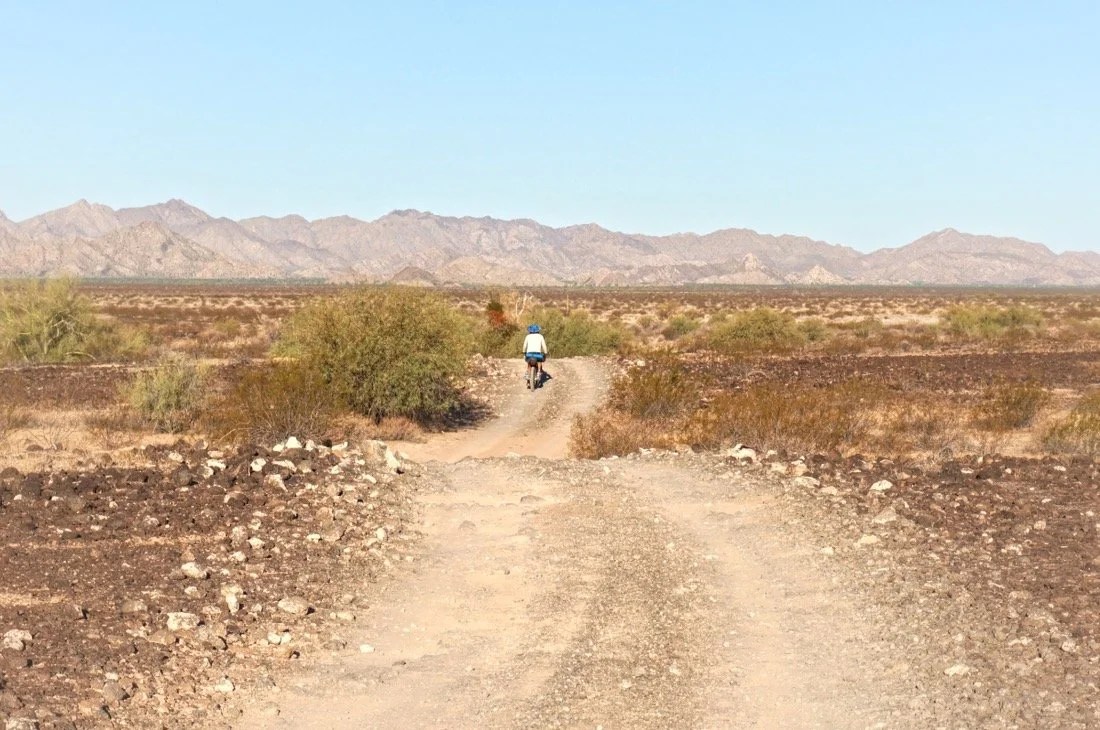
“Tecate to Ojos Negros.”It’s still early in the morning; we ride up to the Mexico port of entry in Tecate, California, and pull off at the last little shopping strip closest to the immigration building for entering Mexico. Every store has a sign that reads “no baños”. Neon gets comfortable on a bench and unpacks his food bag. Hmm, looks like we’re going to be here for a while, I think. I start feeling anxious. There are no bathrooms, and I’m thinking that it could be quite a hassle crossing the border, getting our tourist visas, and maybe they’ll fuss and search the bikes too. I pace back and forth for a minute. Neon gives me that look. I snap a little, and then wander to the side of the building looking for a place to pee. It’s all fenced off. I walk back and ask the lady in the minimart, “where is there a public restroom?” She points across the street at the immigration building for those entering into the U.S. She says, “just go inside and wait for someone coming out of the second door to get in. The bathroom is just inside the second door.” Hmm, I think, just go in a door I’m not supposed to… I walk across the street, enter the building, and try the second door. It’s locked. I stand around for a minute. A guy with a little girl opens the door. He holds it open for me. I see the restroom, and people waiting in line at a counter. I go straight to the restroom. No one seems to notice. I go back across the street. Neon asks where the restroom is. I tell him how to get in. He looks at me, but decides not to go. We snap at each other a couple of more times before wrapping everything up. We’re both anxious about crossing the border. Not the actual border crossing, we’ve done that many times near home, but about the next part of the journey, riding bikes through Mexico (and beyond), but mostly about riding through the border region.We head to the port of entry, and ride into one of the lanes for cars; a guy says something in Spanish and motions for us to go into the building on the right. We lock our bikes to the railing, and go into a little room where we’re supposed to get a tourist visa. The guy opens his desk drawer, and says, “you like honey, or hot sauce …or both?” Um, we’d like a tourist visa. “You don’t like hot sauce”, he replies.” Is it really hot, I ask. “Ah, you like hot sauce. Ok, one hot sauce, or two?” He checks our passports and hands us each a form to fill out for the tourist visas. He sends us back outside to pay for the tourist visas. Another guy checks our passports. We hand him twenty eight dollars, each, for a six month tourist visa; then he sends us back inside the building to give the forms back to the immigration officer. The immigration officer stamps our forms, and our passports, then staples the forms to another piece of paper, and hands them back to us. “Hot or mild”, he says. Neon and I look at each other. He says, “the hot is good on fish, and the mild is really good on eggs in the morning.” Neon looks at me, and then says, “hot”. I nod my head in agreement. The guy smiles, puts one bottle of “hot” hot sauce in a little black bag, and says “that’s $2”. Neon hands him $2 and the guy smiles. And I’m happy too because I notice the “hot” hot sauce says “Chiltepin” on the label, which are the same little hot peppers that grow wild in southern Arizona. We go back outside, unlock our bikes, and head into another door, where pedestrians cross the border. It’s a double door, but the doors are very narrow. Neon goes in first. He struggles a bit, trying to open one of the doors with one hand while maneuvering his bike through the narrow opening. He gets in. I go next. It’s not really working, opening the door and pushing my bike through, which is wider than the door. How’d he do this, I wonder. A guy comes up behind me and holds the second door open for me while I push my bike through. “Gracias”, I say. He nods. There’s an X-ray machine inside, like the ones at the airport. Do we need to take our bags off, I ask Neon. He looks around, but continues walking past the X-ray machine to the exit. There’s a turnstile for pedestrians, and a locked gate. Neon goes back inside and asks the lady to unlock the gate. We push our bikes through, and Neon says, “We’re in Mexico! We’re really doing this thing now, riding our bikes to Argentina.” Now what, I reply. We consult our maps and head down the big road. We pull off at a bank and get cash, relieved that our cards work. Then he goes across the street and exchanges the last of his U.S. dollars for pesos. We ride a little further, and then stop at little shop to get Mexican SIM cards for our phones. We look for hotels on google maps. Neon turns a corner and stops and the first hotel sign we see. “Looks like it will be cheap. Ask about wifi, and a room on the ground floor”, I say. He comes back out and says, “it has wifi, but we have to push our bikes up to the first floor. “Ok, how much is it?”, I reply. About $18 U.S., he says. I smile and say, “let’s get two nights.” We roll our bikes through the ground floor garage. It’s bumpy. No concrete. It’s blacktop like a paved road, but lumpy like they just laid the gravel and tar and oil down over the natural ground surface without leveling it first. Neon pushes his bike up the steps at the back of the garage. I can see he’s struggling with it. The stairs are steep and not evenly spaced. I get my bike up a couple of steps, but they’re too steep for me with the heavy bike. I’m just about to lower my bike back down and remove the bags when Neon comes back down the steps. We push my bike up together. The room is stark, but clean. A bright yellow patterned bedspread gives the room some warmth. There is a mirror on the wall. A frame, of different size and not fitted to the mirror, is screwed to the wall around the mirror. The room has a low ceiling, a big bathroom, and lots of windows. “I like it”, I say. “Let’s go get tacos!” After a round of our first ceviche tacos in Baja, we return to the room, with snacks and Tecate. We open the Tecate and pull out a big map of Baja to review our route. We stay for two days in Tecate, only leaving our room a couple of times. It’s quiet and secure. We study our route, and get comfortable with the idea of just being here, in Mexico. There is something about international travel that leaves, even the simplest tasks, feeling completely unfamiliar to me. Everything requires me to process more. It’s not just the language. It’s everything. The colors are different, the signs, the smiles on people’s faces… it’s all beautiful, and foreign. My autopilot has no choice but to switch off, making me feel like a little girl, relearning the world around her.We pack up and leave early on the last morning, hoping to make it well south of Tecate before camping. We’re nervous about riding through the border region. The ride out of Tecate passes through different neighborhoods, alternating between old dilapidated places with lots of trash, newer construction, and more wild empty spaces. We eventually pop out onto a busy highway, MEX-3, with a long climb to the last minimart before leaving the highway. This is our last place to buy water for the next sixty-five mile waterless stretch. Neon lays his bike down, and asks, “you’ll wait with the bikes while I go in first?” I snap at him, “fine, but don’t take too long.” I’m feeling anxious again because we’re just a few kilometers away from Cañon Manteca, a place where a Baja cyclist was robbed in the past. I wait outside, pacing back and forth, looking in the window of the store for Neon. There is a truck parked near the dumpster on the other side of our bikes. A guy steps over Neon’s bike. A few minutes later a different guy says something, part of it in English and part in Spanish. He wants to pick up Neon’s bike and lean it against the store. I tell him no. He starts to do it anyway. He has an annoying grin on his face. I’m close to him now, telling him no, and I know that “no” is the same in Spanish as English, so he must understand me. He turns his back to me and stands Neon’s bike up. “Oh, that’s so dismissive, I think. I hate that.” I gruff something at him, but he looks pleased with himself. The guy mumbles and motions, something like he wants to put the bike in the truck. Really?, I think, what, does he think we need a ride or something, or is he asking permission to steal our bikes. I glare at him. The guy in the truck says something to him, then waves his hands down low, perhaps like motioning for him to stop, or wait, or something? Their body language is confusing me. Are they drunk? Are they messing with me? Was he really just trying to be helpful by standing the bike up to get it out of the way of passing pedestrians. He has a stupid grin, but his eyes look mean. Not mean like the guy we met in Baltimore, Maryland; that guy had a gleam of hate so deep in his eyes I thought he could kill me with his stare. These guys just seem annoying, more like unruly children, trying to elicit a reaction, just for fun. Neon comes out of the store. I tell him the guy stood his bike up, and that I told him not to, but he just completely ignored me. I don’t wait for his reply, I announce that I’m going in, to pee, and I walk away.When I return, I see Neon crouched in front of his bike. The guys are still there. Neon looks at the guy and tells him to leave. Neon stands up. The guy points to his wallet, and says to give him money. I say to Neon, let’s move to the front door. We start moving our bikes, just a couple of feet, to the front of the building, and the guy jumps in the pickup and they take off in a hurry. That was sudden; I guess they really DON’T want to be seen, but it’s not like we were hidden here. I go in and quickly get my water. We’re both snippy, but mostly quiet now. We look around, up and down the highway, we don’t see the truck. We cross the highway, looking around again, still no truck. We head down a dirt road into Rancho San Francisco. We pass several residences, looking behind us occasionally to make sure we’re not being followed. We stop to check our maps, then start climbing slightly up hill when I see the truck, coming downhill, from the direction we’re heading. That’s them, that’s them, I holler at Neon. They’ve looped around from the highway on a different road. They must have known where we’re heading. Neon continues uphill. I yell at him, “I can’t pedal that fast, I’m going to turn around and head back to the highway.” He turns and looks at me. The truck stops. The guy with the stupid grin, and mean eyes, gets out of the truck. I think, I’m actually taller than this guy, but he looks strong. He directs his eyes at Neon, and says, “give us the money (pointing to his chest where Neon’s neck wallet had been while we were at the store) or we will kill you.” I’m not sure what I heard. But I turn around, back toward the highway, and yell at Neon to follow. Neon looks at me and turns around slowly, glaring at the guy, then pedals, slowly, back toward the highway. I’m pedaling so fast now that my bike shimmies a bit, fishtailing. I look back and scream at Neon to “come”. He is still pedaling slowly. The pickup is following right behind him, slowly, matching his speed. God, these guys are like annoying flies that just won’t go away, I think. No matter, obviously Neon has his own plan. But I don’t have the luxury of strength to calculate such slow movement. These guys have already demonstrated, at the store, that they don’t want to be seen by others, so I start hollering as loudly as I can, “telephoné the policia”, hoping to draw people out of their homes. I look back. The pickup is close on Neon’s tail. Just then I see a big water truck, coming down the road, from in front of me. I start yelling for him to stop. I’m not sure he really gets it, so I start barreling right toward the front of the truck, waving, and pointy behind me at the other pickup. He has no choice but to stop, or he’ll run me over. Neon catches up to me and stops. The little pickup races by us. I glare at the guy with the stupid grin, and yell a bunch of profanities in English at him as they pass, and think, I really need to learn some Spanish profanities. They stop for a minute when they reach the highway, looking, but we’re still with the water truck, so they leave. After the water truck leaves, we wait around for a while, eventually talking with several locals. I get to hear Neon’s version of it all. Jeez, I think, it’s probably a good thing I didn’t understand everything the guys said. The locals are all surprised by what had happened. One rancher offers to let us ride through his land, and camp there for the evening, and he helps us phone in a report of the incident with the local police. After about an hour, it seems like we have the whole ranch area out in the road, for what probably looks like a neighborhood watch meeting. We hang out with the locals for a while, then decide to continue on with our route. We ride for a couple of hours, looking over our shoulders at every turn. We stop for a minute. Neon turns to me, and says “lista”. What?, I reply. That’s “ready” in Spanish, he says. “Oh, ci, lista,” I say. We meet a couple of motorcyclists, from California. One of them had lived in Columbia for a year, and the other one had spent an entire year bicycle touring around Africa when he was twenty four. We tell them about our thru-hikes, the banditos at the mini-mart, and our plans to ride to Tierra del Fuego. One of them comments, “Well, just be thankful you two found each other, so you can do all this crazy stuff together.” After parting ways with the motorcyclists, we find a place to camp, out of sight, in the bushes, up on a rise. We relax, taking deep breaths to let go of the day, as we watch the sun set under the Mexican sky. I hold up a little painting I’ve been working on, and take its picture. The clouds glow pink, as the big yellow ball disappears below the horizon. I toss and turn a lot in the night, twitching at the sound of every passing vehicle. At one point, I wake to the sound of a loud vehicle, with a very bright search light, swinging around, lighting up the hillsides. Neon says, “maybe that’s the police, out making their rounds to keep the ranch area safe.” Maybe, I reply, but I’m not going to look to find out. We get an early start the next day. Up hill, then down hill. At the start of another climb, Neon turns to me and says, “lista?” I reply, “Lista, trabaja. Is that right?”, I ask. He says, “lista para tabajar, is what I think you want. Ready to work, well actually, it means ‘ready for to work’.” Hmm, I say. That makes no sense to me. You’re either ready “to work” or ready “for work.” But what ever, “lista para trabajar,” I stumble with the pronunciation, and begin pedaling up the hill.There are more motorcyclists. and dune buggies, out riding than the day before. They slow down, and wave, when they pass. Different than the U.S., where I tend to be annoyed by stinky, loud, off-roaders, I take refuge in their presence here, feeling more secure when they are around. Our hackles lower, and moods continue to rise as the day goes on. We feel more and more at ease as we get further away from the outskirts of Tecate. We ride past ranches, up over rolling hills, and down through washes where the oak trees get big, and lush, and green. The bouldery hillsides turn more mountainous, with solid slabs of granite on the ridges and summits. After a long day of climbing we find a nice place to camp, out of sight, in a grove of tall pine trees.The night is cold, and we get a late start into the next day. After a gentle climb, through an extended burned area, there is an easy downhill, all the way to Ojos Negros. We ride past agricultural fields. There is a sweet fermented smell in the air. What is that smell, I wonder. I see a pickup in the road, and a few guys nearby in the field putting something into big black trash bags. I stop to take a closer look. Now I can see that there are broken watermelons in the field, cracked open like eggs. The guys are gleaning the leftover good watermelons. We continue past the edge of town. There are more fields, with people, hunched over, doing something in the rows. We ride through the middle of town, past shops and eateries, then turn and ride to a cute little hotel on the north side of town. There is a grocery store, and a school, across the street. It feels homey here, I think, and I wonder if they’ll have local watermelon in the store._____________________You can sign up to receive The Redheaded Nomad’s blog posts in your email inbox; sign up at the bottom of any page on my website: theredheadednomad.comYou can also follow me on Instagramd @theredheadednomad and on Facebook @redheadednomad_____________________Arriving in Mexico…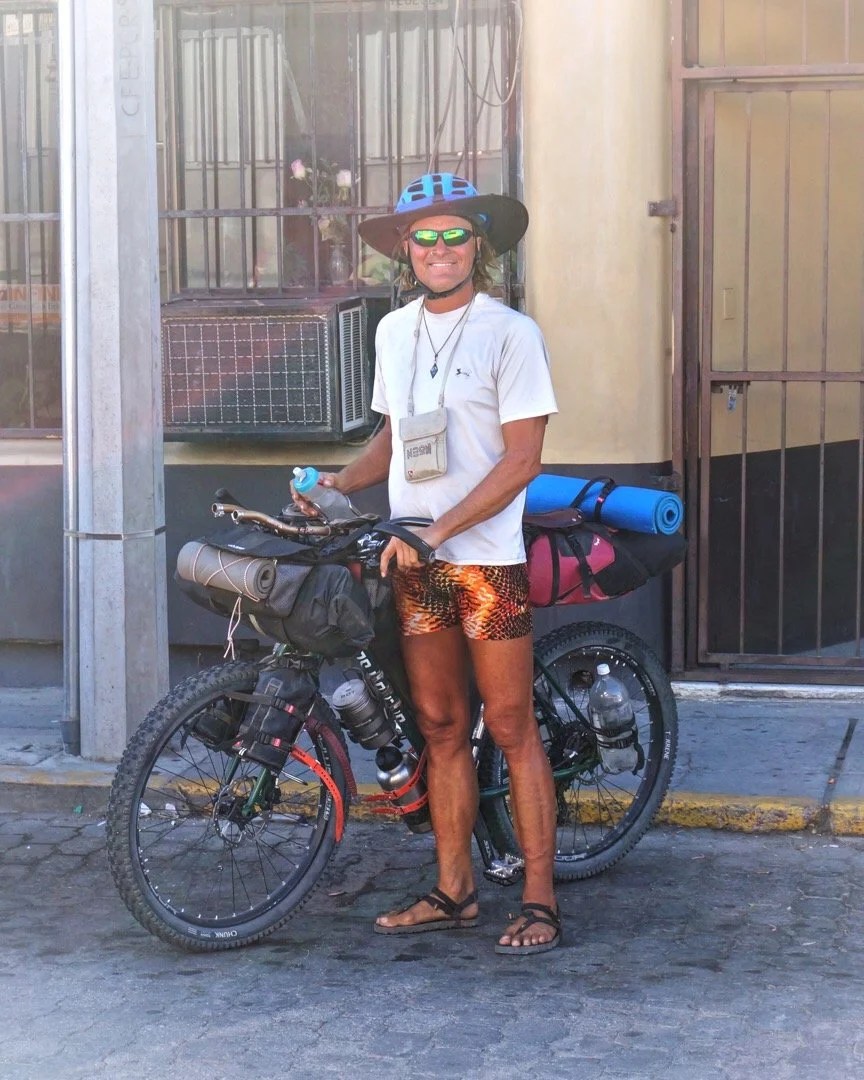 ____________________Heading out of Tecate…

 ______________Day one…
 ______________Relaxing & watching our first sunset in Mexico…


 ___________________Day two…


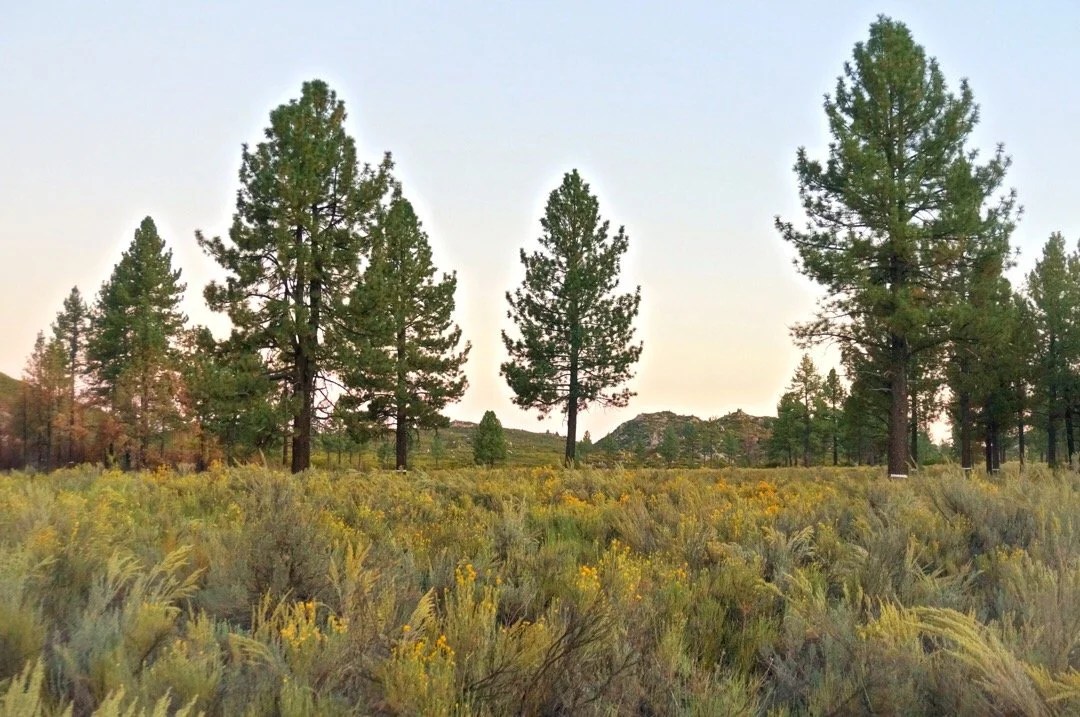
 ______________Camp, night two…


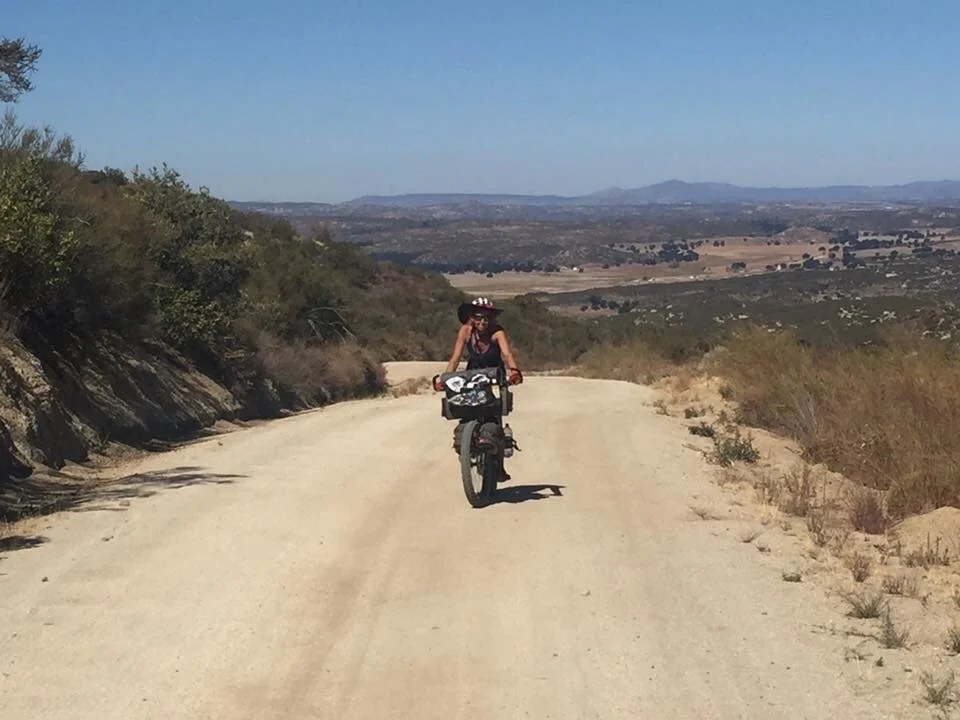
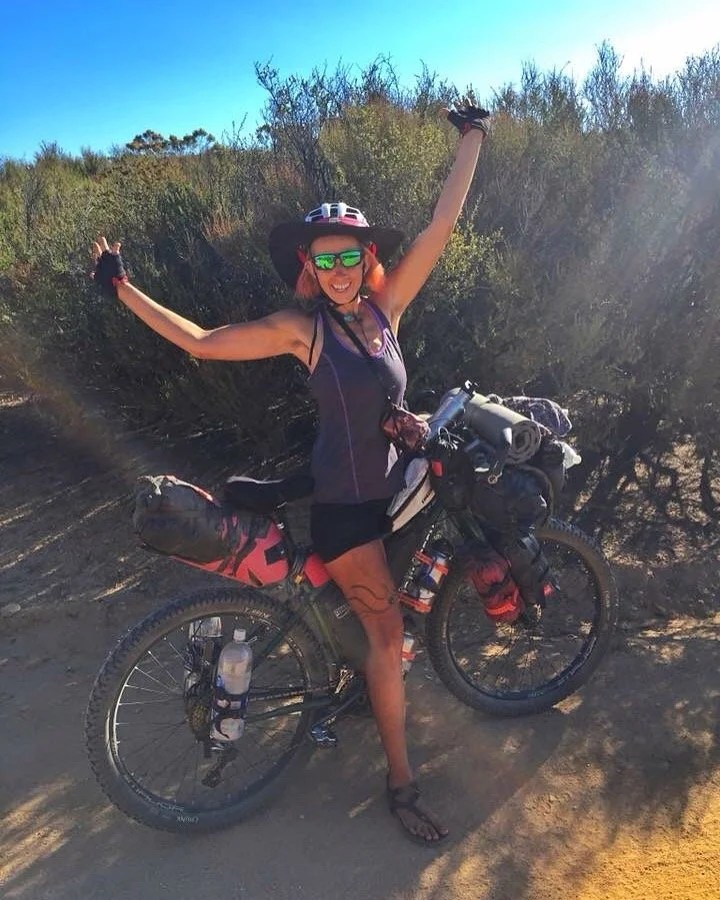
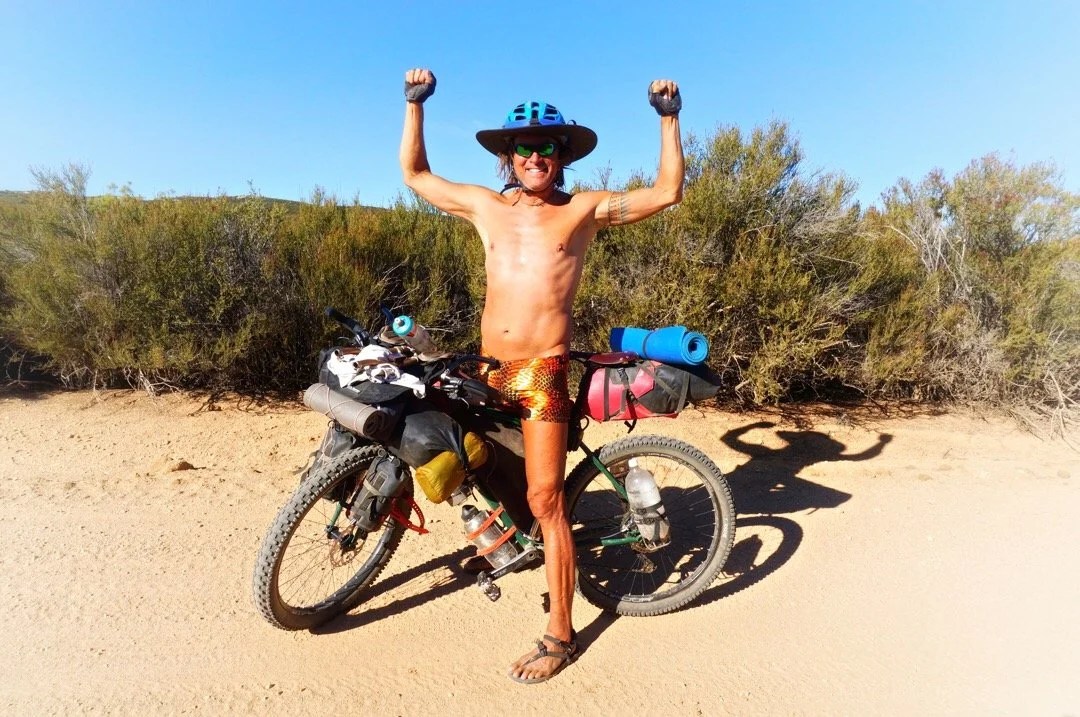
 __________________Feeling strong at the highpoint on the Baja Divide…
 _______________Descending down to Ojos Negros…
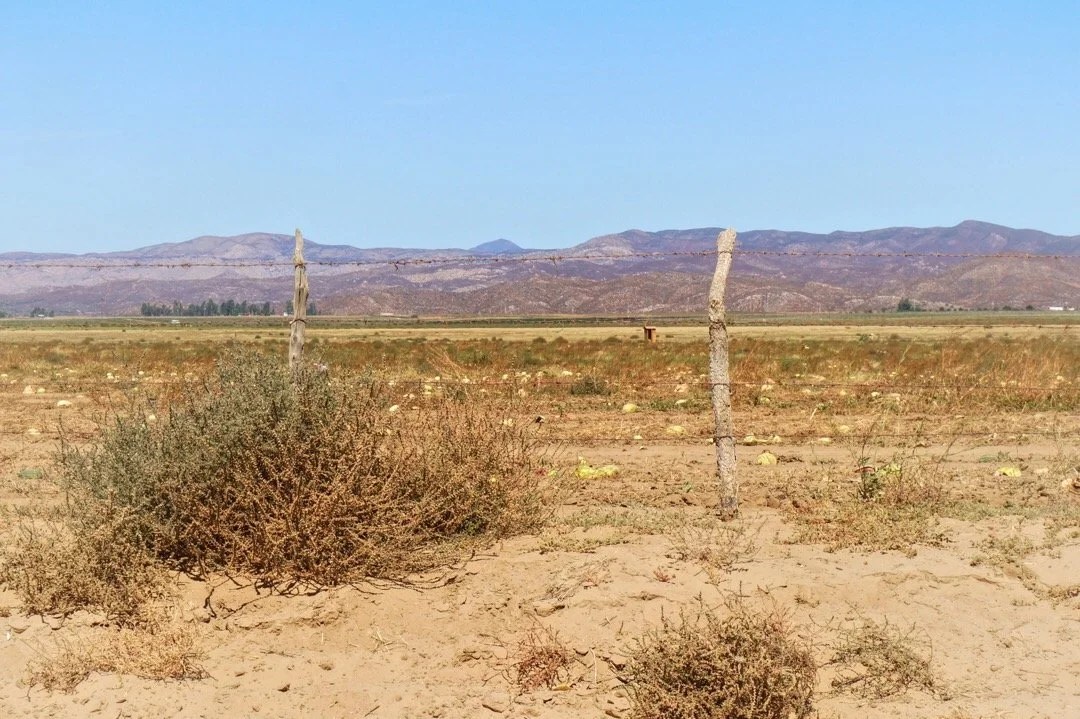
 ___________Fields of broken watermelons….
 _____
Tag: The Redheaded Nomad
-
Baja Divide 1: Leaving Tecate
-
Reflections from the first 1000 kilometers
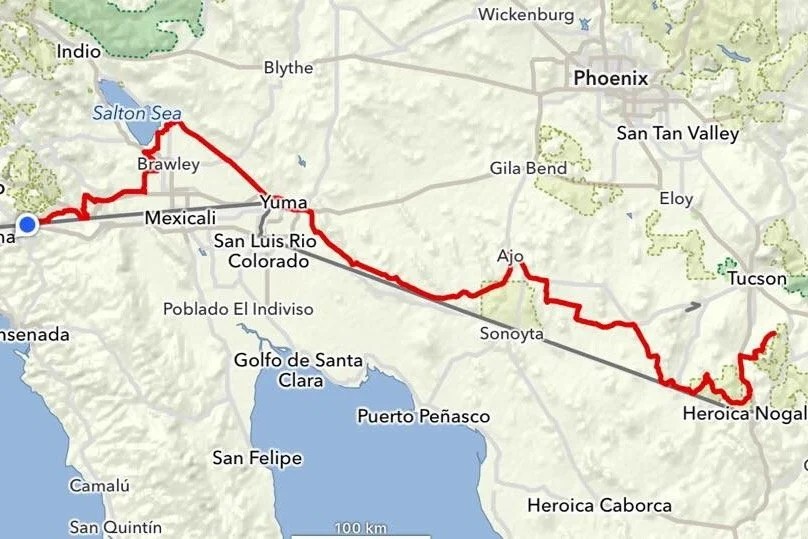
Reflecting back on the first ~1000 kilometers… Wow! It has been quite a ride so far. Starting right off with the Elephant Trail in the Santa Rita Mountains, then riding along the Arizona Mexico border on Ruby Road, through Tohono O’odham land, then El Camino del Diablo, crossing into California, then north to Slab City, the Salton Sea, transecting Imperial Valley, and then the abandoned Carrizo Gorge railway. There was catclaw, major “hike a bikes”, “illegals” running by in the middle of the night, big hills, border patrol, sand, sand, and more sand, and did I say sand, highway riding sucks, so much trash, farmland smells really bad, so much wind, train tracks, and then “the border crossing.”The weather was much hotter when we started than what we had wanted, consistently over 100°F by a few degrees. I went through a lot of homemade electrolyte salt mix, a lot. I was so hunger the first week. My thighs we’re so tired. My hands hurt. My arms hurt. Now I feel strong. I can pedal uphill longer. I’m not as hungry. And nothing hurts. Our Advocate Cycles Seldom Seen bikes are great, super tough, light, and roll over anything. Long story kept short, we’re having an awesome time, and are really loving journeying on bicycles. As a side note, I’ve added a gear page to my website. You’ll find it in the main menu.________________You can sign up to receive The Redheaded Nomad’s blog posts in your email inbox; sign up at the bottom of any page on my website: theredheadednomad.comYou can also follow me on Instagram @theredheadednomad and on Facebook @redheadednomad_________________Because maps are cool. Here’s where our first ~1100 kilometers took us from near home in the Santa Rita Mountains of southern Arizona to the border town of Tecate, BCN, Mexico. zigging and zagging along the Mexican border from Arizona to California, and into Tecate.
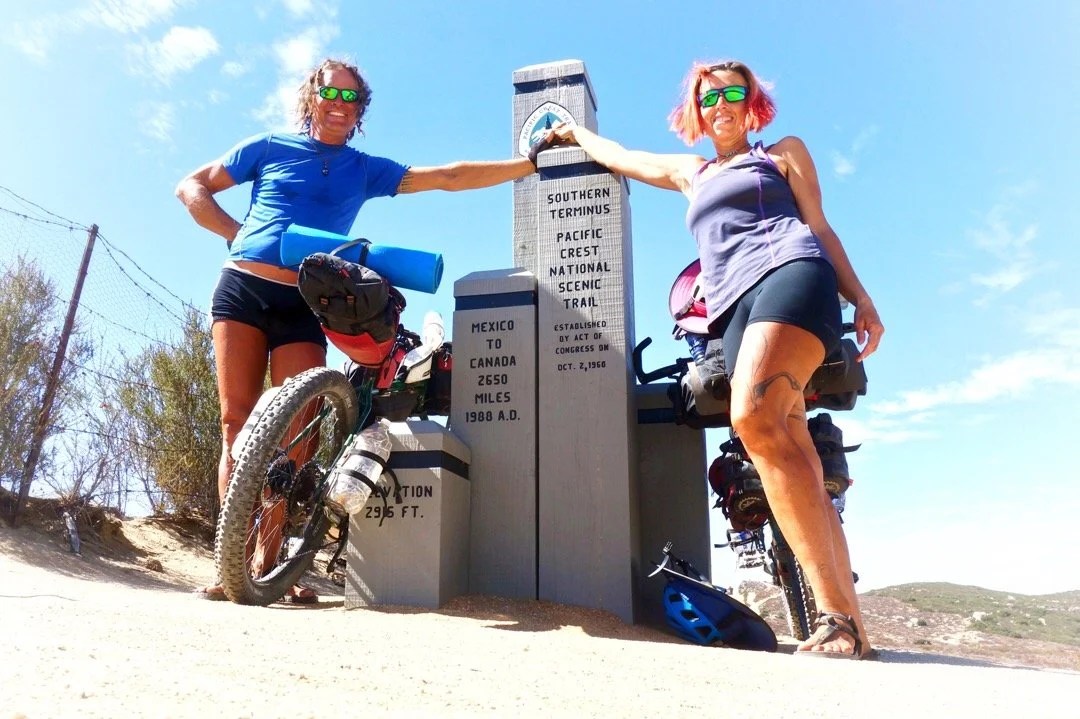
 ____________________We stopped by to see an old friend, the Pacific Crest Trail southern terminus, on our way to Tecate.
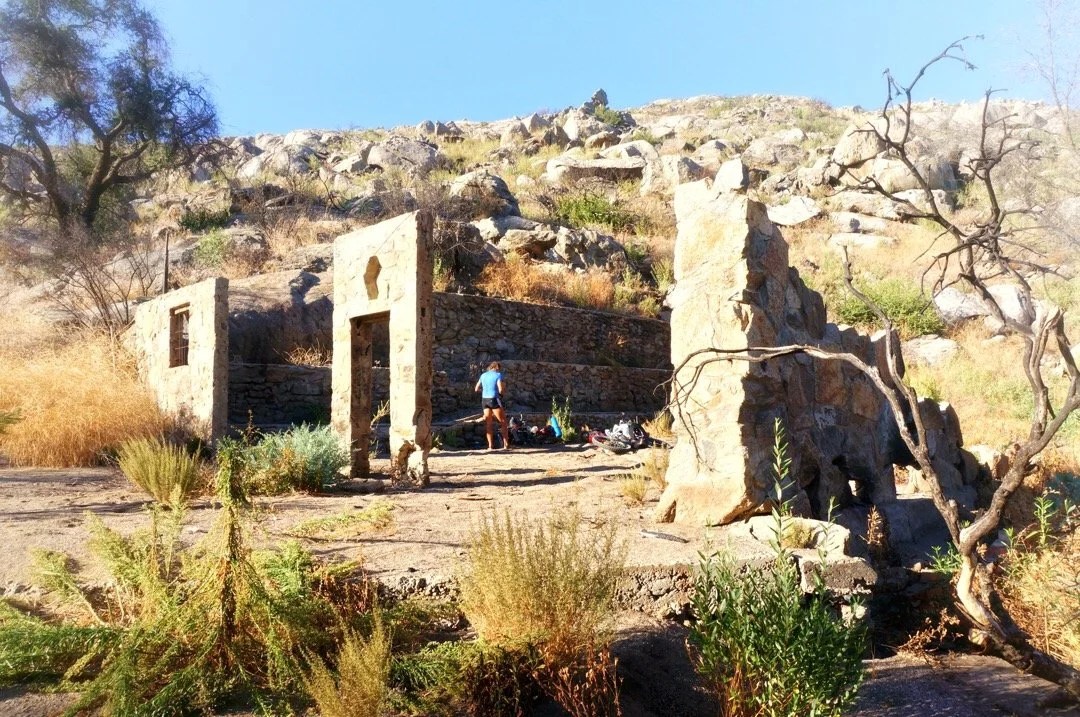
 _________________We had a hard time finding a wild camp on our last night in the U.S. But we found this abandoned old stone building, squeezed passed a gate, and had long discussions about our trip so far and what Mexico might be like…
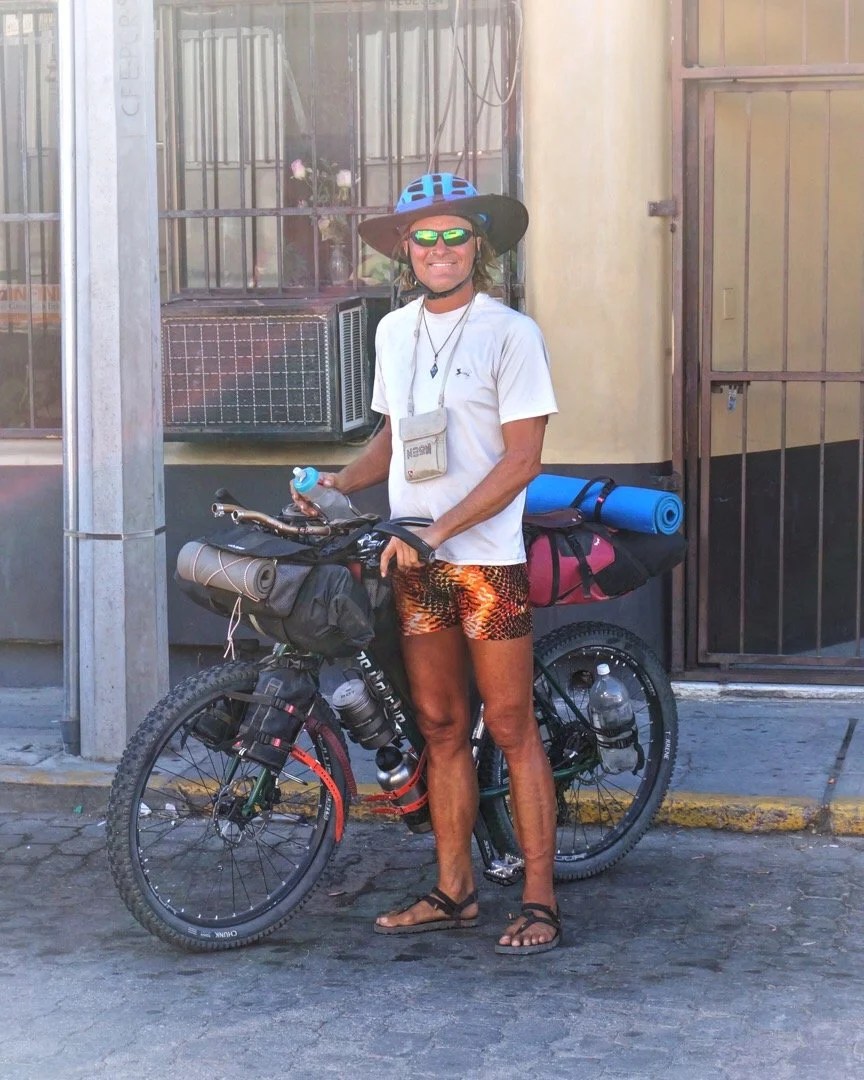
 ________________Easy border crossing. The immigration officer sold honey and hot sauce for US$2, from his desk drawer. We bought hot sauce, and a six month tourist visa.
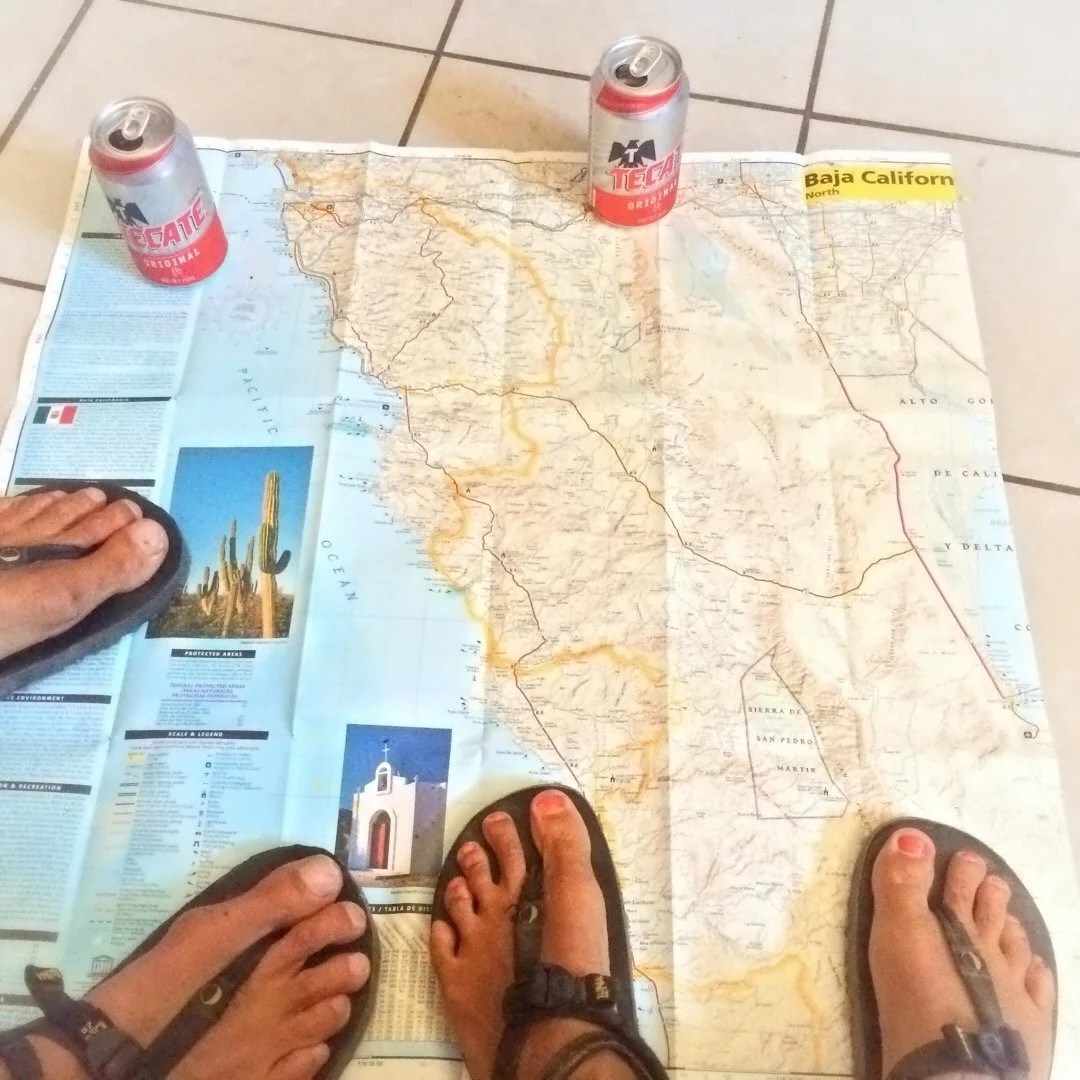
 _______________After pushing our bikes up very steep steps into a cheap hotel room, we enjoyed a round of ceviche tacos. Then we bought some Tecate beer, and reviewed our planned route through Baja.
-

El Camino del Diablo
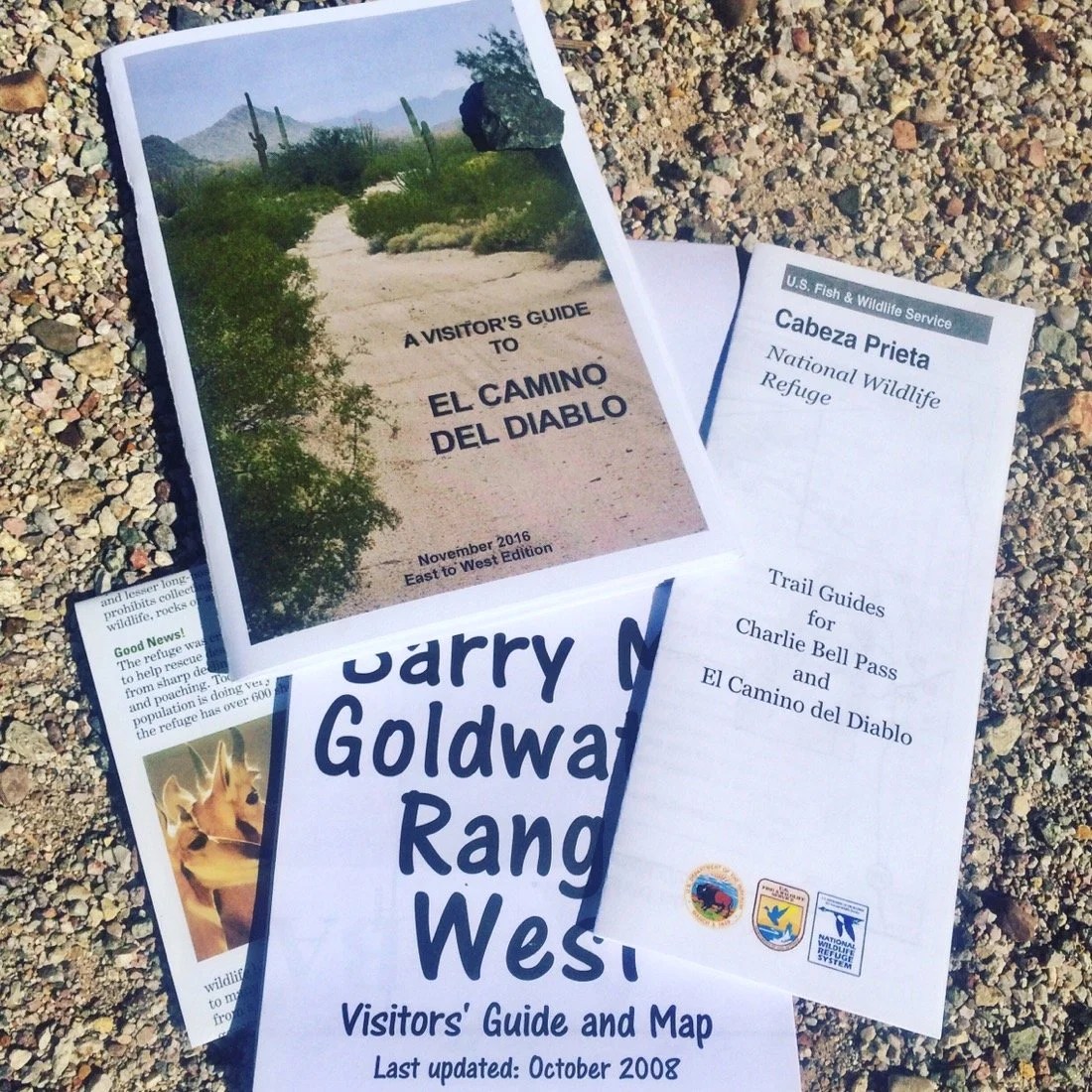
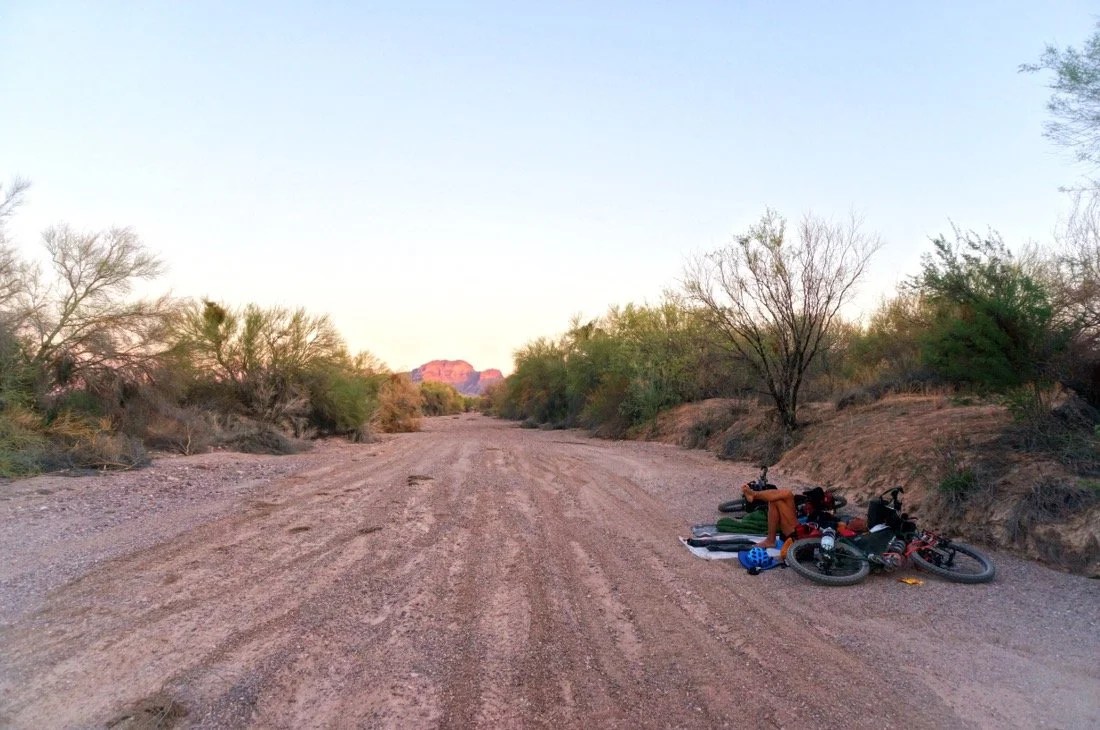
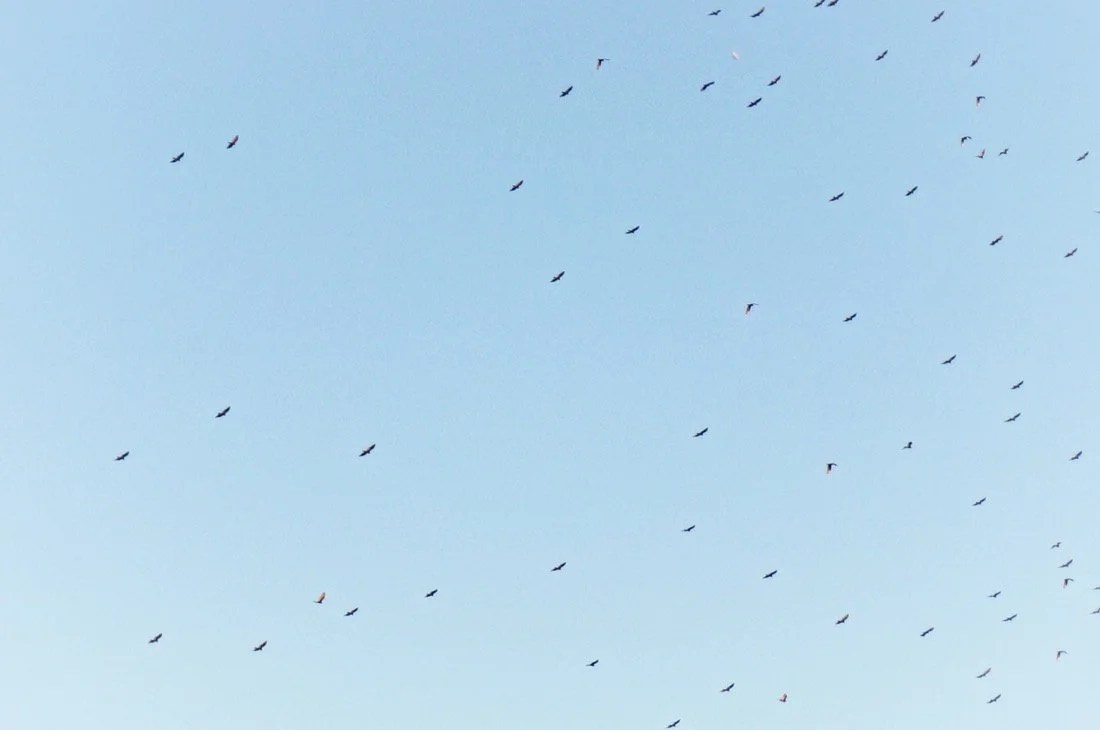
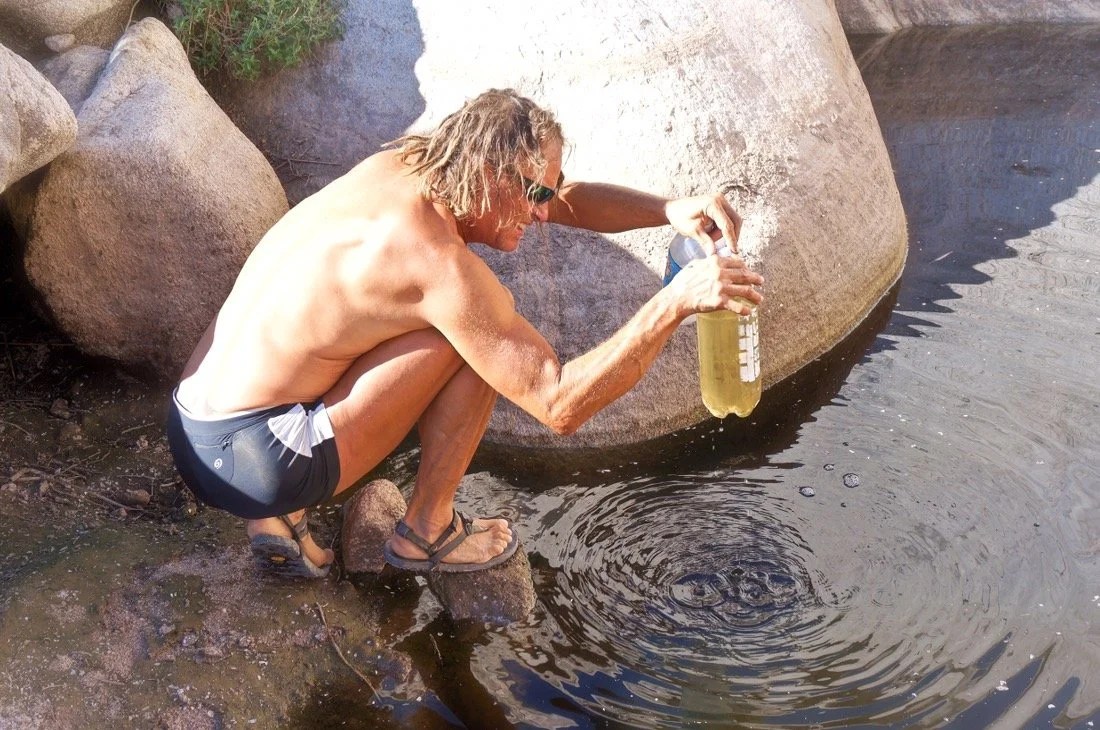
Centuries ago, El Camino del Diablo was a network of footpaths that led to water, sacred places, villages, and hunting grounds. These footpaths spanned from Sonoyta, Sonora to Yuma, Arizona. Today, the Camino del Diablo is a ~210 kilometer road that spans a remote section of the Sonoran Desert from Ajo to Yuma. The road travels across Organ Pipe National Monument, Cabeza Prieta National Wildlife Refuge/Wilderness, and the Barry M Goldwater Range (West). The land encompassing the Camino del Diablo (The Devil’s Highway) became part of the US, after the Gadsden Purchase, in 1854. In recent history, prospectors, in search of gold and other treasures, prospered and perished along the Devil’s Highway. Today, it is a remote recreation destination for the adventurous tourist. It is also a perilous route, taken by many, in hope of making a new life in a new land. After hearing much about this route from friends, and internet sources, that talked up its remoteness, mystique, history, and danger, and being the desert rat that I am, I was eager to see what it was all about. And it did not disappoint.We left Ajo in the late afternoon. The dirt road leaving the highway was in good shape, and we made forty-five kilometers well before sunset. After chatting with a border patrol agent about where best to camp, we set out away from the mountain features of the landscape to find a place to camp in the flat open desert. Before the flats, we came upon Growler Wash, and lured by its shade, we picked a spot to camp under a Palo Verde tree. Just before sunset, I saw a group of birds, then more birds, and more birds, big black birds, black vultures, flying over and along the wash. They kept coming and coming. I’d never seen so many vultures together like this before. There were hundreds, and hundreds, and more flying in …at least a thousand vultures descended upon Growler Wash. I love vultures, so I was thrilled. It felt so special I though I might cry with excitement over this experience. Why were they all here? Is this where they have always come? Is this a migration path? Do vultures migrate? Did a herd of cattle die beyond these trees? Maybe they just came to say hello to me, to watch over me in the night? They were flying around a bit, a few here, a few there, landing in and out of trees before settling in to roost for the night, right where we also decided was a perfect place to camp. It was magical. I watched them settle on a branch, flip out their wings, giving them a little wiggle and shake, and then tuck them in close to their bodies; then they tucked their neck down into their shoulders. I turned to Neon and said, “they won’t peck at us, thinking we’re dead, after we fall asleep, will they?” I was so tired, and felt so secure in their presence, I fell asleep within minutes of watching them all settle into their trees for the night. Upon waking, in the pre-dawn light, I could see that they were still perched in their trees. What a wild experience, I thought, one I never would have imagined, and yet here I was having a slumber party with a thousand vultures on the Devil’s Highway. We gathered up camp and rode off into the morning wondering what the day might bring.We cruised into Papago Well, arriving well before noon. We filled our canteens and settled in under a shade tree for a long afternoon siesta. A few other tourists passed through while we were there; they asked about our bikes and our journey, and were impressed that we were out here so exposed in such a remote area. It was a hot afternoon, hotter than we were hoping it would be. It was 40°C in the shade. I sucked down two and a half liters of water during our three hour siesta in the shade. We set out again just before 3:00 pm. In the next two hours I drank another three liters of water. We camped in the Pinacate Lava Fields. The plants were sparse, but lush and green through here. A mosquito sang in a my ear, and a deer passed nearby. The surrounding mountains, pale desert floor, and black lava boulders glowed in the pink hues of the setting sun. We could hear trucks and other traffic on Mexico hwy-2 to the south. A few birds flew through camp as we settled in for the night. I only peed once, a small pee, before falling asleep and I wondered, “what happened to all that water I drank? Did I sweat it all out?”We woke early. It was still dark out, and we got an early start hoping to beat the heat. Later in the morning we rested for a bit in the shade. A newish, shiny, black pickup approached from further down the road. It stopped twenty five meters shy of us. A guy got out and started ducking down, peering through the bushes. I couldn’t really see him, but I could make out that he was wearing khaki clothing, and skulking through the bushes. I turned to Neon and said “this is really creepy, what’s he doing?. Then the guy said something really weird, like “bigdity badity boe”. I was like “What? Can I help you?” He said something weird again, like “baggity bee.” I said “I don’t understand you, what’s baggity bee, what do you want?” He said something weird again and I turned to Neon (who is fluent in Spanish) “did you understand that? It doesn’t sound like Spanish to me. This guy is really creepy.” Neon replied, “I have no idea what he’s saying, maybe it’s some kind of Indian mix.” Then Neon said, loudly, “Who are you?” We still couldn’t really see the guy, but he answered in English (finally), “US Fish & Wildlife.” Then I said, “you can’t just sneak up on people through the bushes acting all creepy. He said he wasn’t being creepy. And I replied, “biggity bee, that’s weird, and you were sneaking up through the bushes. You can’t sneak up on people, acting all creepy, and expect people to not be creeped out.” Then he demanded to see our permits, and then demanded to see our ID’s, asked us where we entered, and if we were going to Yuma. And then he left and said “enjoy the rest of your trip.” It was such a creepy experience, one that as a woman, had I been alone, one more “biggity bee” and I might have started running, away from the creepy guy in the bushes. And a guy like that probably would have started shooting.It took a while to shake off that weird experience, but we made it to Tule Well, watered up, cooled off, and had a nice siesta until three o’clock again. We rode for a ways, past Cabeza Prieta Peak, then chatted with a border patrol for a few minutes. He was impressed by our journey, asked about our bikes, laughed a bit about our experience with the US Fish & Wildlife guy, and said “eh, Fish and Wildlife doesn’t really like us either.” We passed another border patrol shortly thereafter. And then a third border patrol, who was very concerned if we had enough water. He gave us a number to call, when we get to Yuma, to let him know that we made it through the desert safely, and then insisted we take a 1 1/2 liter Smart Water with us, even though we told him that we left Tule Well with 9 liters of water each. Neon said “oh, it’s cold”, and then I said “if it’s cold then you have to share it with me.” We rode on, found a place to camp, nestled in with tall Saguaros, and watched the sun set. Later in the night I woke to a very, very, low flying plane that was suspiciously quiet, and like nothing I’d ever seen before. My first reaction was to duck for cover, and then I remembered that I was already lying flat on the ground. Two more planes flew over. All I could say was “whoah, it’s like I’m in a Star Wars movie or something.” Neon said “ghost planes”. For flying so low they were amazingly quiet, I replied. They were like sleek, black, stealth planes. I’ve never seen any like them. They had green lights on the underside of their wings, tail, and front. Probably so they didn’t hit each other, I thought. It seemed weird since we we’re still in the Cabeza Prieta Wilderness. Then I remembered that even though this is Wilderness, it’s still private airspace here. When we woke the next morning, I said to Neon, “I really like the pace we’re riding through here at. We’ve seen so much …those weird planes, the vultures, all our interactions with other people. It’s really cool. It has been a good speed our whole bike journey so far.” Neon added, and yet we’re still moving fast enough that it doesn’t feel slow. And then he said, I really think this is what people think the Arizona Trail is like: border patrol, gaggles of vultures, “illegals”, and ufo’s passing in the night.”We set out for the day, next stop, Tinajas Altas (High Tanks), pockets of water in large holes/basins in the smooth rock in the Tinajas Mountains. We left the Cabeza Prieta Wilderness and entered the Barry M Goldwater Range. The sand was a little tiring to ride through this morning, but we made it to High Tanks in time for second breakfast. I got three liters of water. The water was a little yellow-ish, but had a fresh, earthy flavor. Neon said it tasted like “sheep poop”. Whatever, I said, “it’s way better than that soapy, salty, tasting water from Tule Well.” We left High Tanks and rode across Tinajas Pass to the west side of the mountains heading toward Yuma. We stopped for a siesta under a Palo Verde in a wash. It was a nice soft sand, and Neon said it was like we were at the beach. I said “yeah, except without the water.” After our siesta, the sand got bad, the worst we’ve had so far. We pushed our bikes, and pushed some more. It was getting late and we finally gave up and rode on the north side of the road through the desert. We fell a little shy on of our usual kilometers for the day and camped near the entrance to Spook Canyon. We could see the lights of Yuma in the distance. I fell asleep watching the alpenglow fade on the Tinajas Mountains.The wind blew through the night. It was hot and I dreamt about fizzy Italian wine, Lambrusco, and organic strawberries. We woke early, in the dark, excited to get to Yuma. The miles through the “not so bad” sand were tiring, but passed quickly. We made it to the outskirts of Yuma to a Fry’s (grocery store), around 11am. I bought Lambrusco and organic strawberries. I ate the strawberries immediately, and then decanted the Lambrusco into my Klean Kanteen. It fizzed and spurted out of the Kanteen as we pedaled across Yuma to a hotel on the other side of town. Riding on pavement is like hyperdrive, the kilometers go by at the speed of light._________You can sign up to receive The Redheaded Nomad’s blog posts in your email inbox; sign up at the bottom of any page on my website: theredheadednomad.comYou can also follow me on Instagram @theredheadednomad and on Facebook @redheadednomad_______
 Begining our journey on El Camino del Diablo…
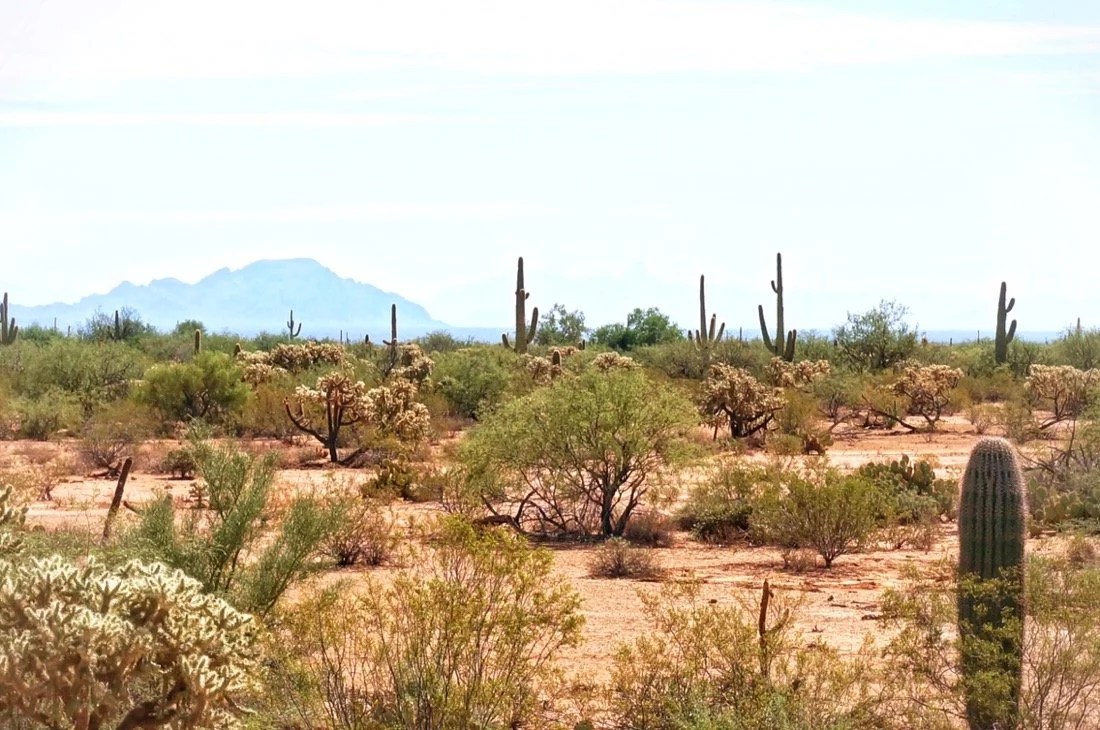
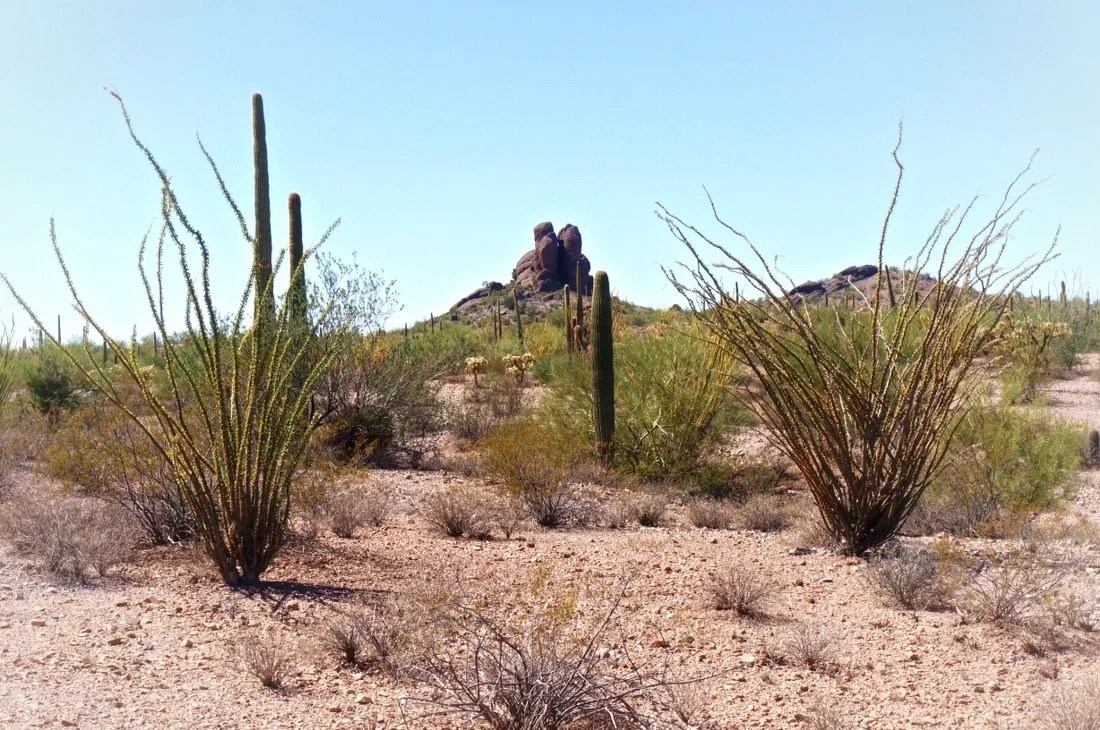 ________Growler Wash…
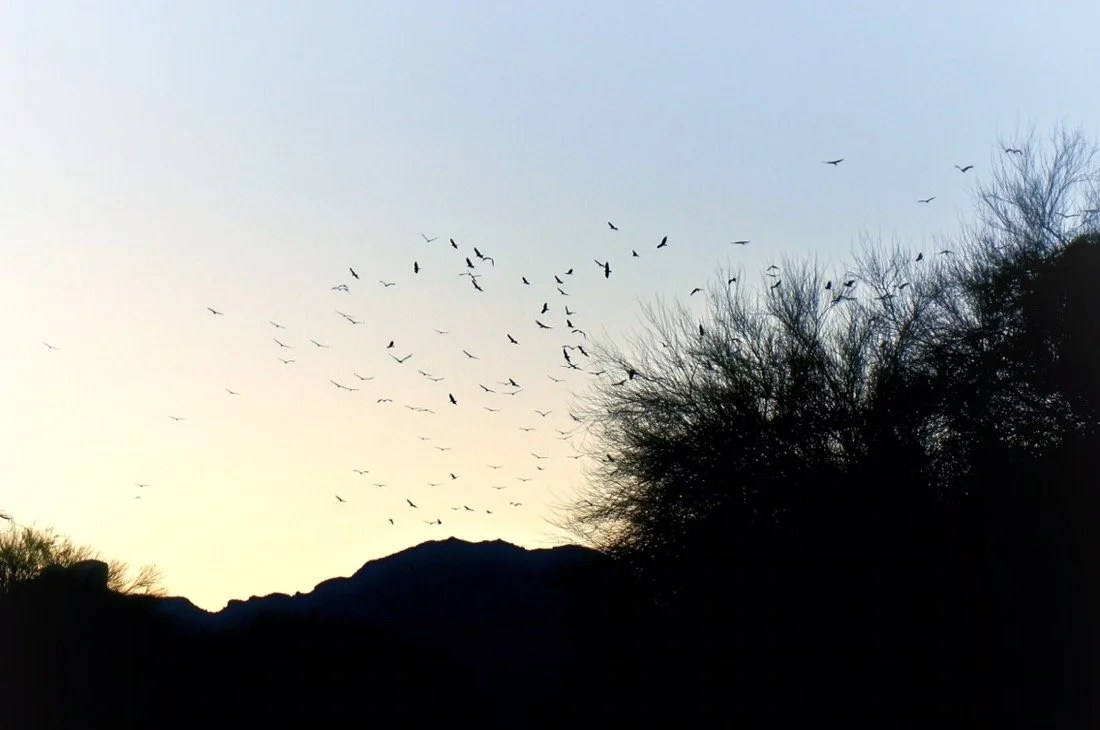
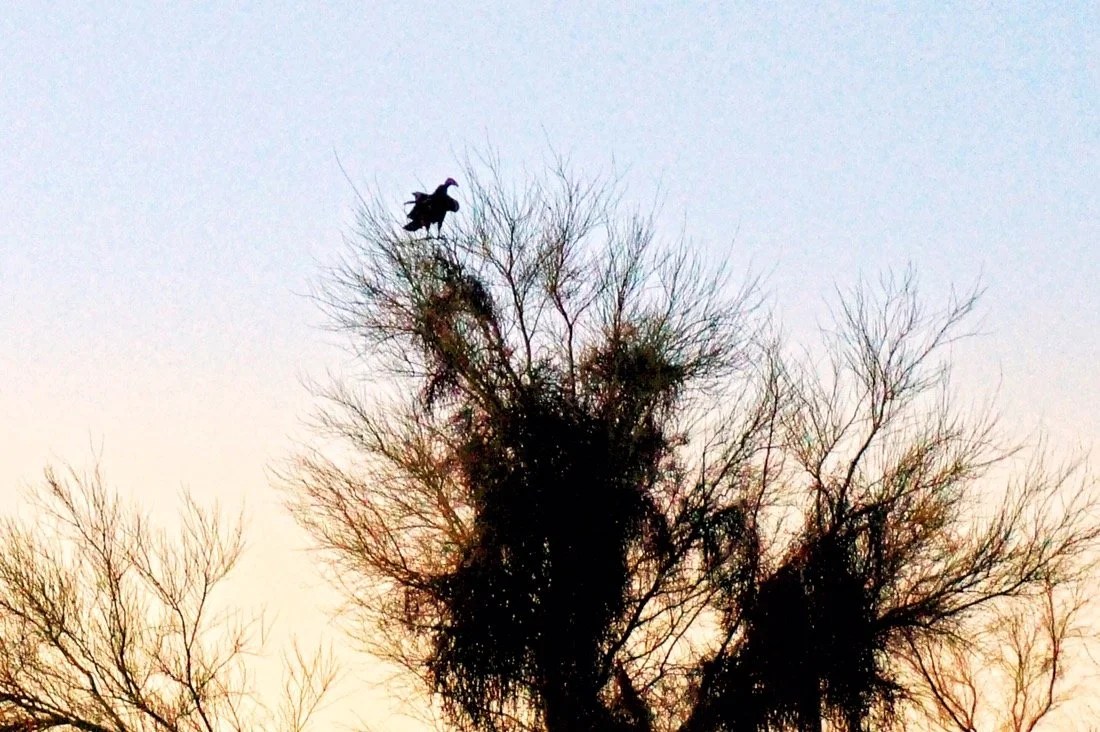 ______Entering Cabeza Prieta National Wildlife Refuge…

 _________Perfecting my bikepacking burritos…
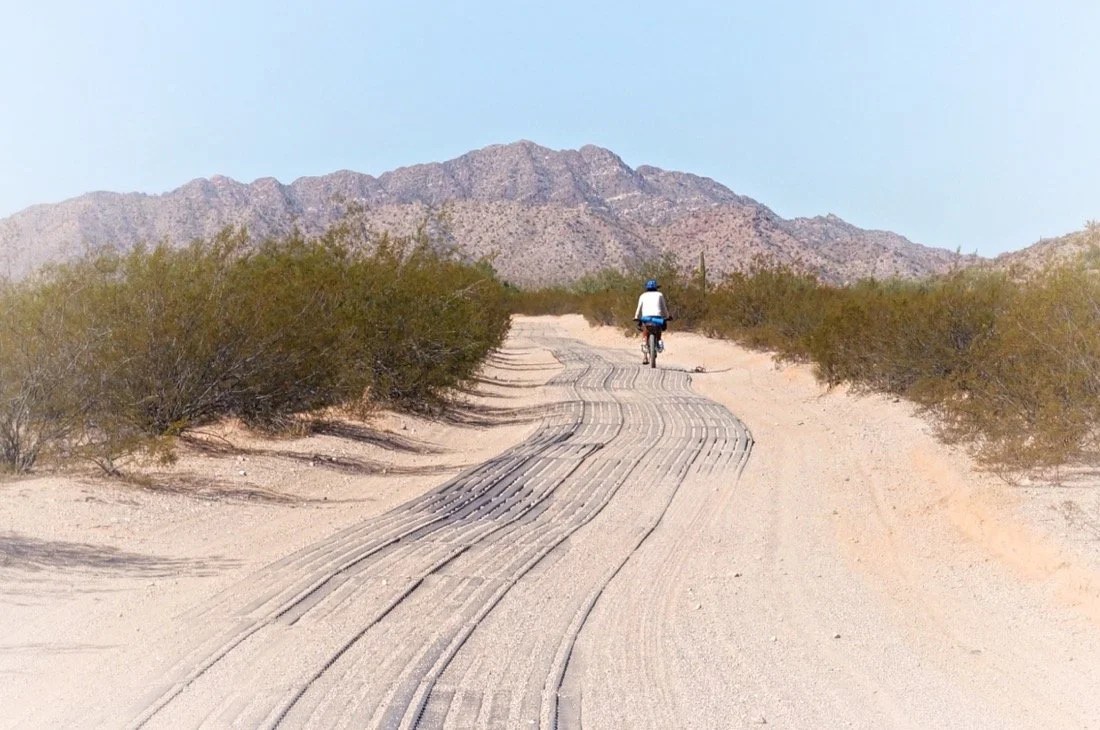
 ________There were steel grids on this section of the road to make driving through the sand easier.
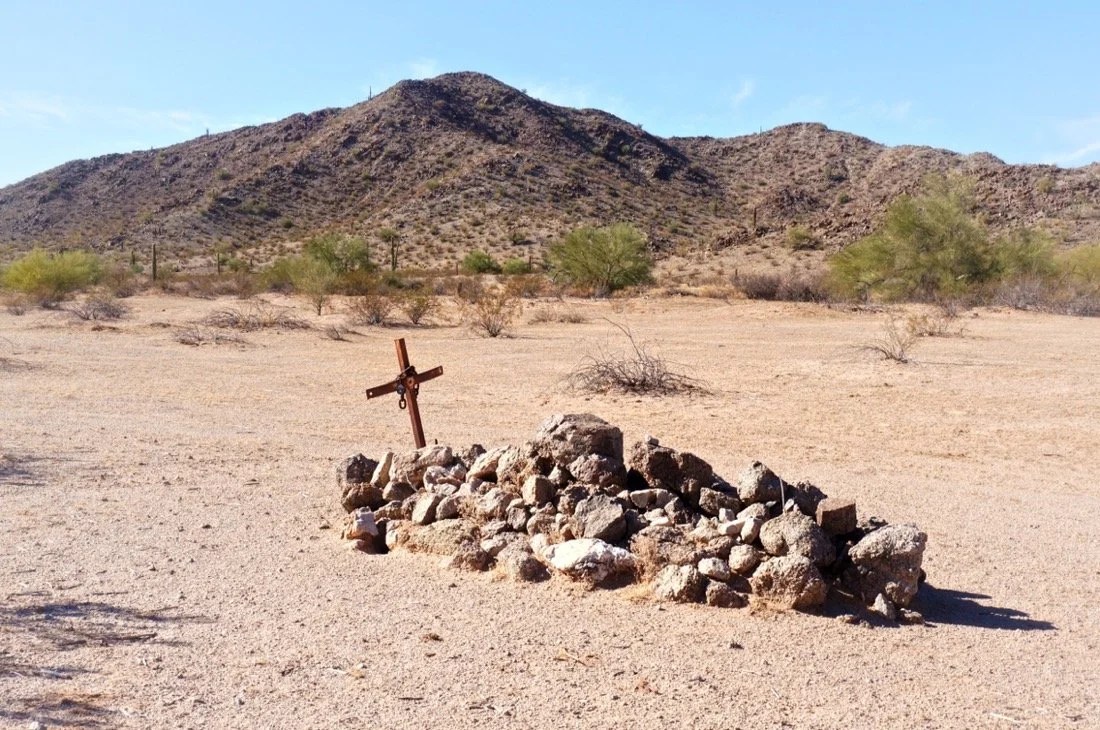
 __________O’Niell’s grave, a prospector who perished in ~1916 from exposure after his burros wandered away.
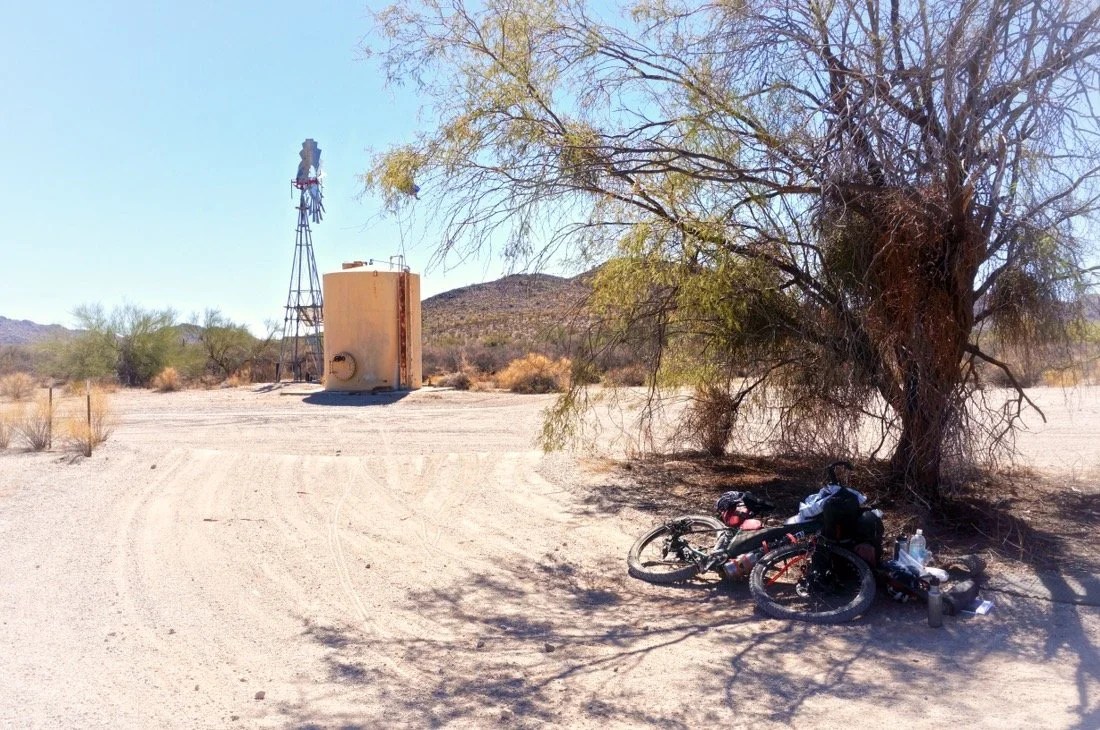
 _________Papago Well. Good tasting water. We had a long siesta here.
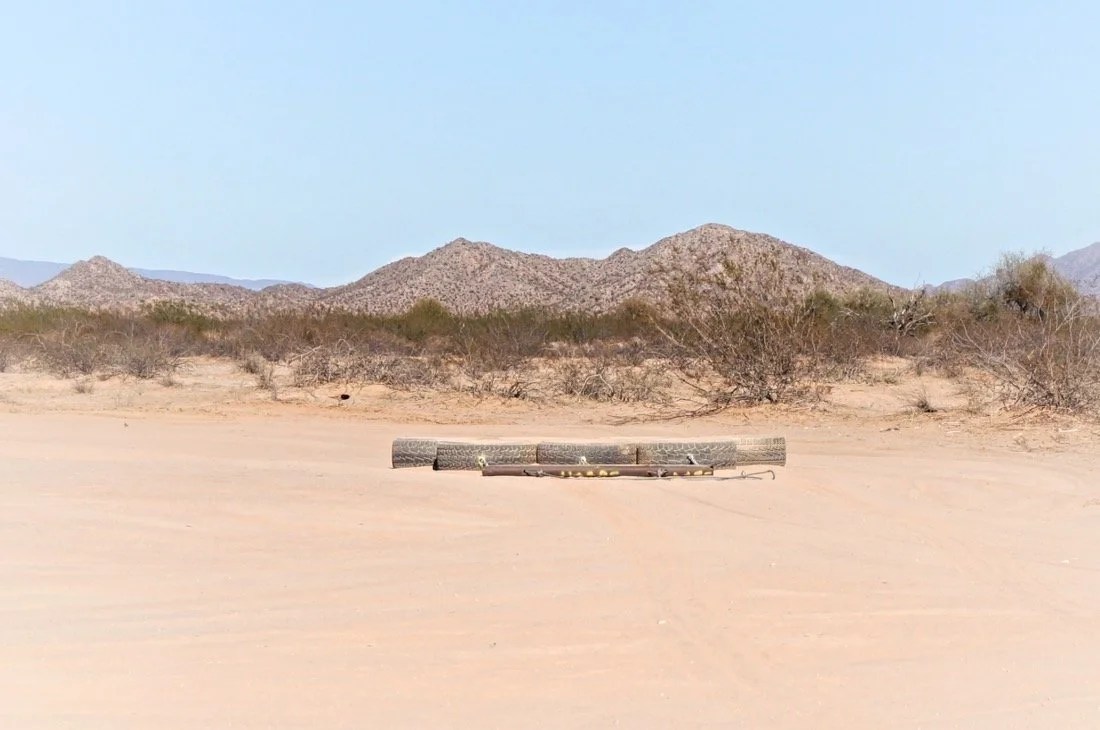
 ______Groups of tires, bundled together, are used by the border patrol to drag the road, sweeping it clean of prints. This way they can see any new foot prints that have passed through after they’ve dragged it.
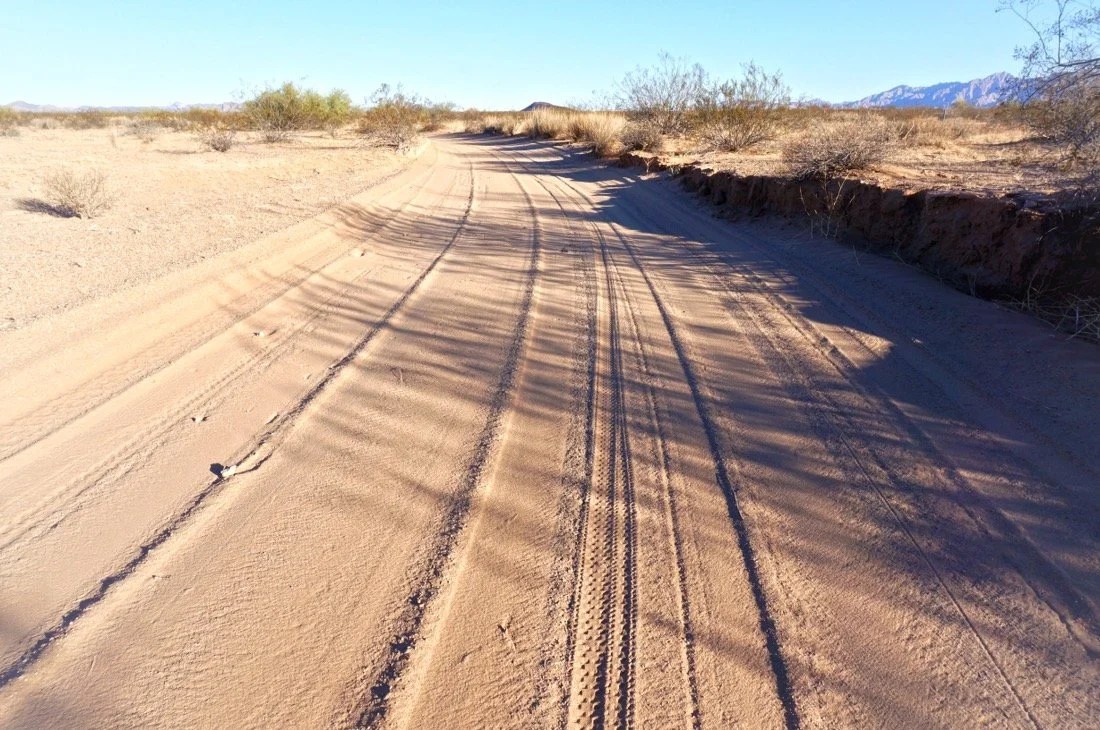
 …freshly dragged road ⬇️
 _______View from the Pinta Sands / Pinacate Lava Fields of the Pinta Sierra Mountains.

 _________Sunset from the Pinacate Lava Fields…
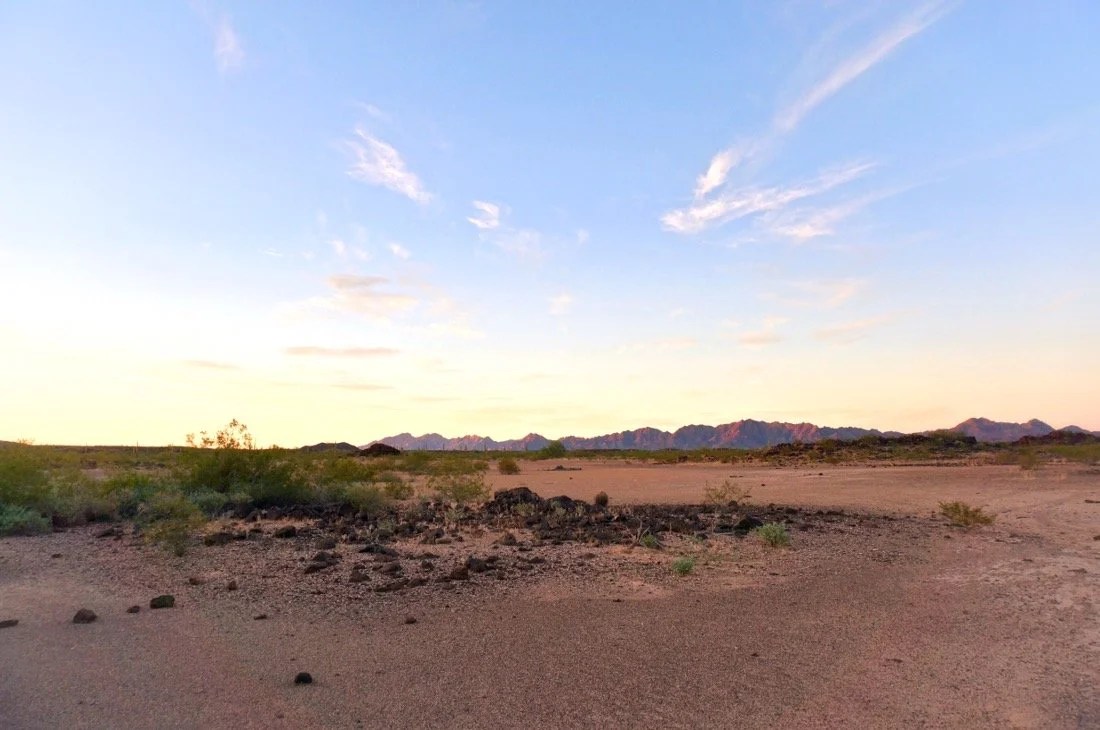
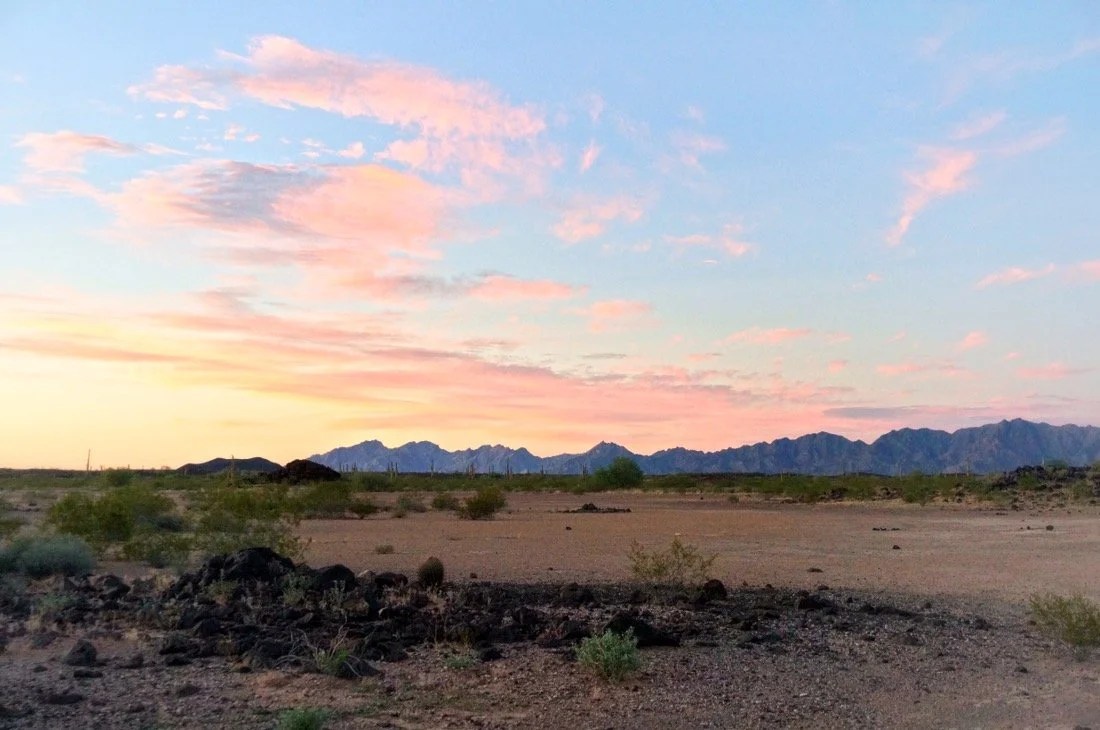
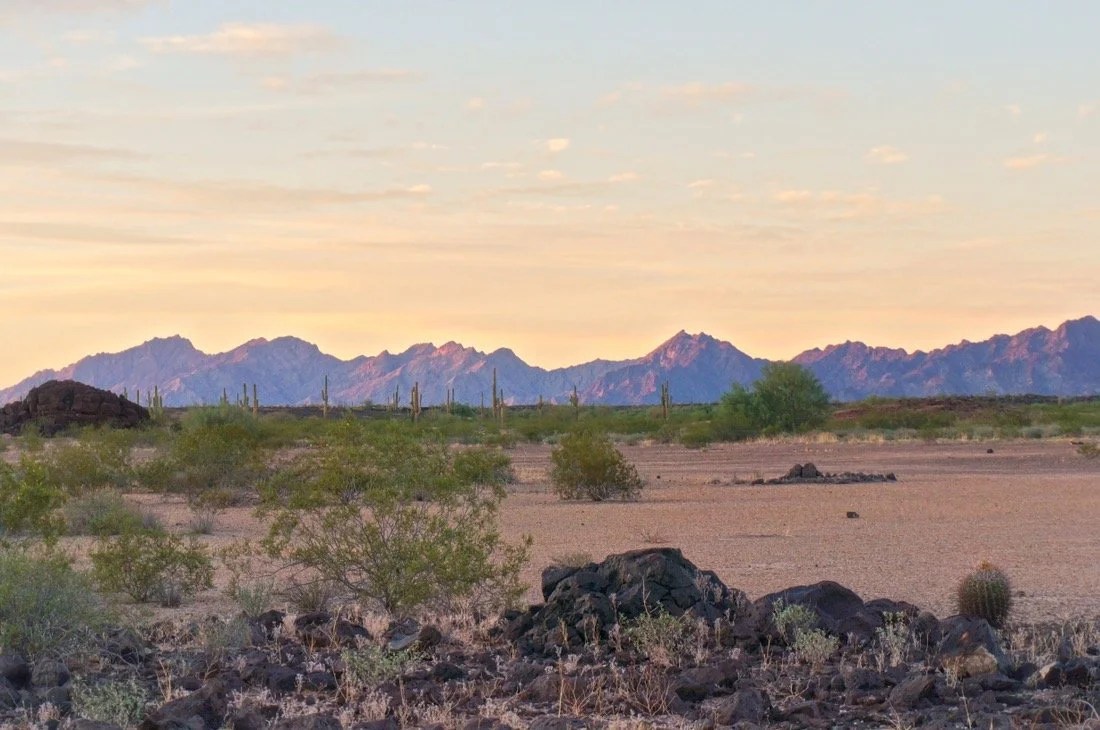 _________Looking south into Mexico at the shield volcano, Sierra Pinacate, the summit of the Pinacate Lava Fields.
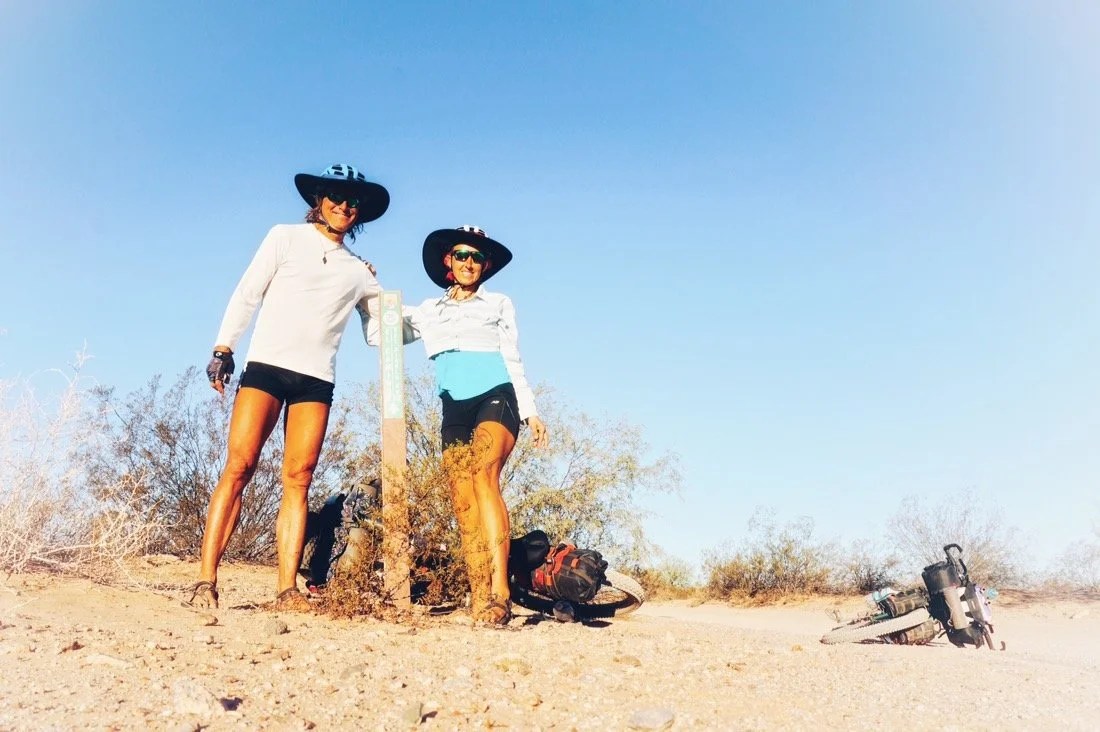
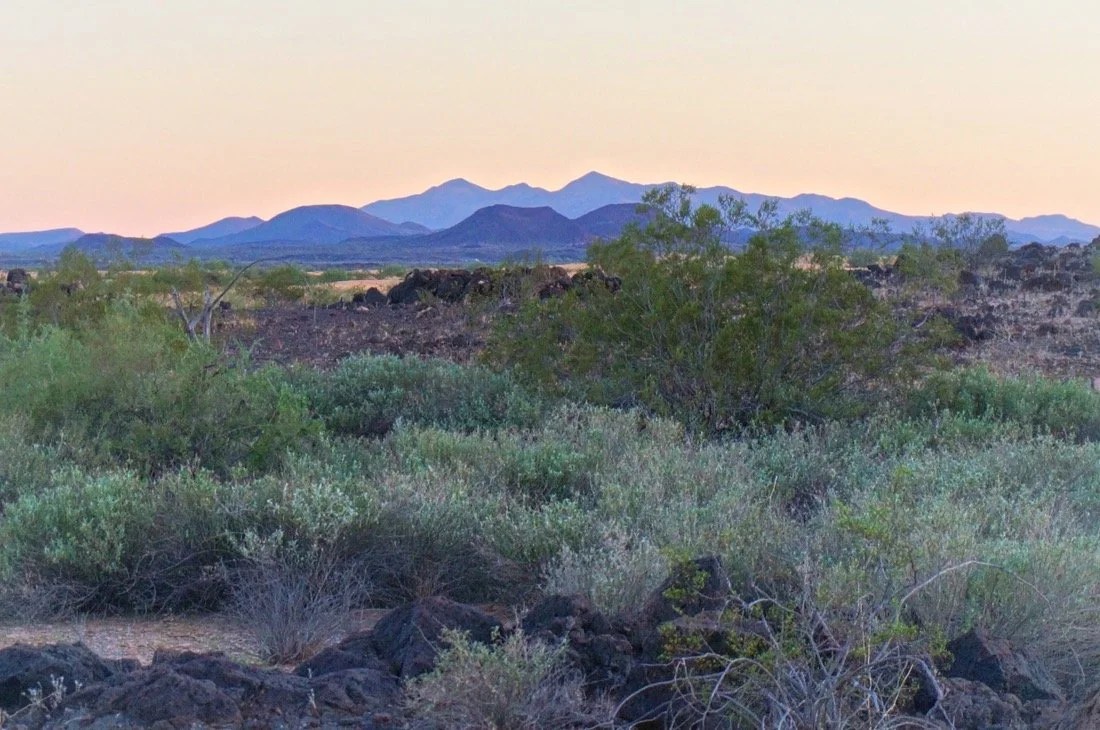 _____Road sign for the El Camino del Diablo in the Cabeza Prieta Wildlife Refuge…
 ________Riding through the Pinacate Lava Fields in the early morning hours…

 ________Tule cabin & well… the cabin is made of adobe bricks but was rebuilt in 1989 to celebrate the Refuge’s 50th Birthday.
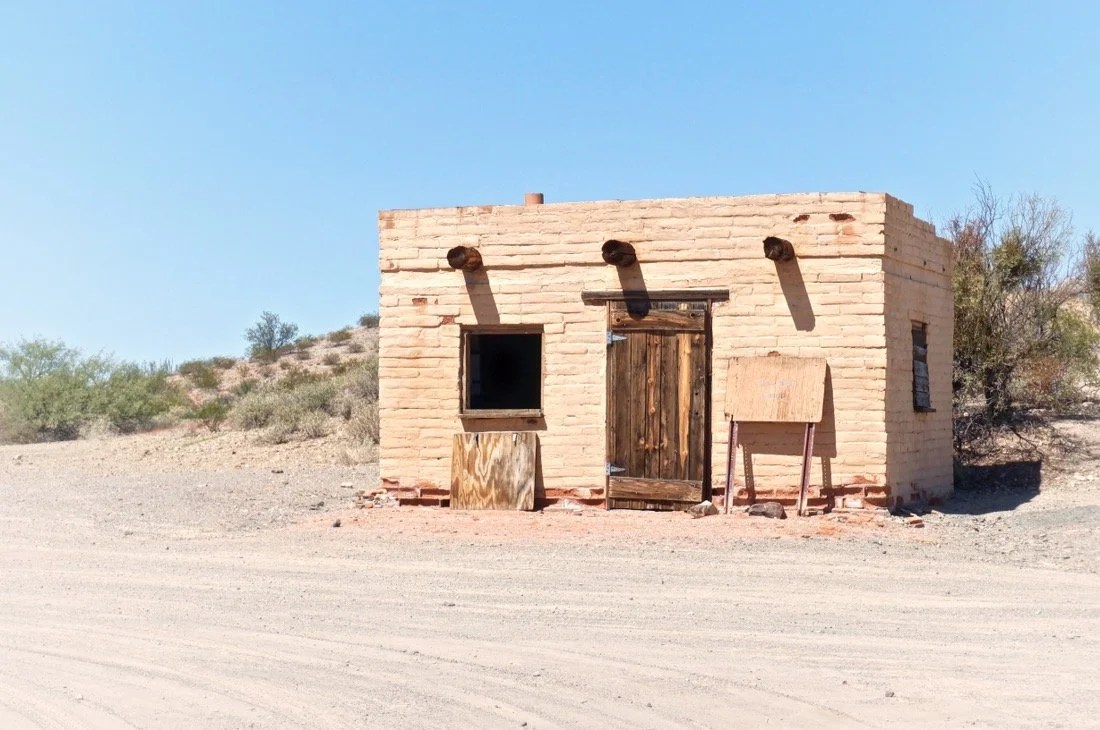
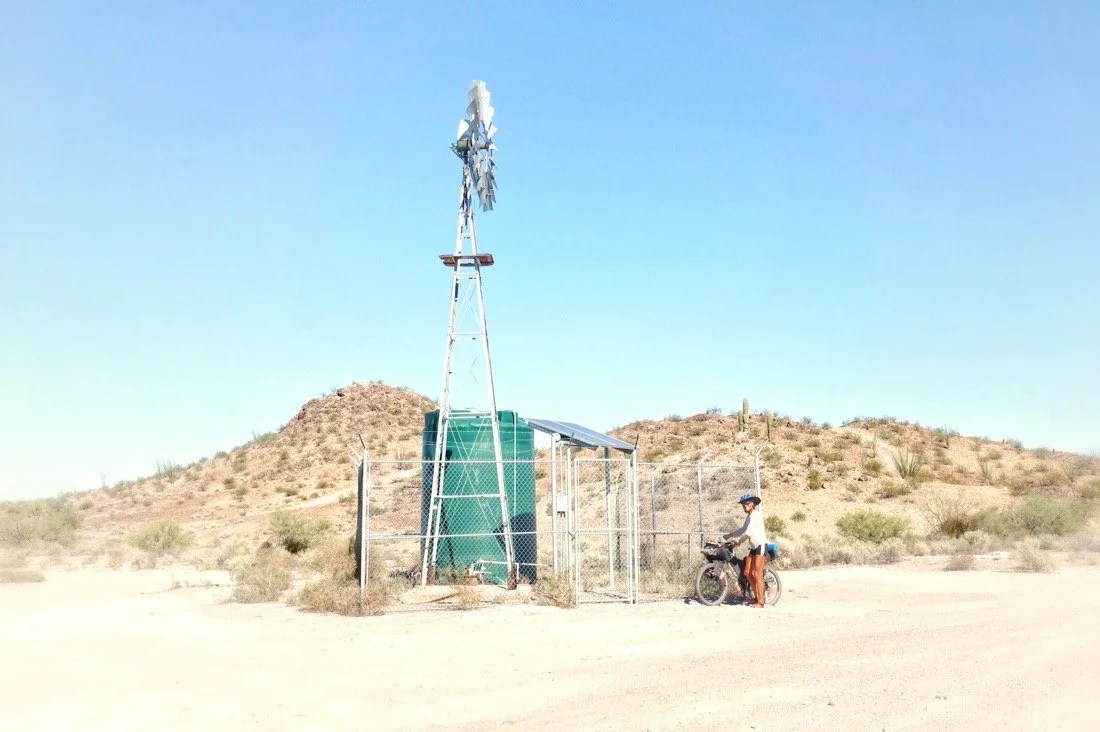 _________Erosion along the devil’s highway…
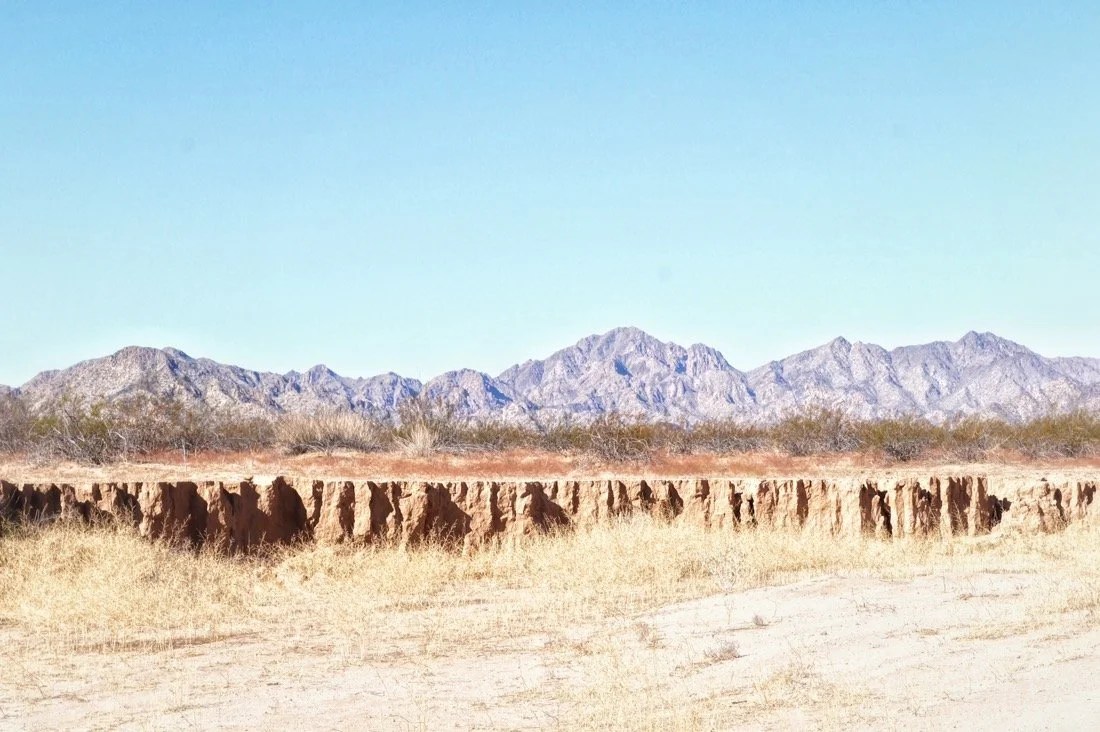 ________Cabeza Prieta (dark head) Peak…
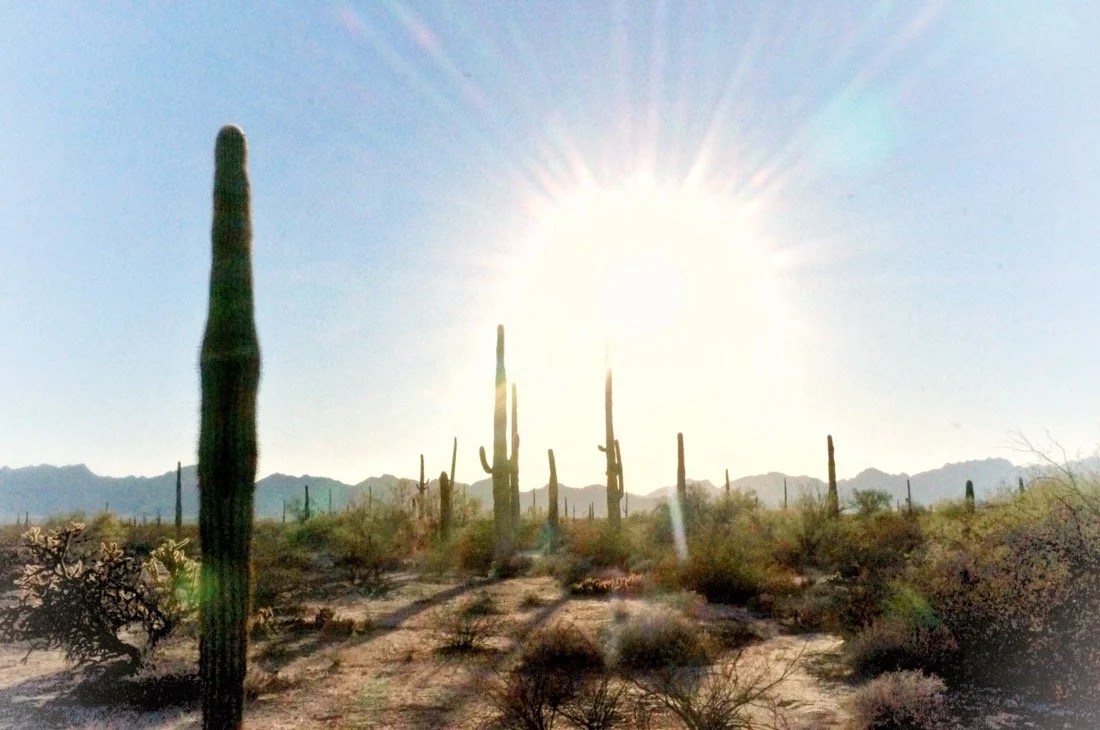
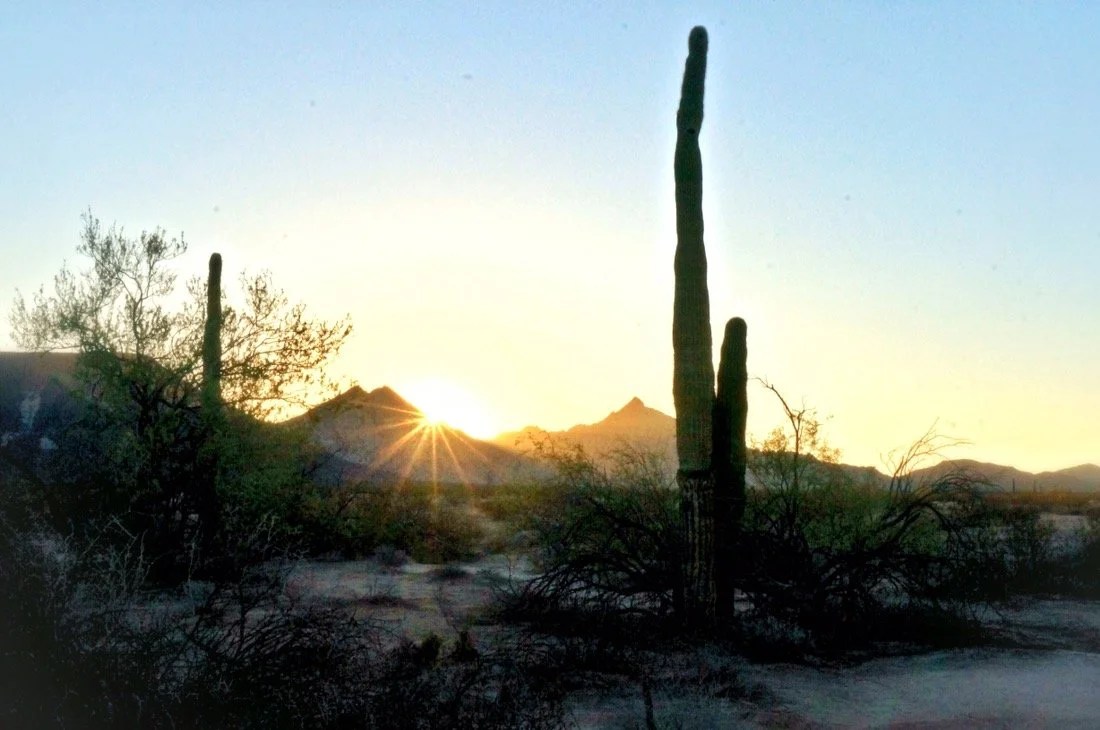
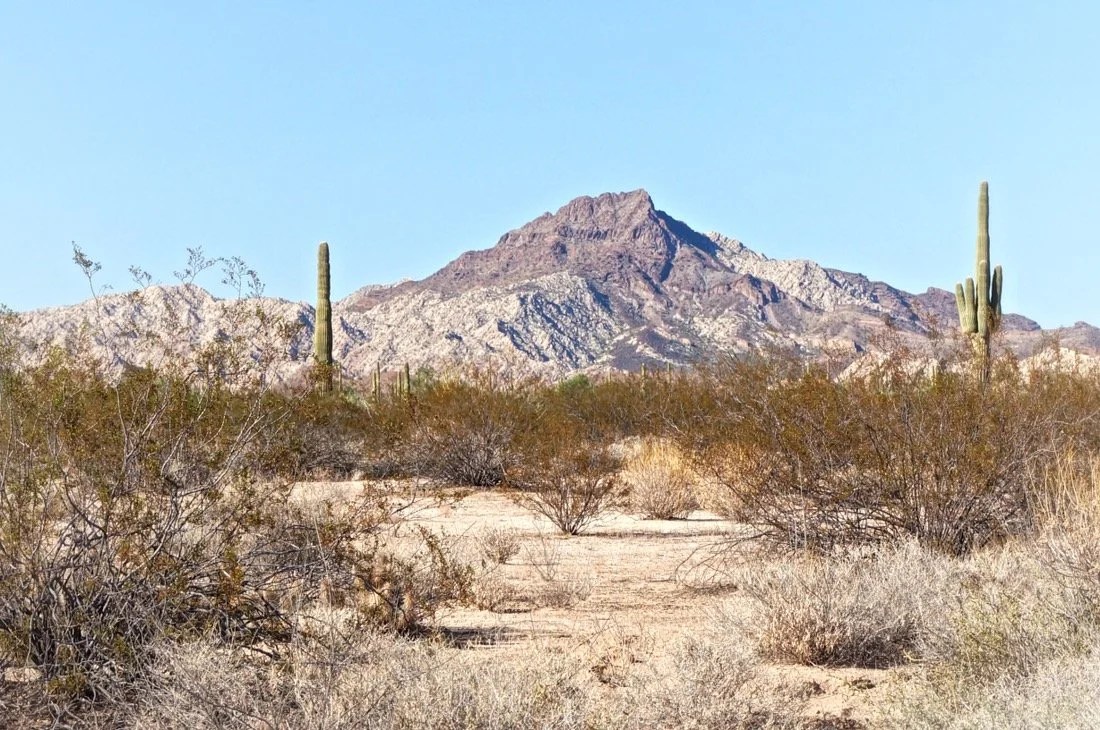 _______Early morning sun through the saguaros from our campsite, and from our ride, west of the Cabeza Prieta Mountains…
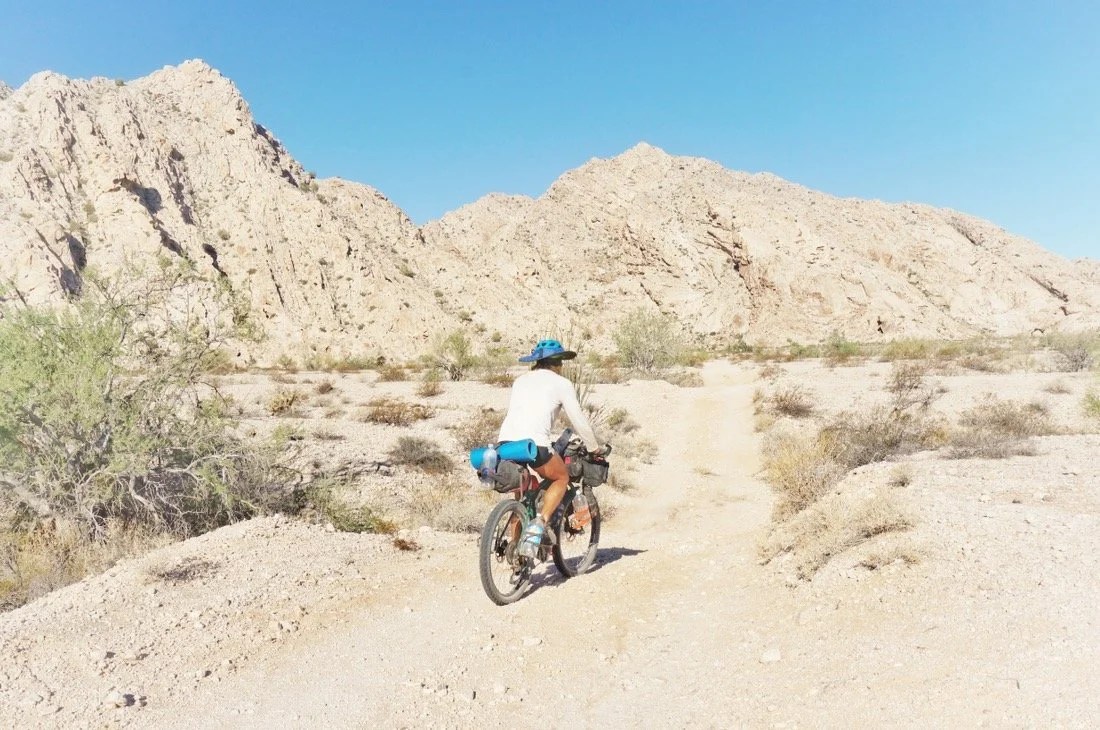
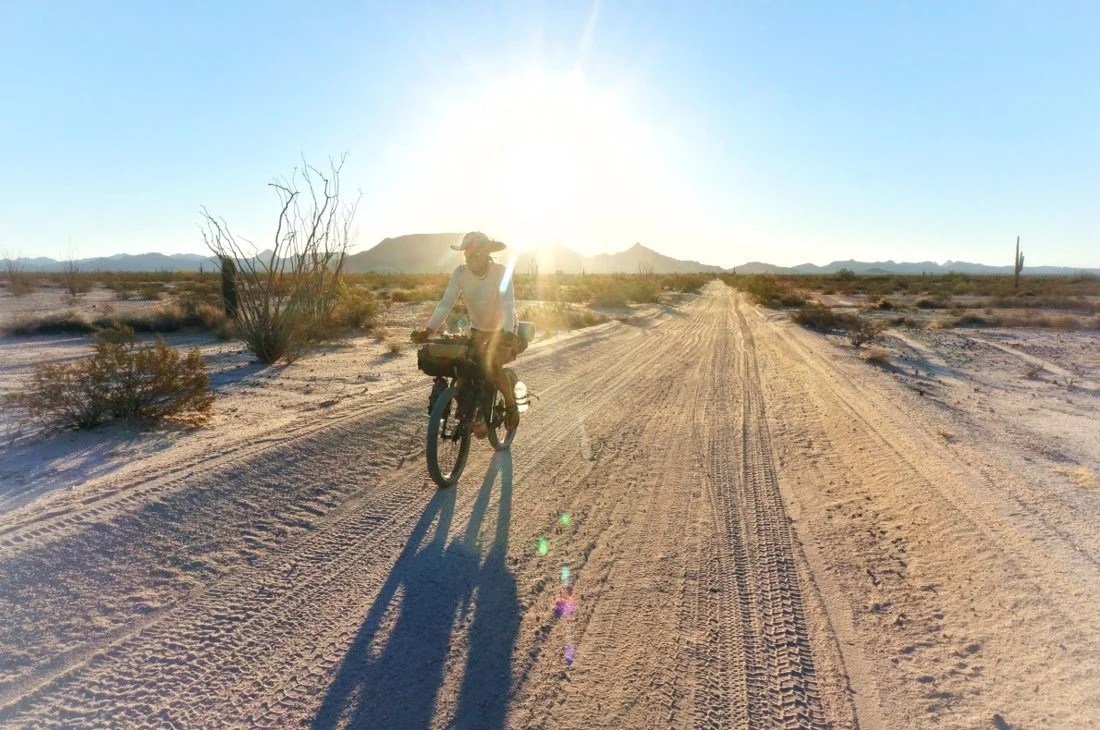 ______Heading west to the Tinajas Altas (high tank) Mountains…
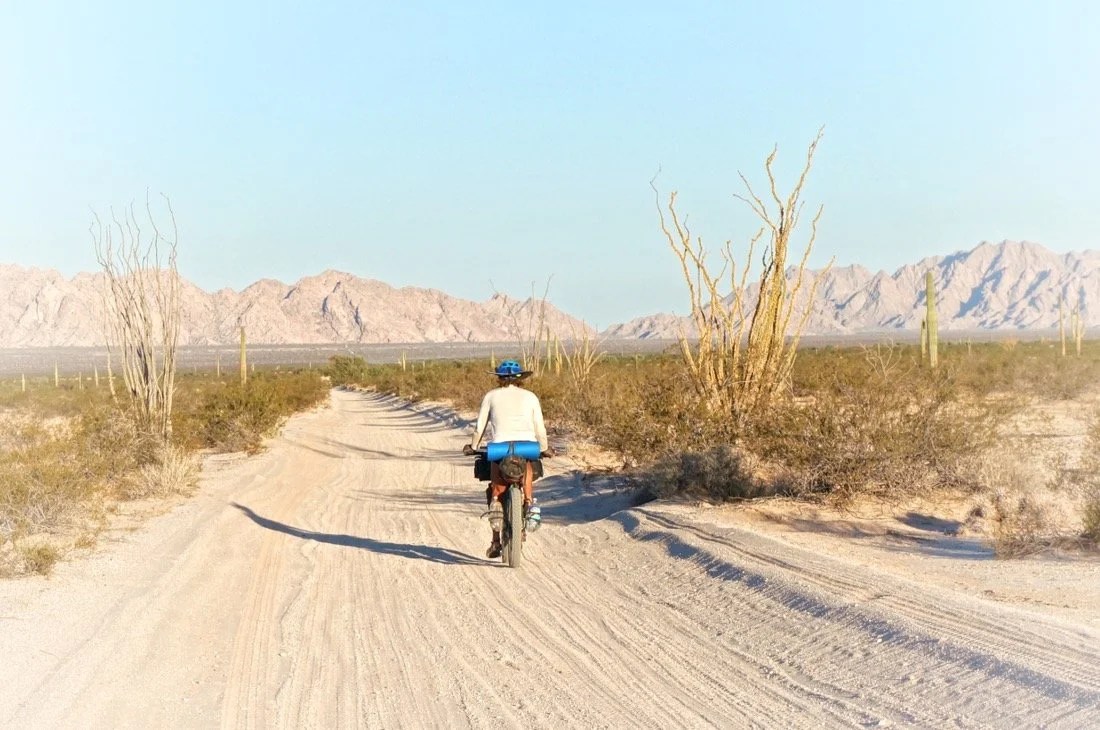
 _________Getting water from High Tanks…
 ________The west side of the Tinajas Altas Mountains….

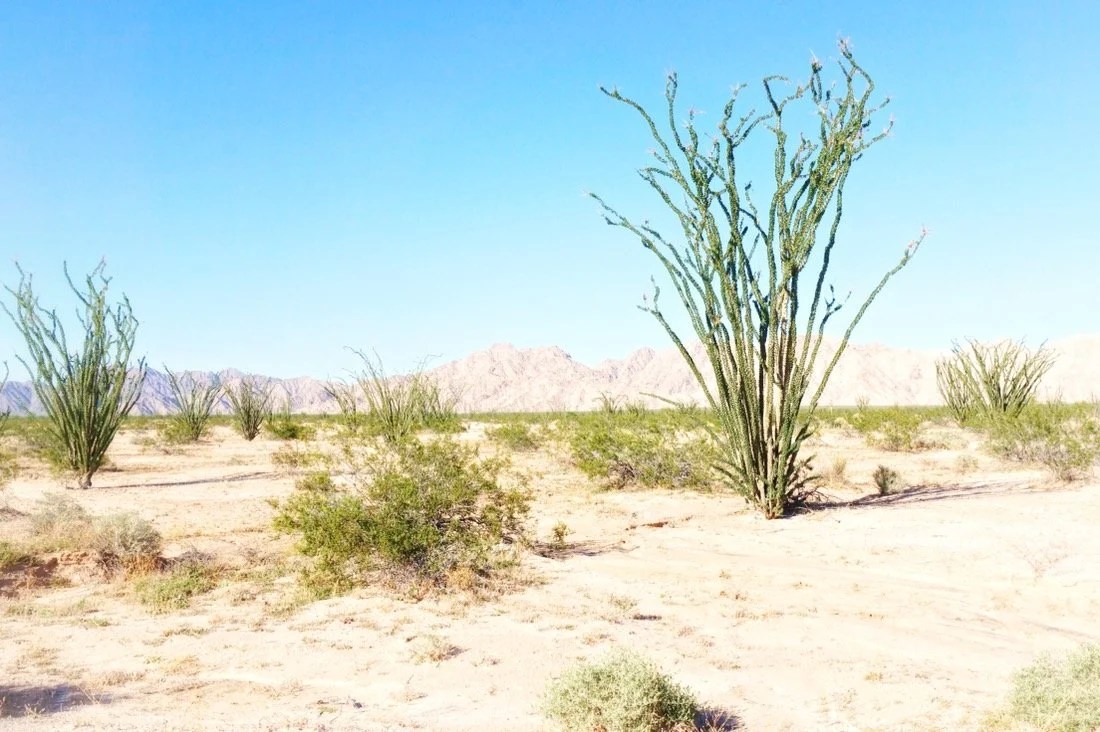
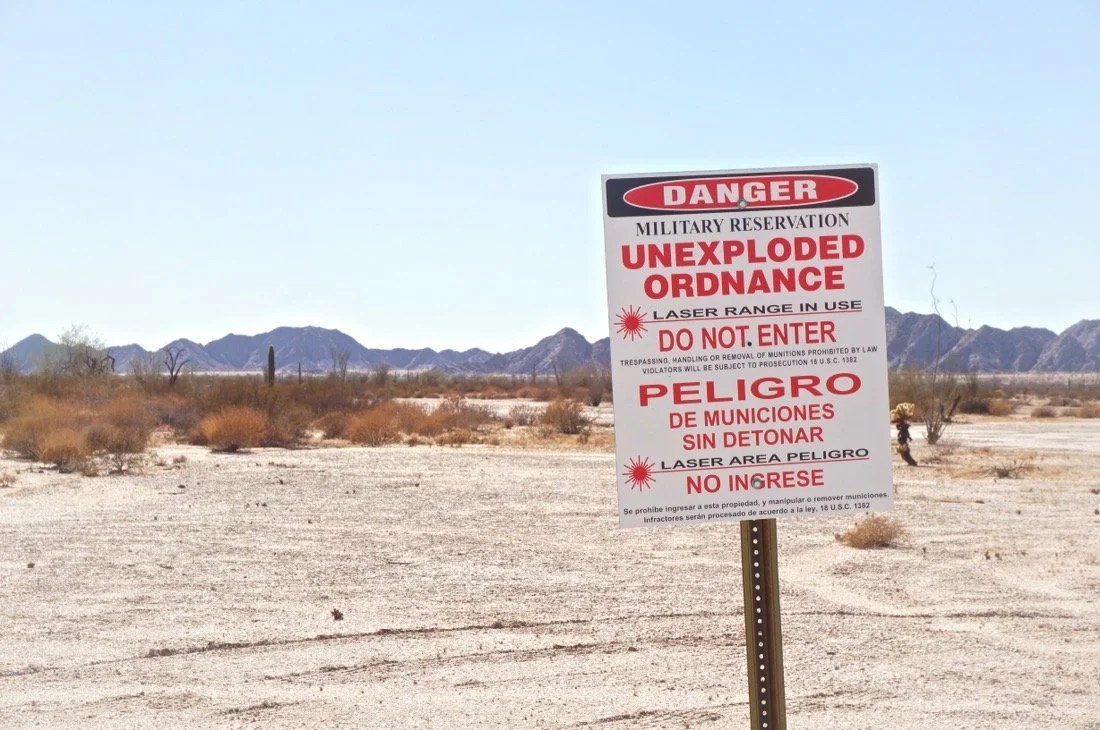
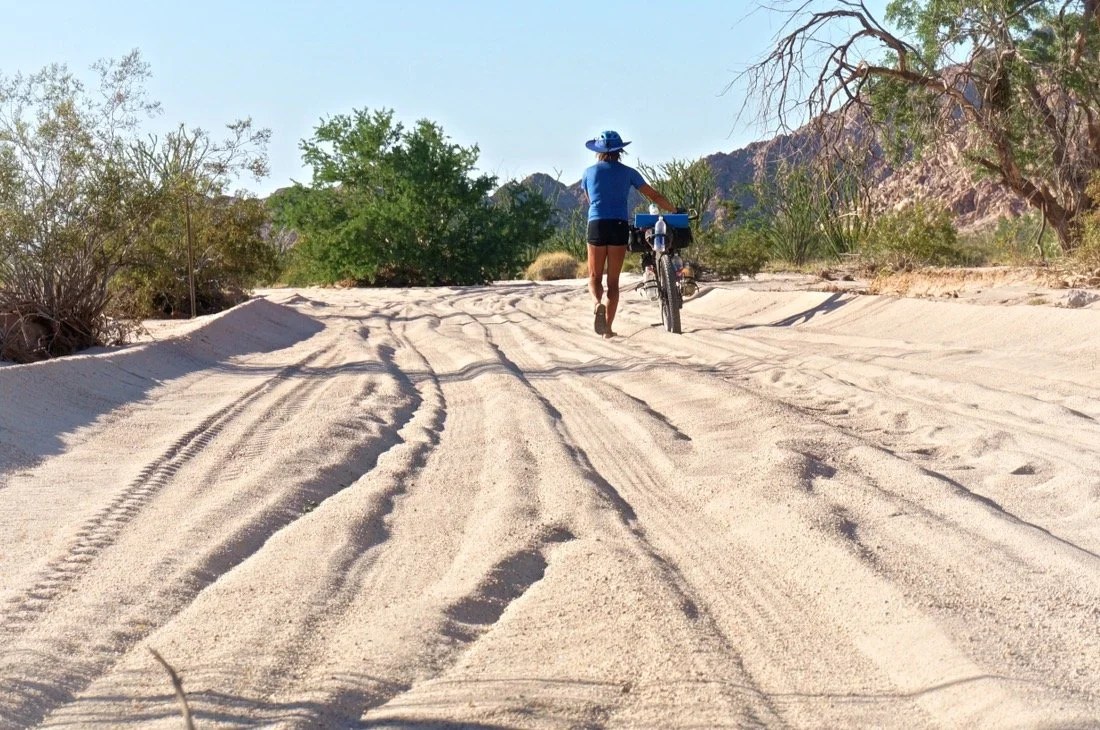
 _______Neon pushing his bike through the deep sand
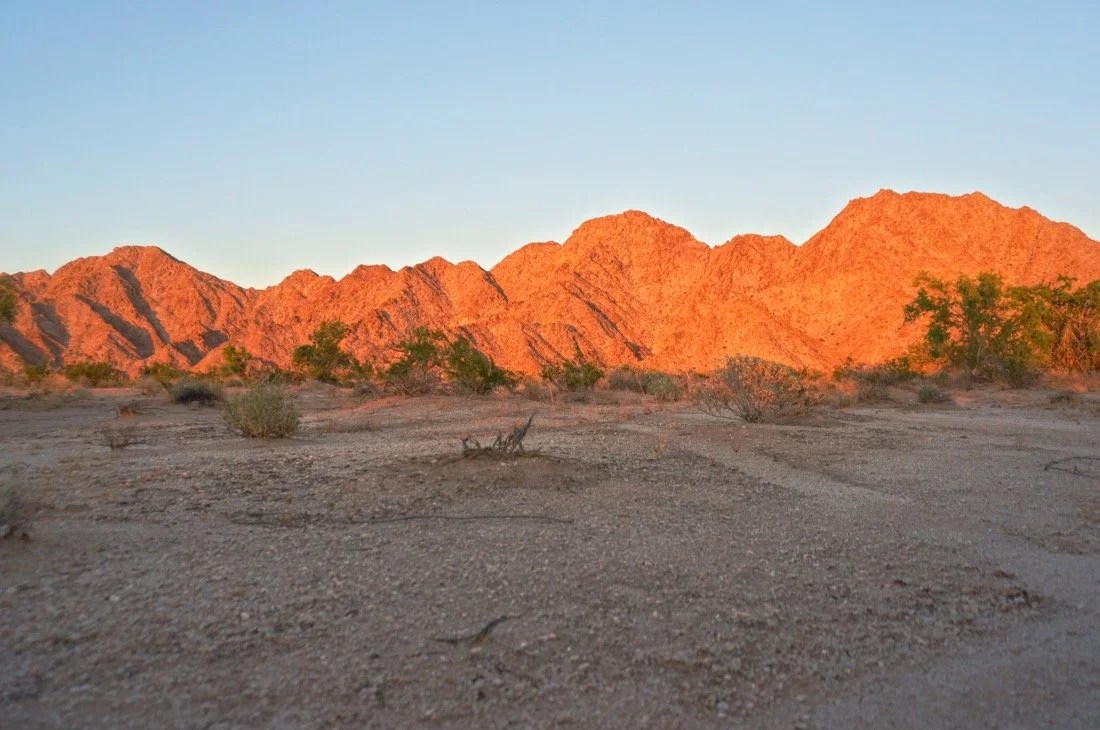
 _________Alpenglow on the Tinajas Altas Mountains (view from our last camp on El Camino del Diablo)
-
Riding Along The Arizona Mexico Border
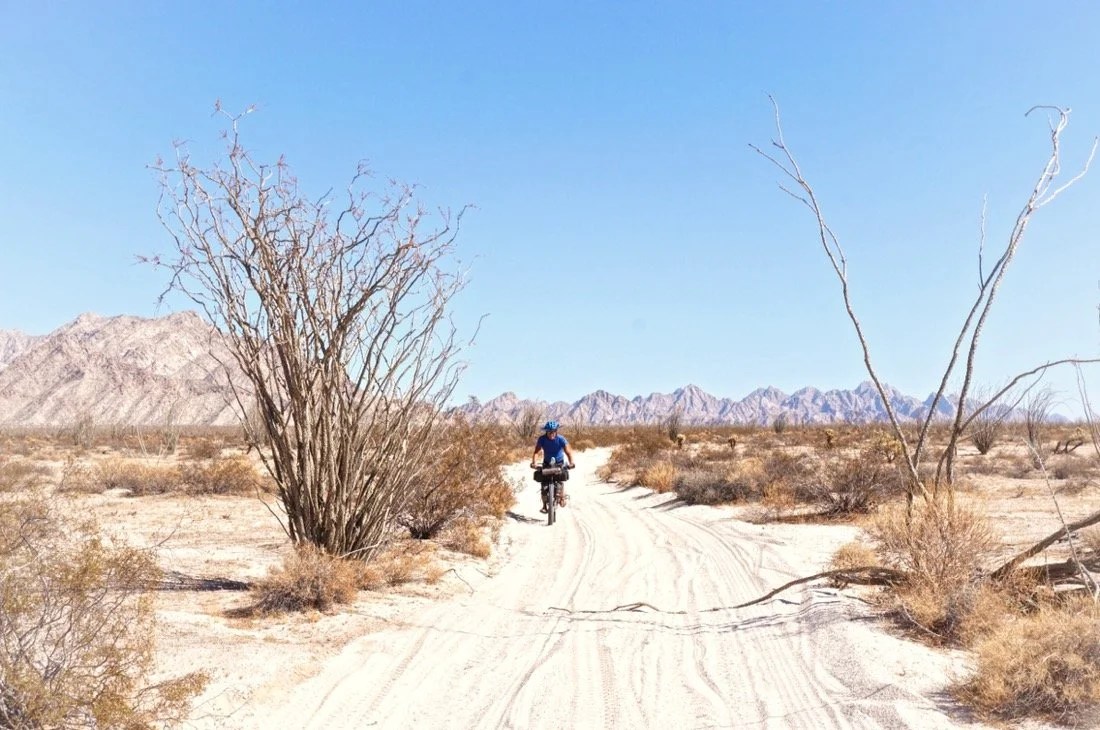
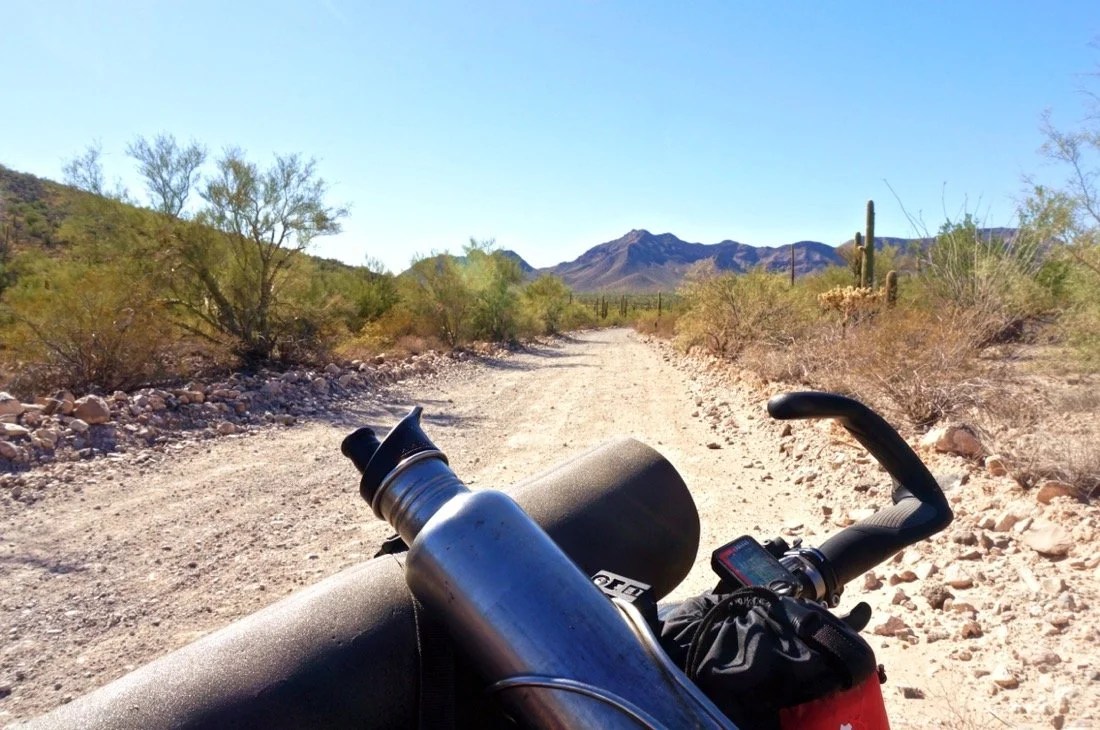
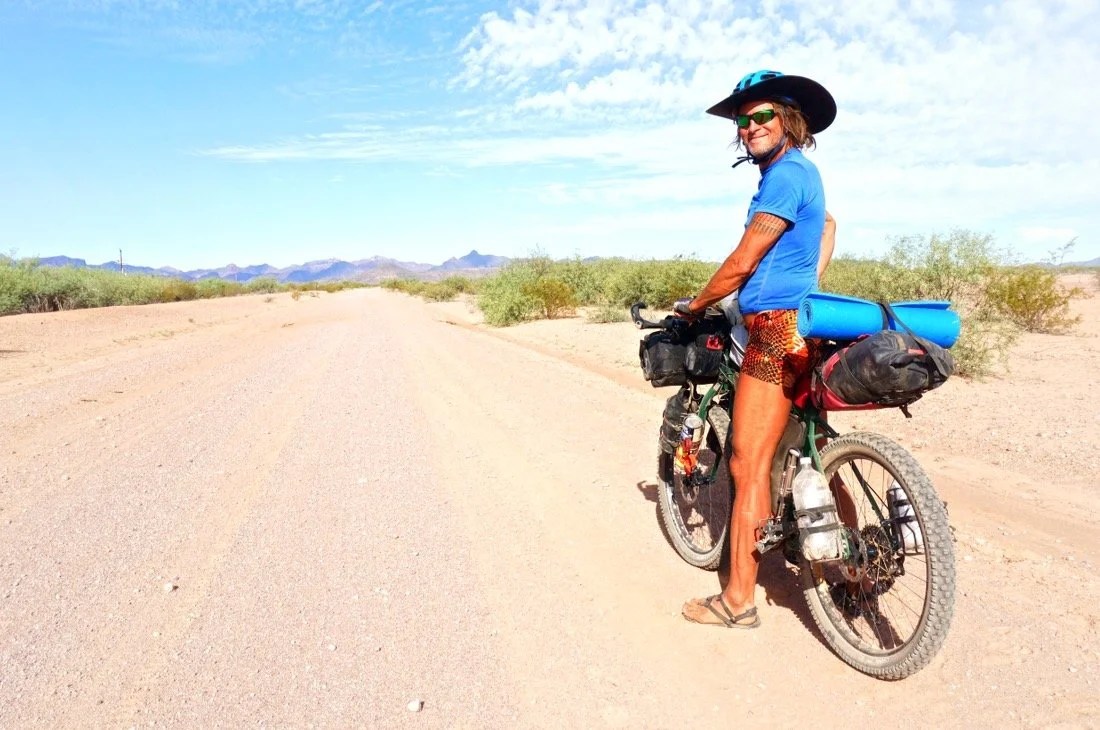
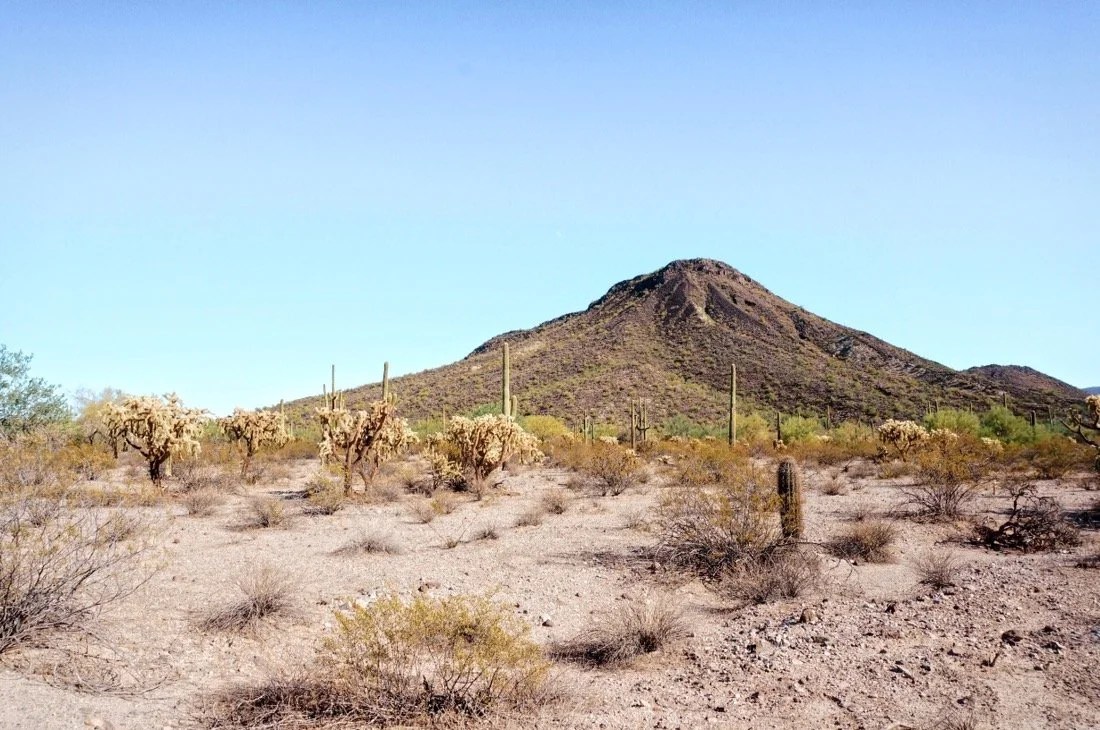
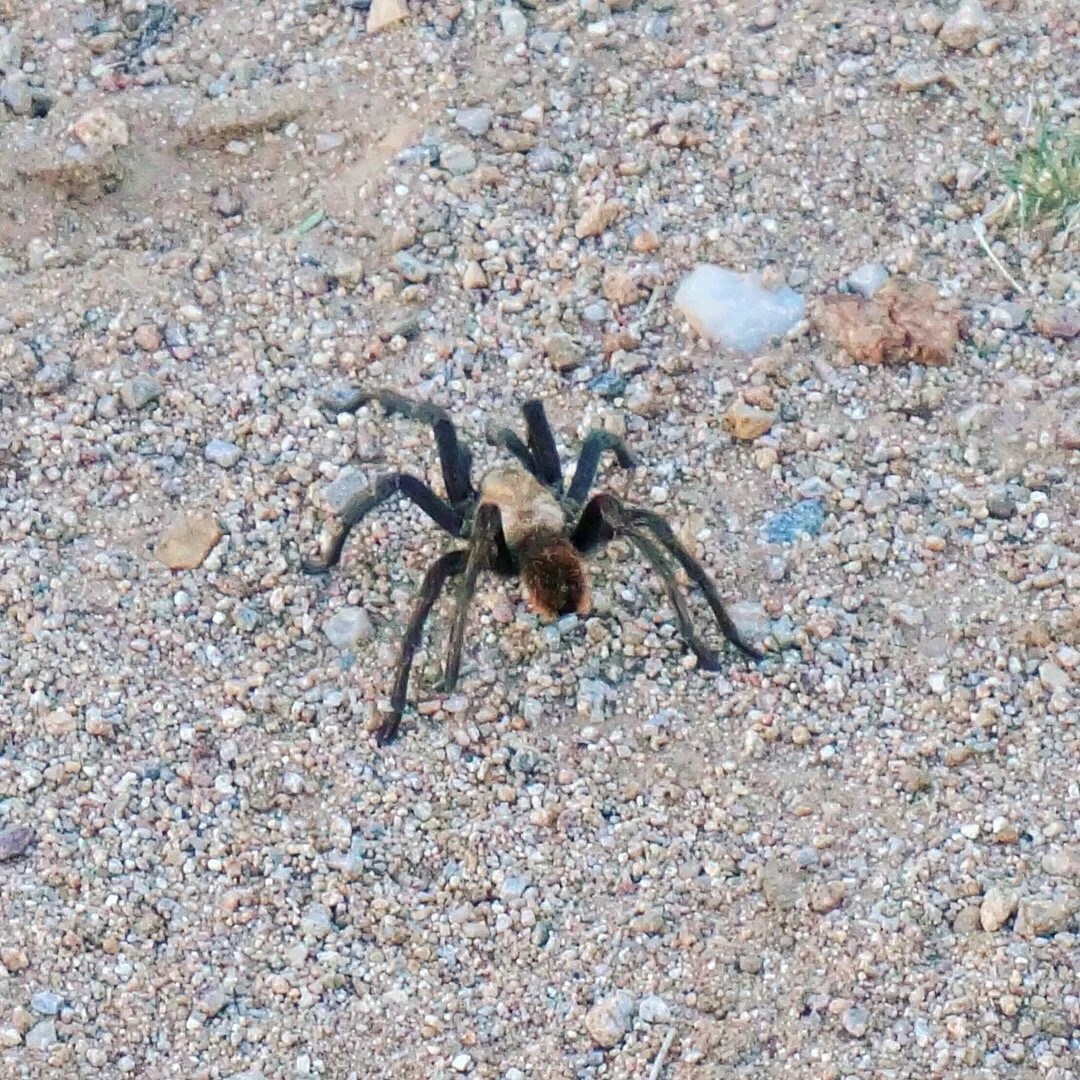
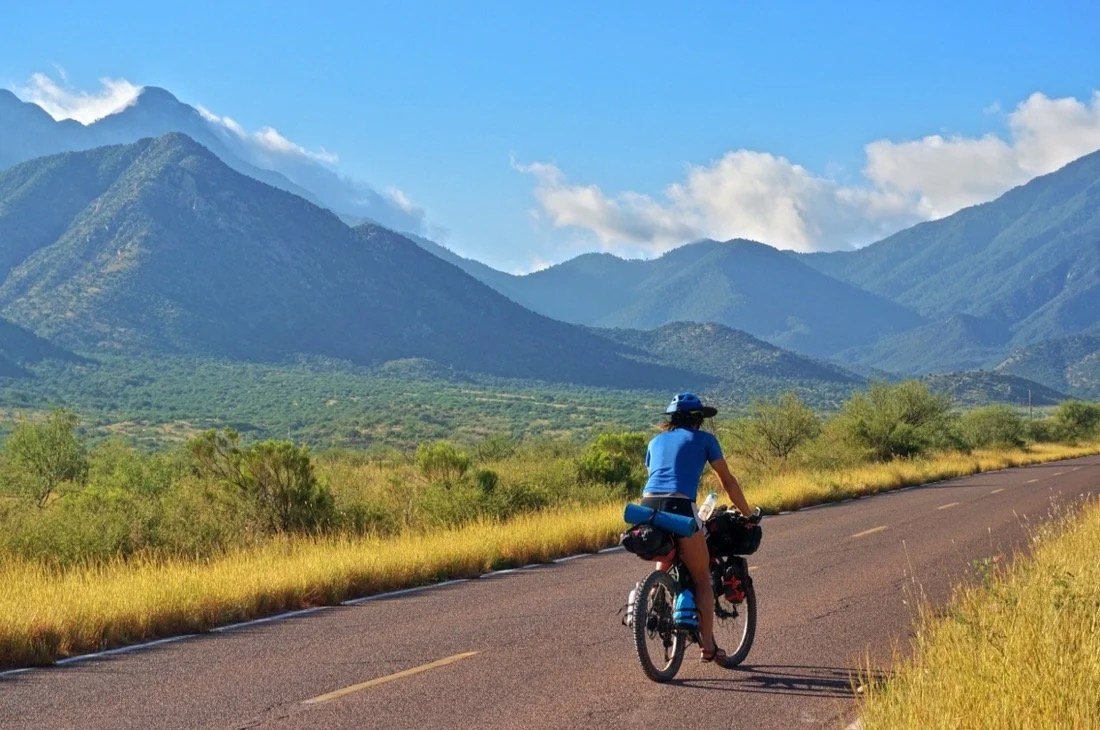
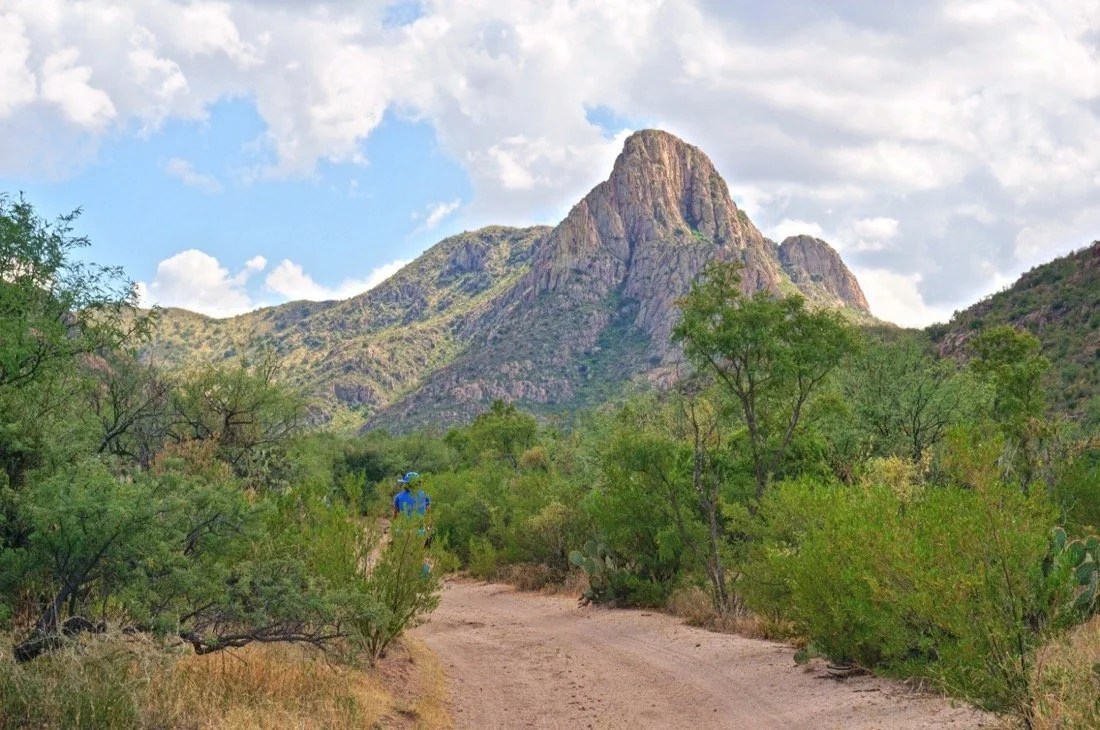
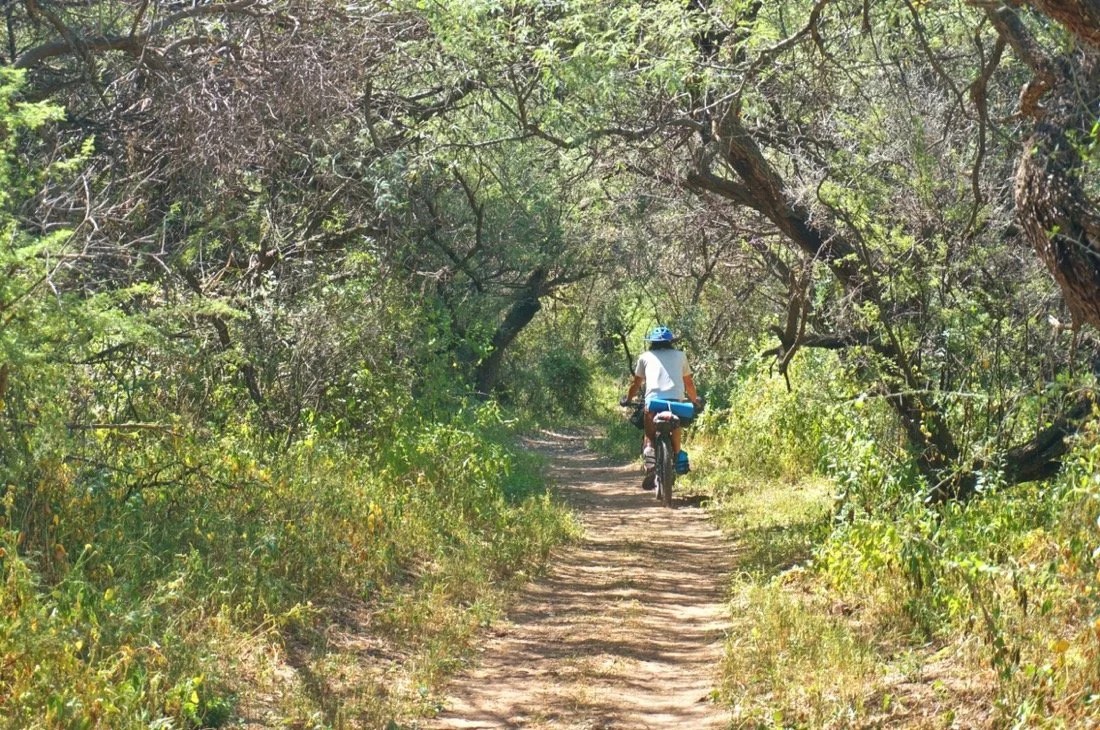
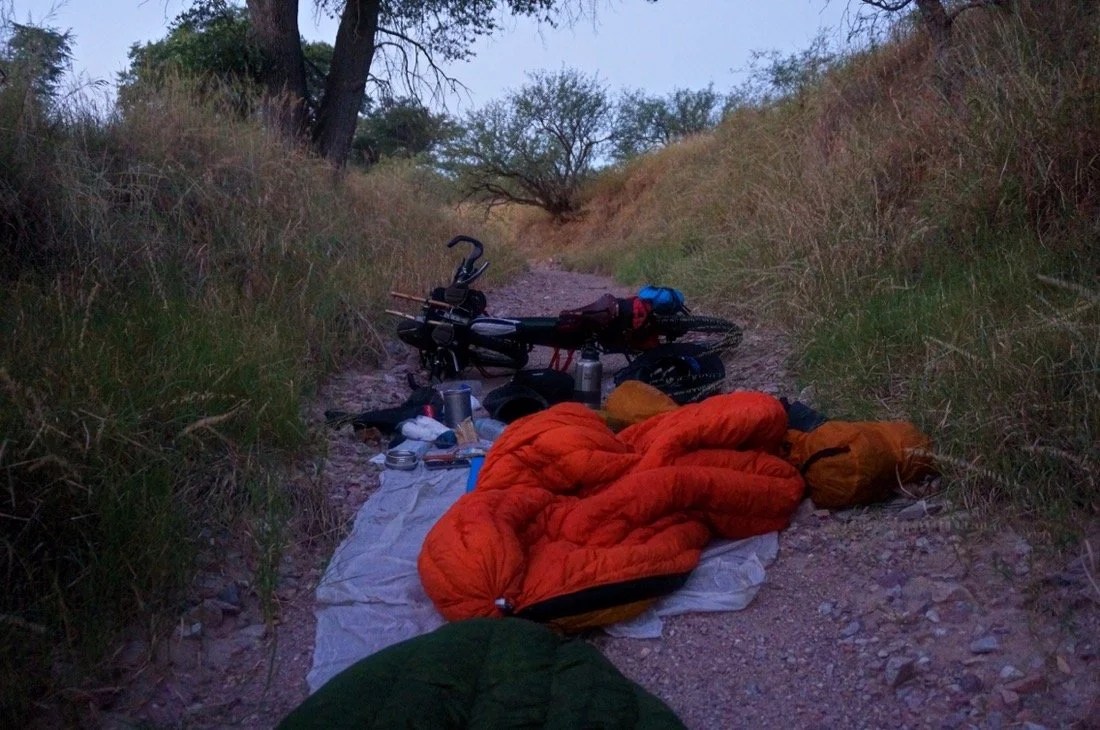
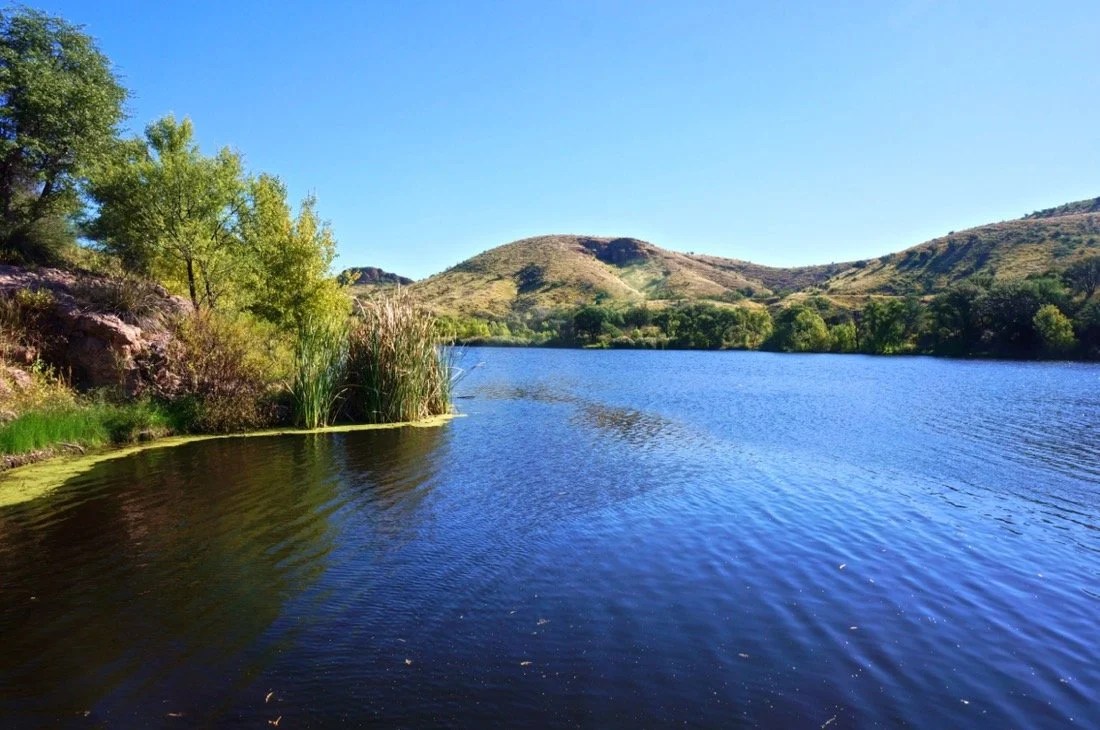
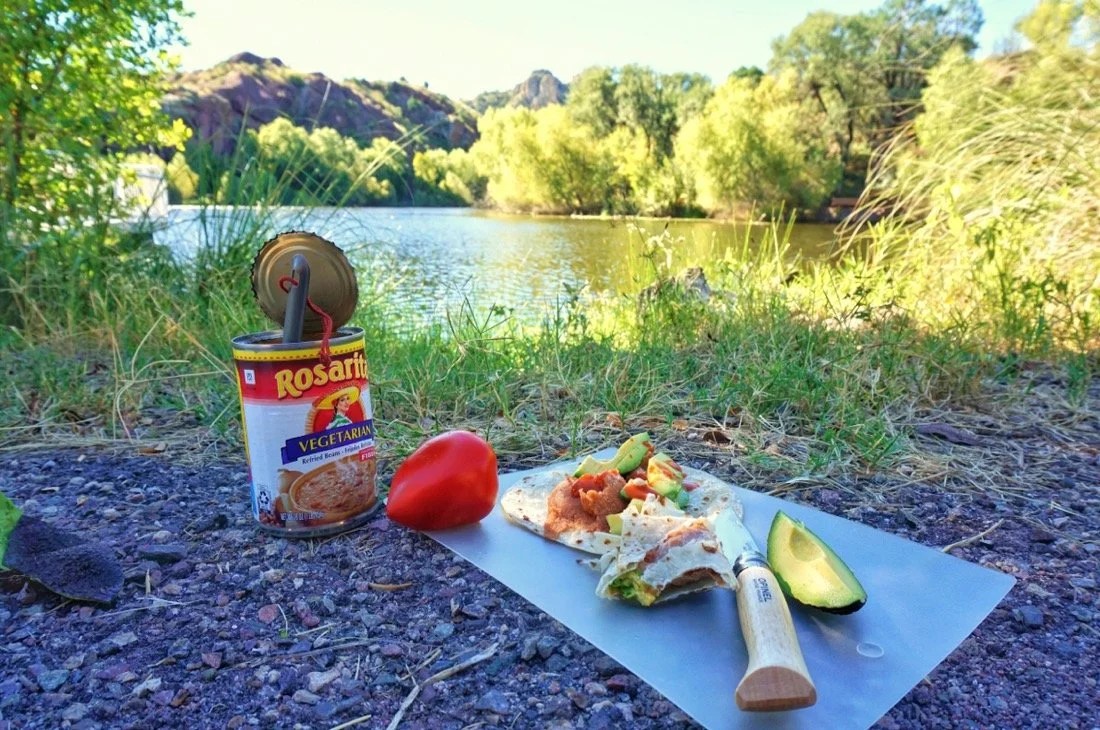
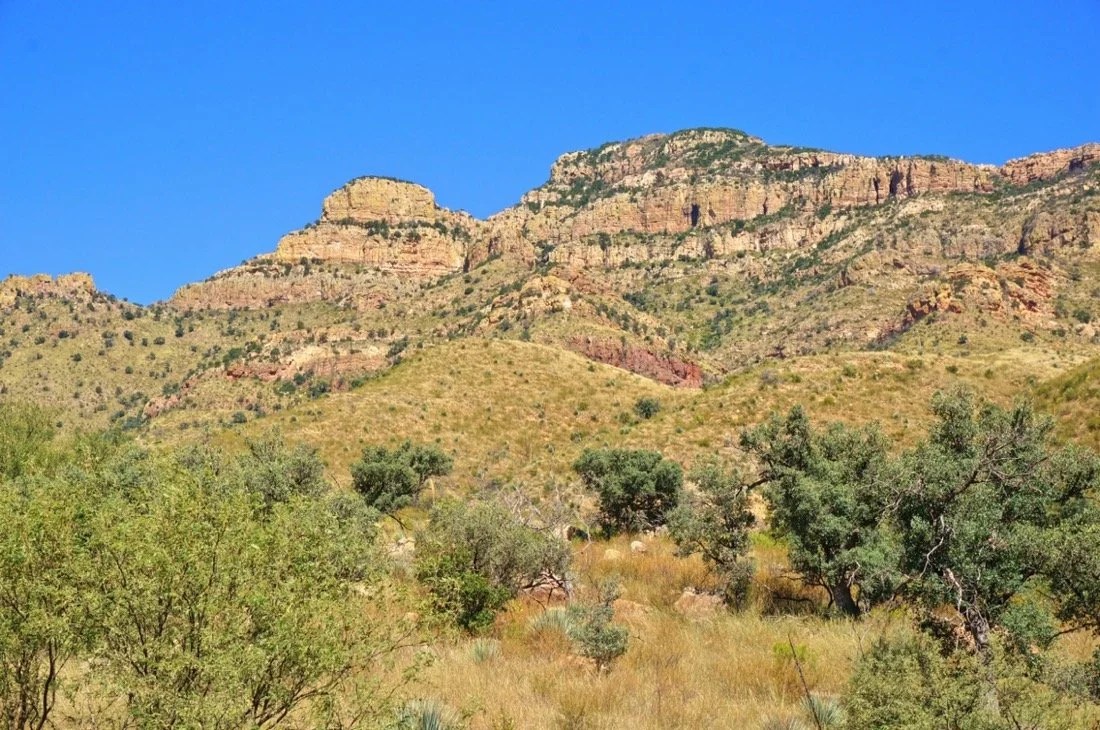
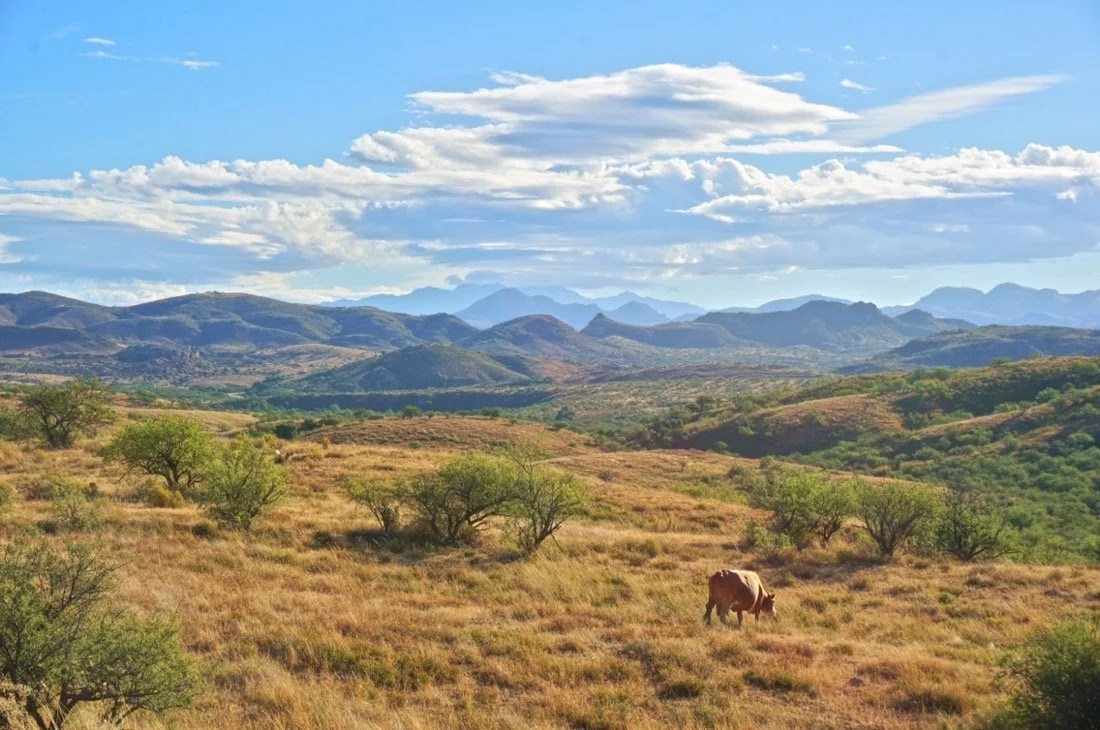
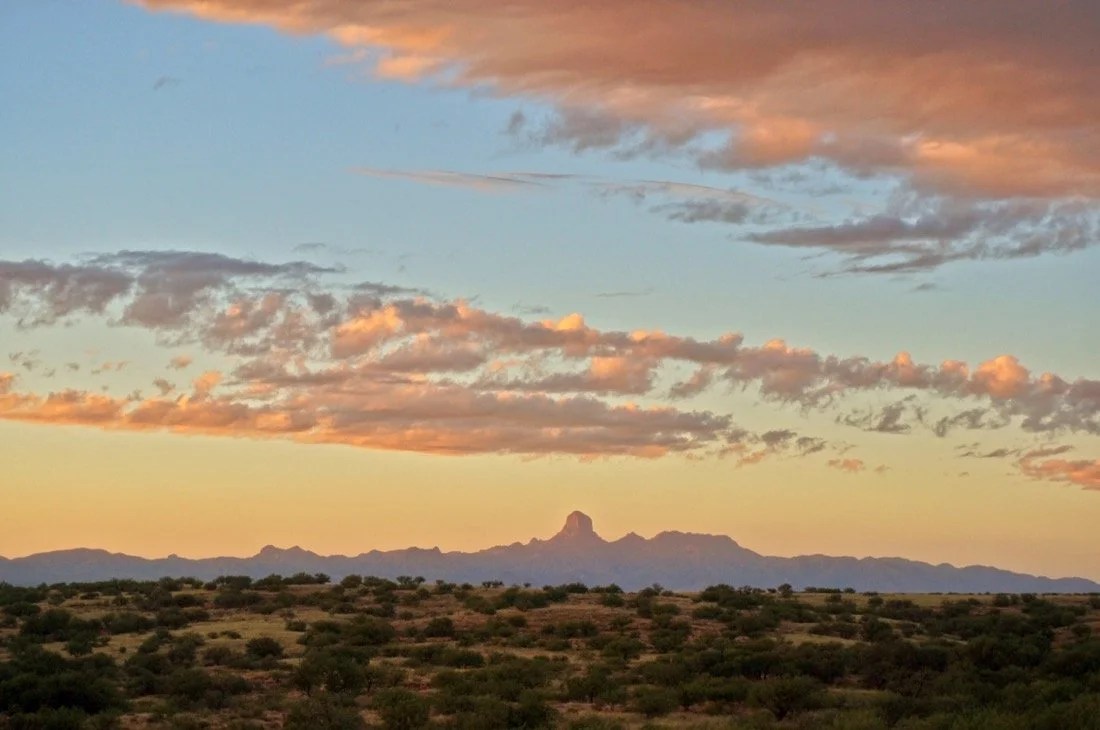
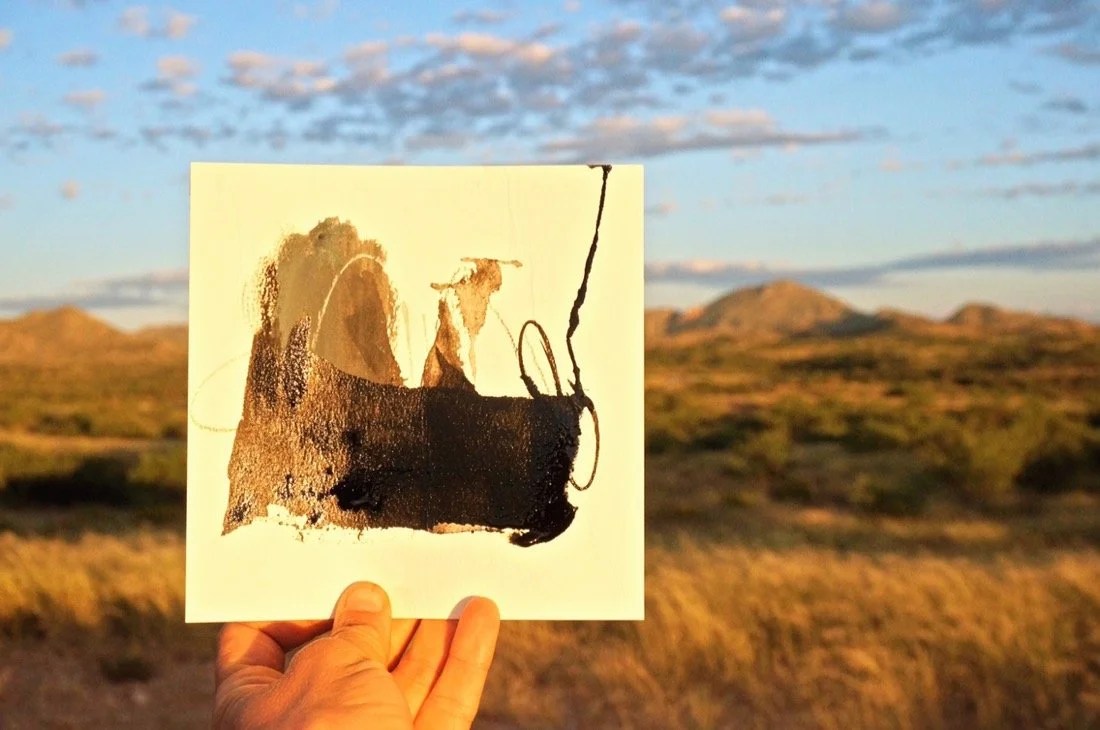
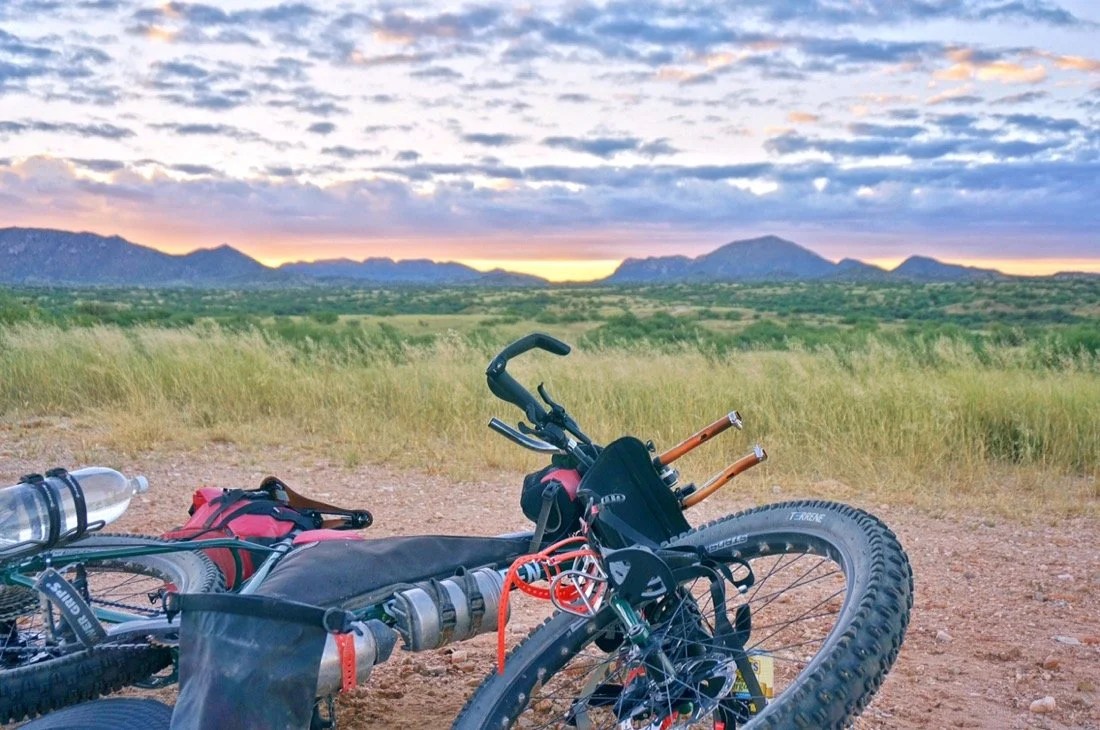
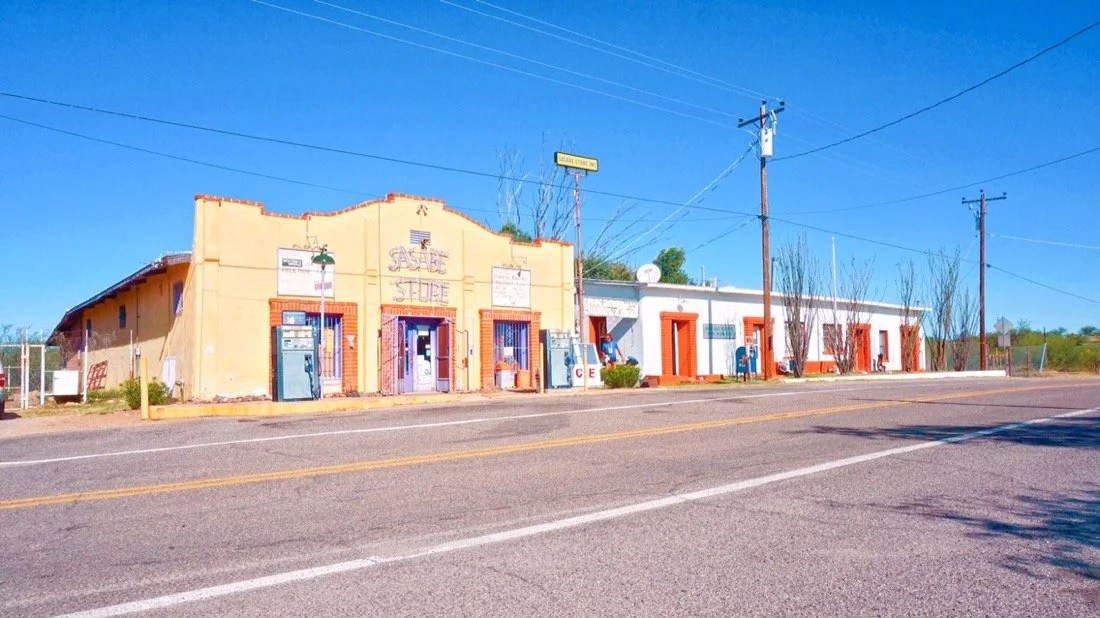
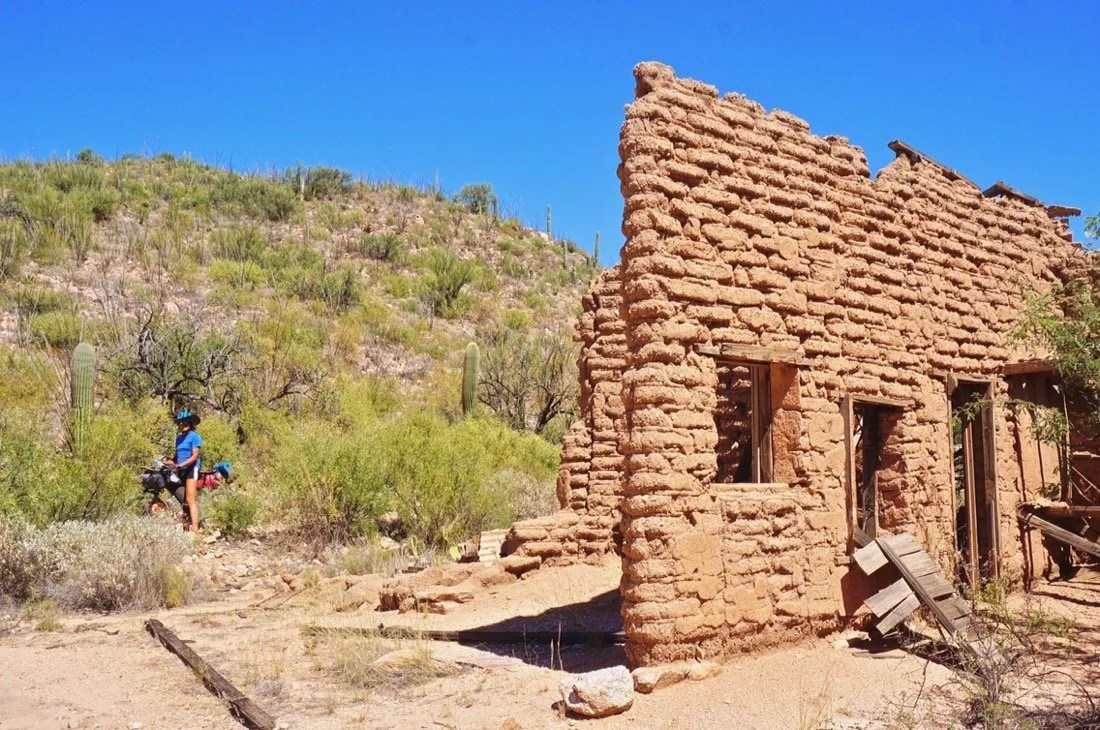
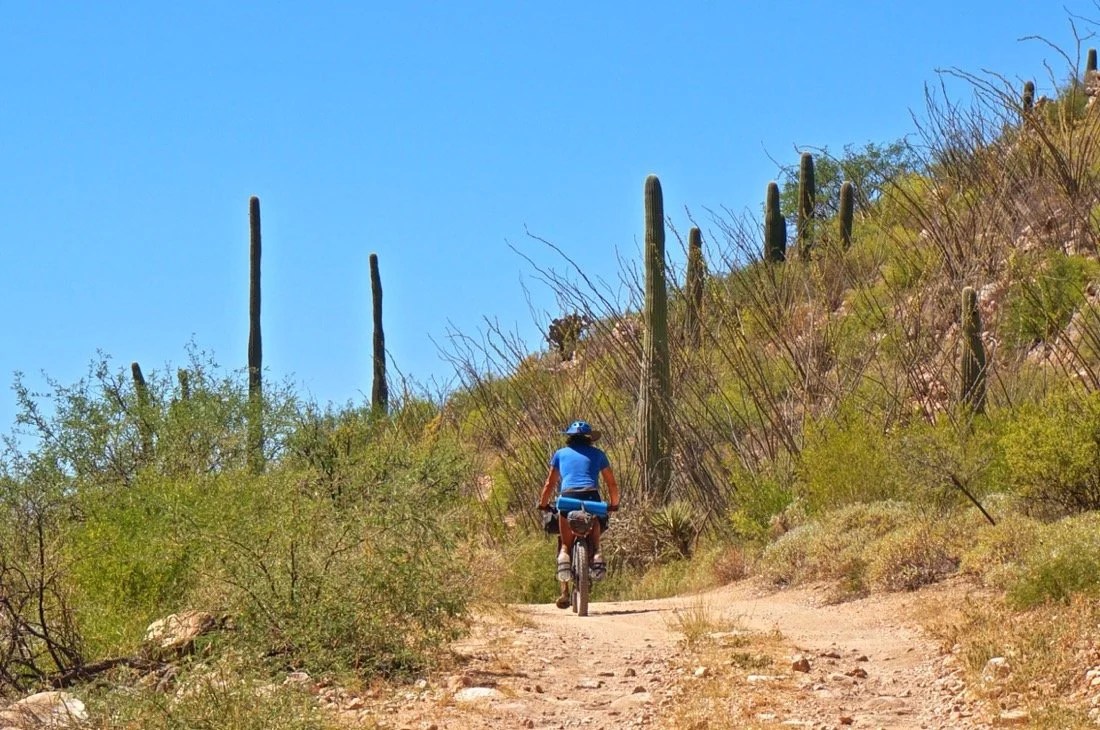
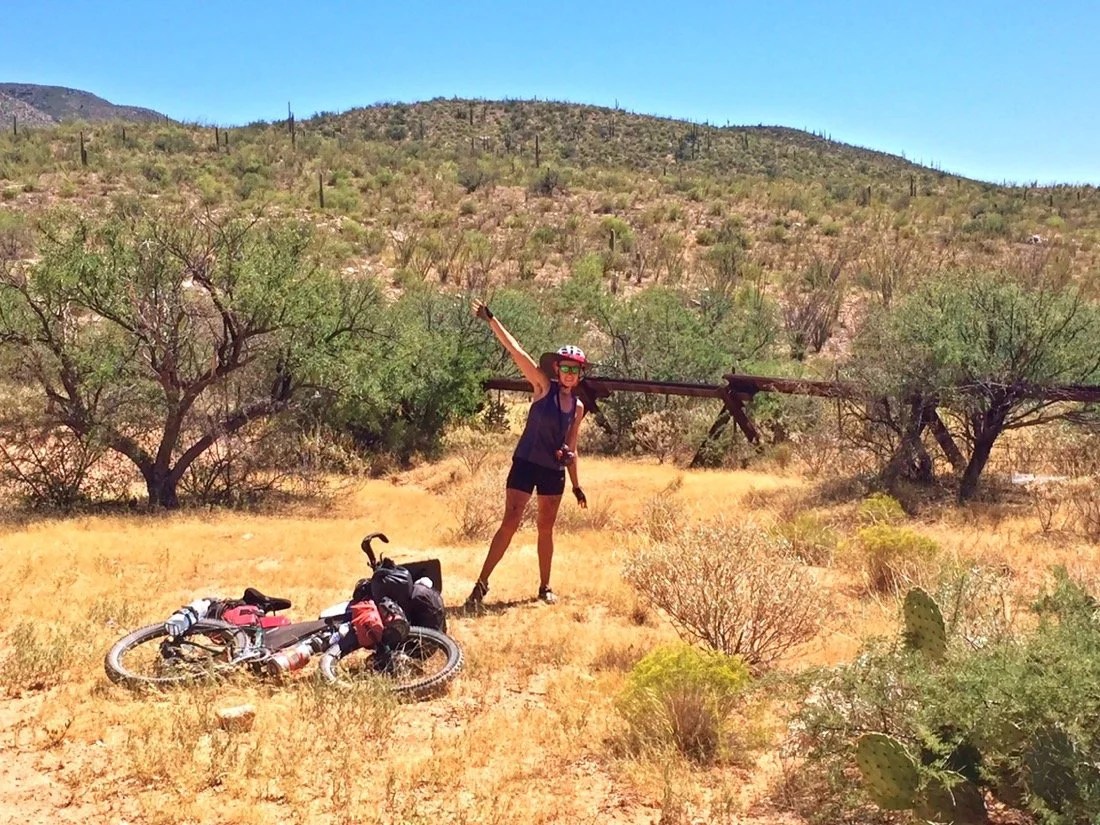
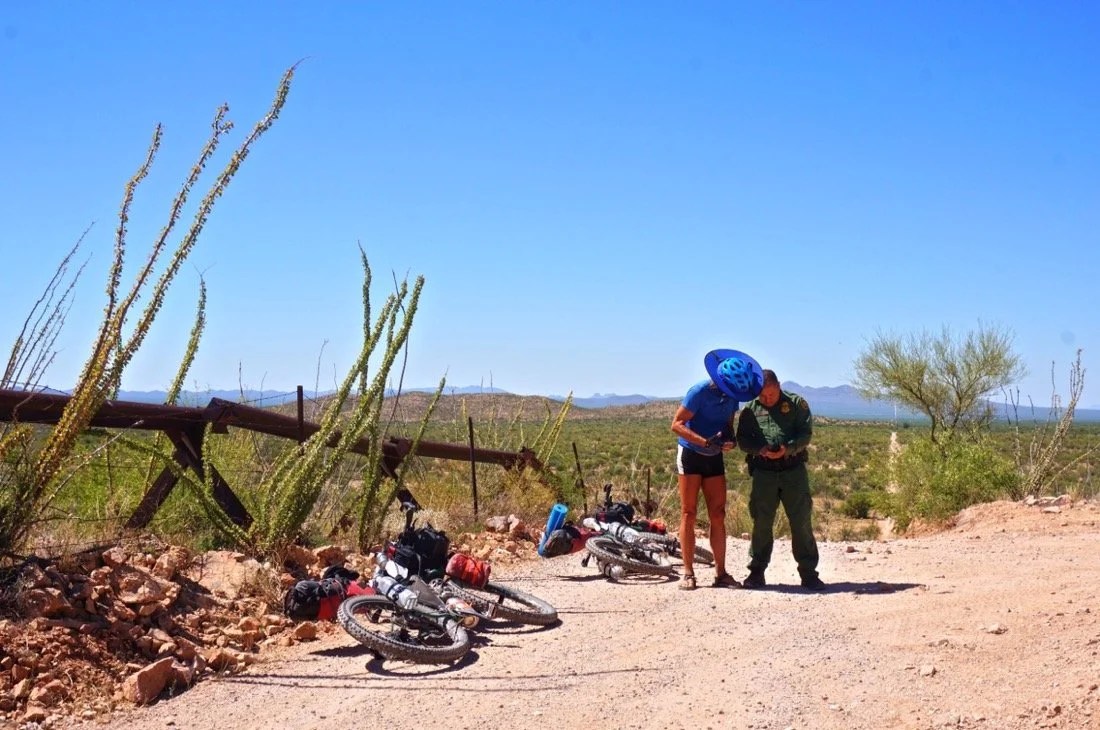
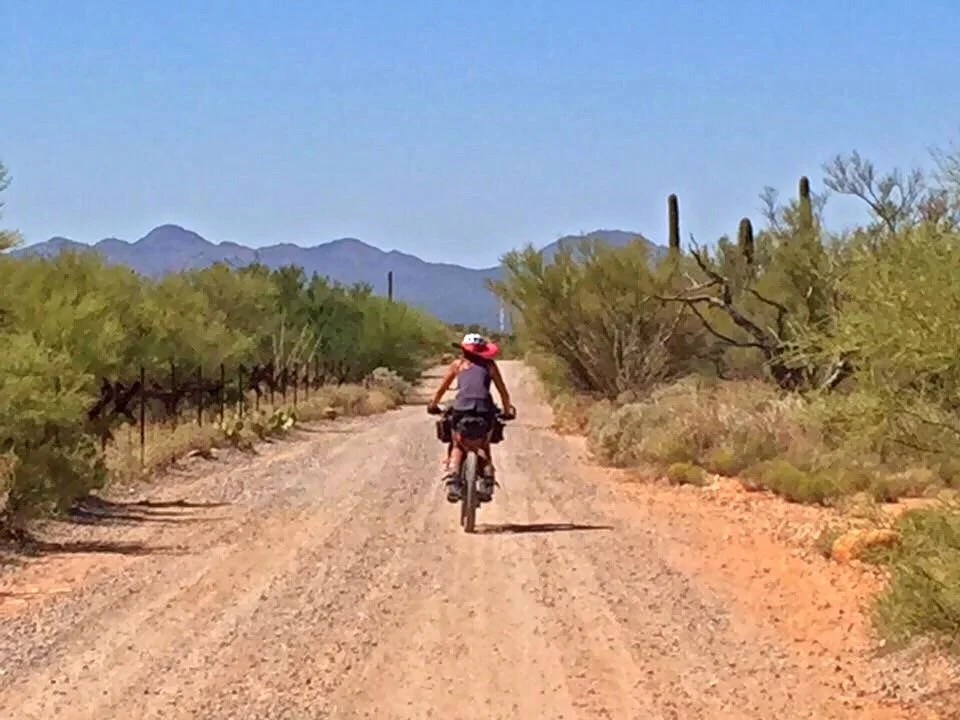
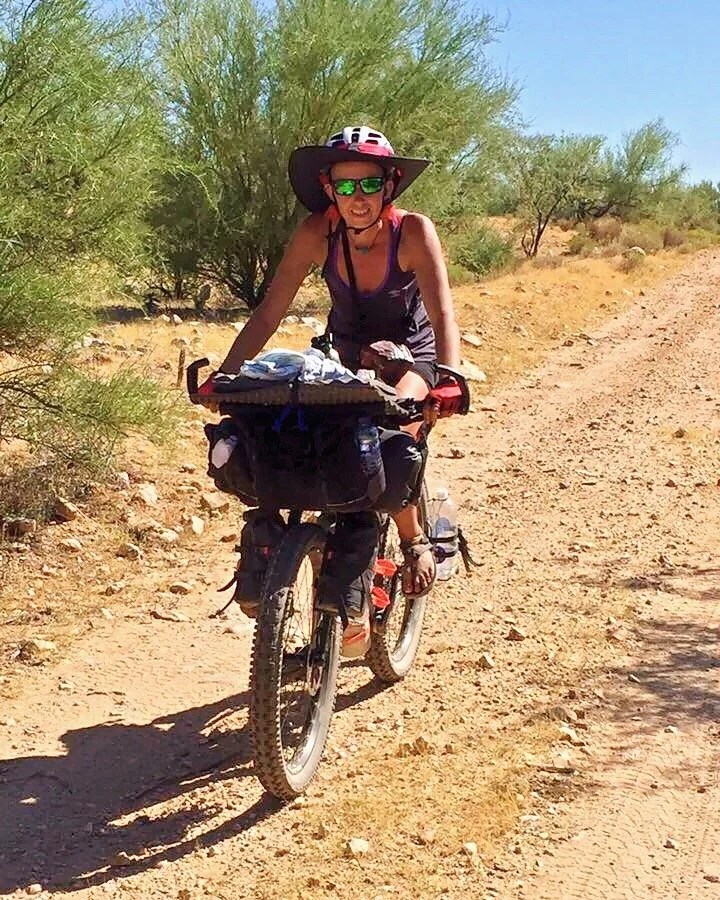
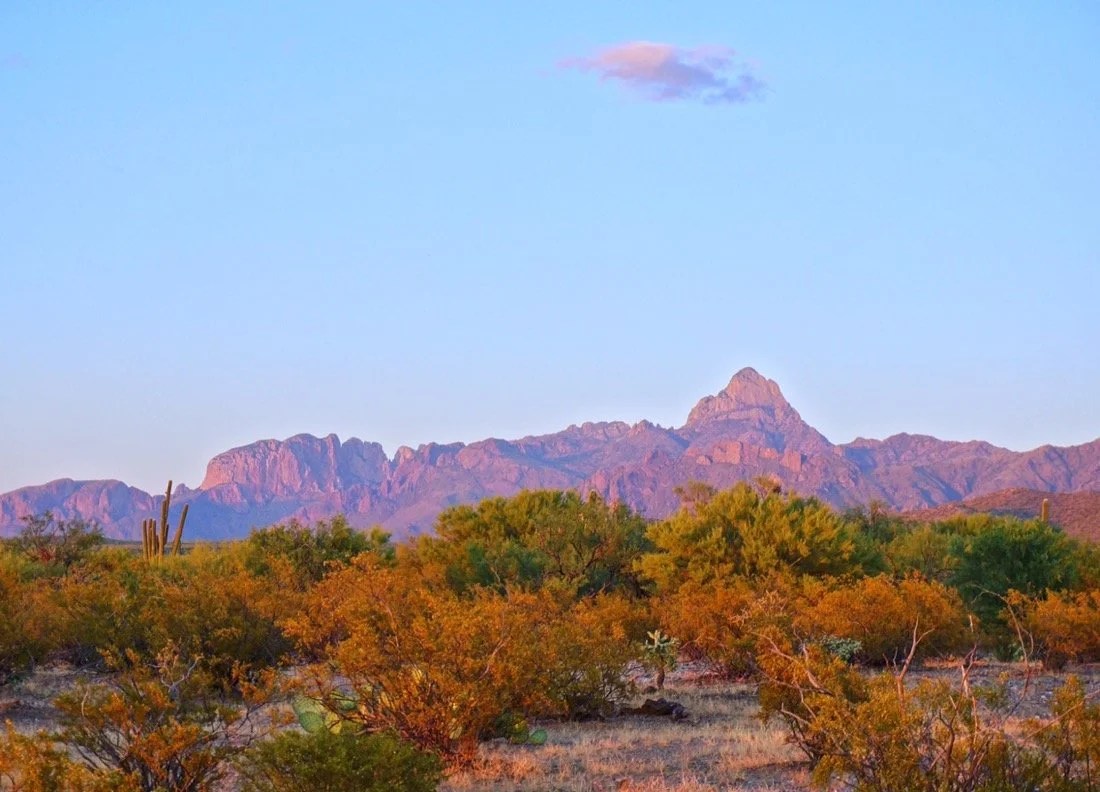
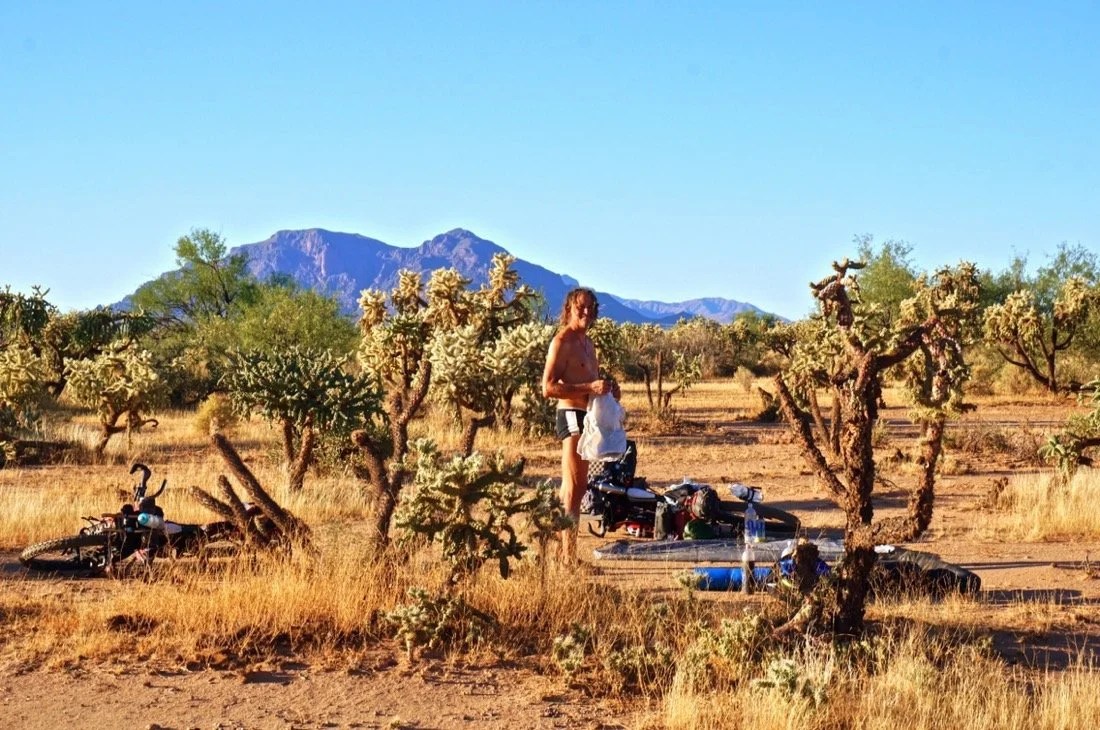
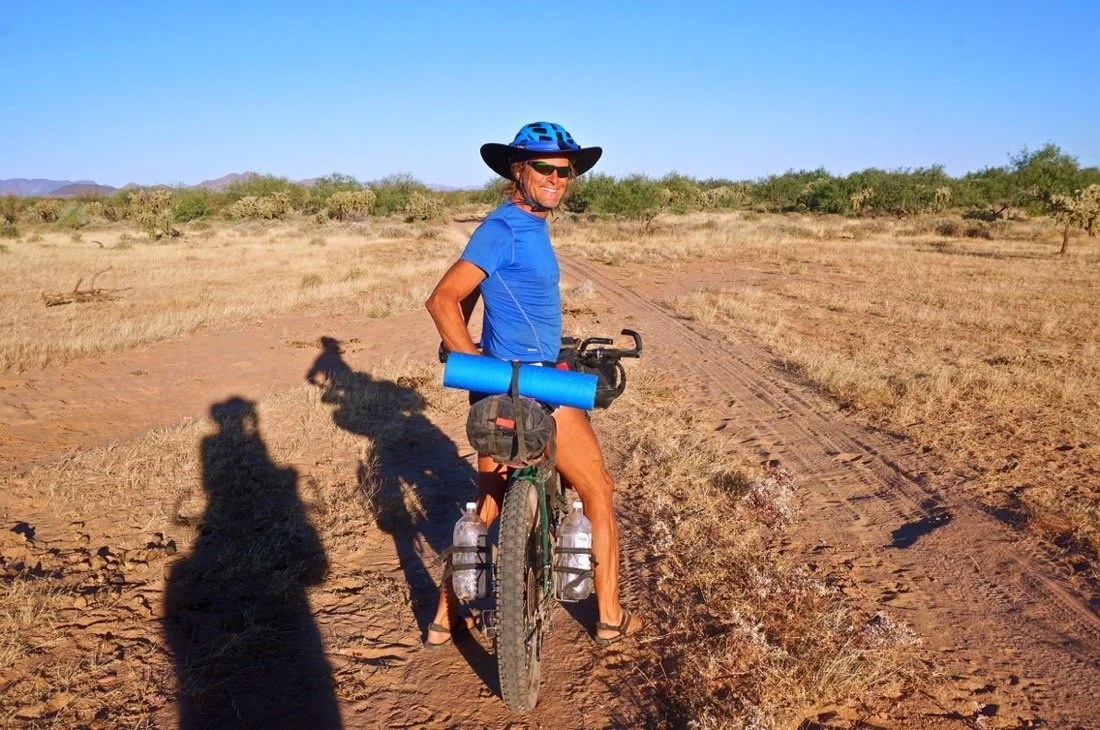
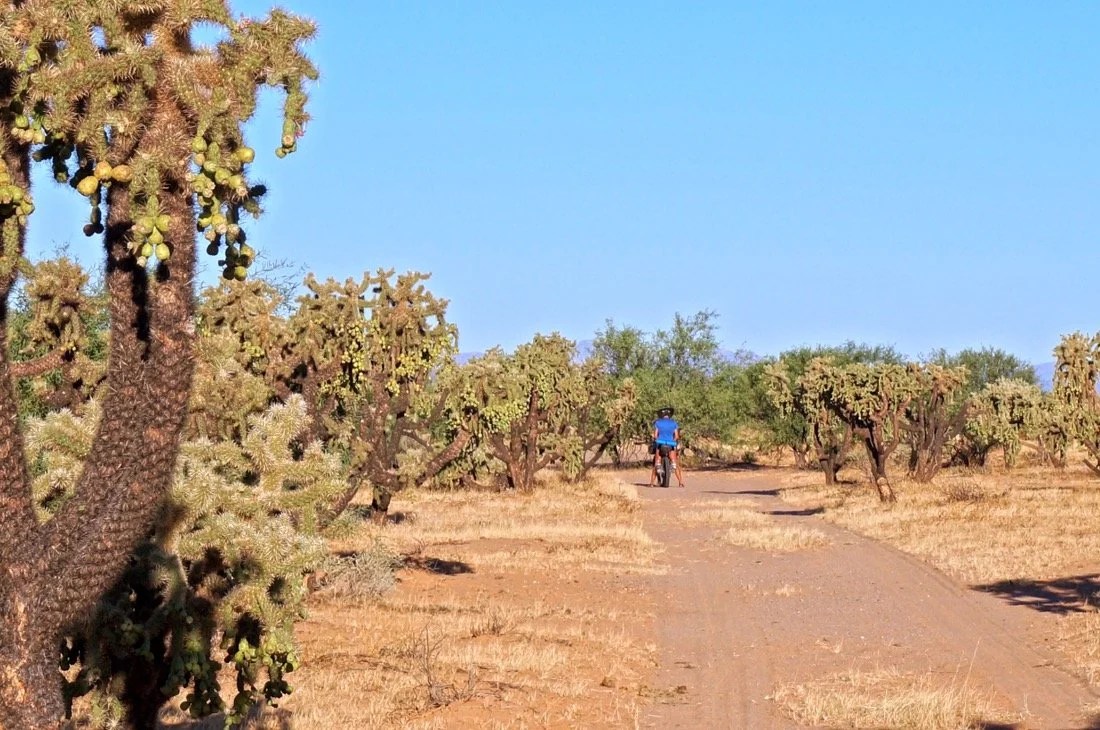
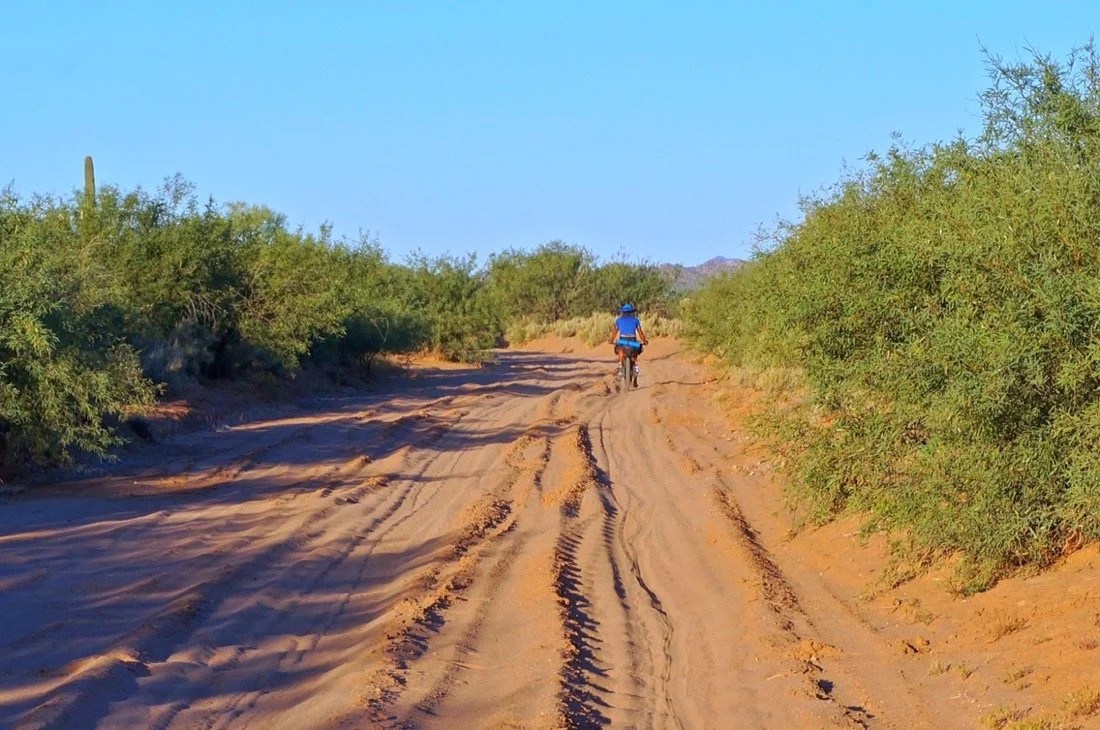
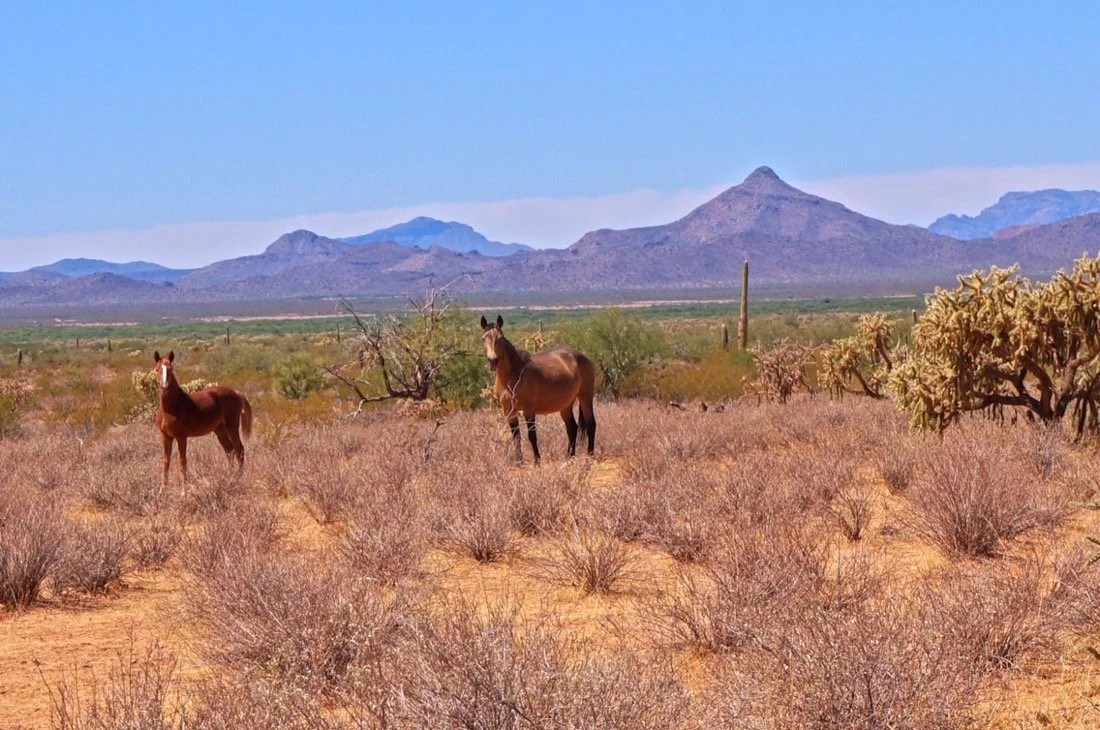
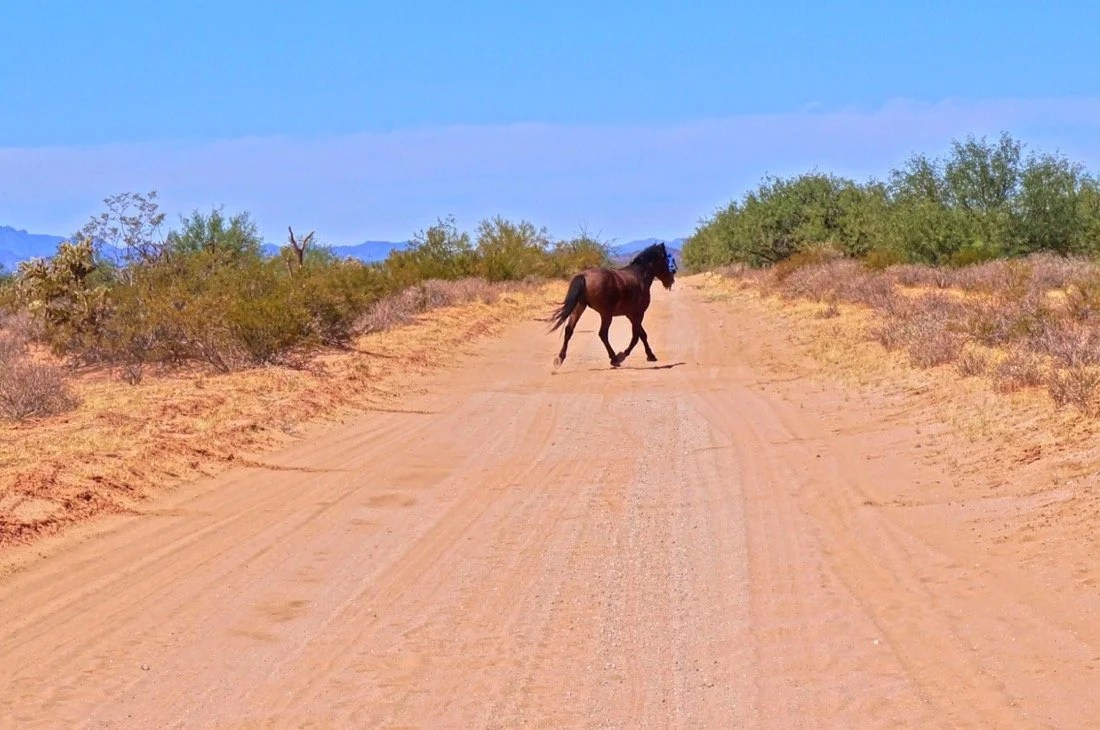
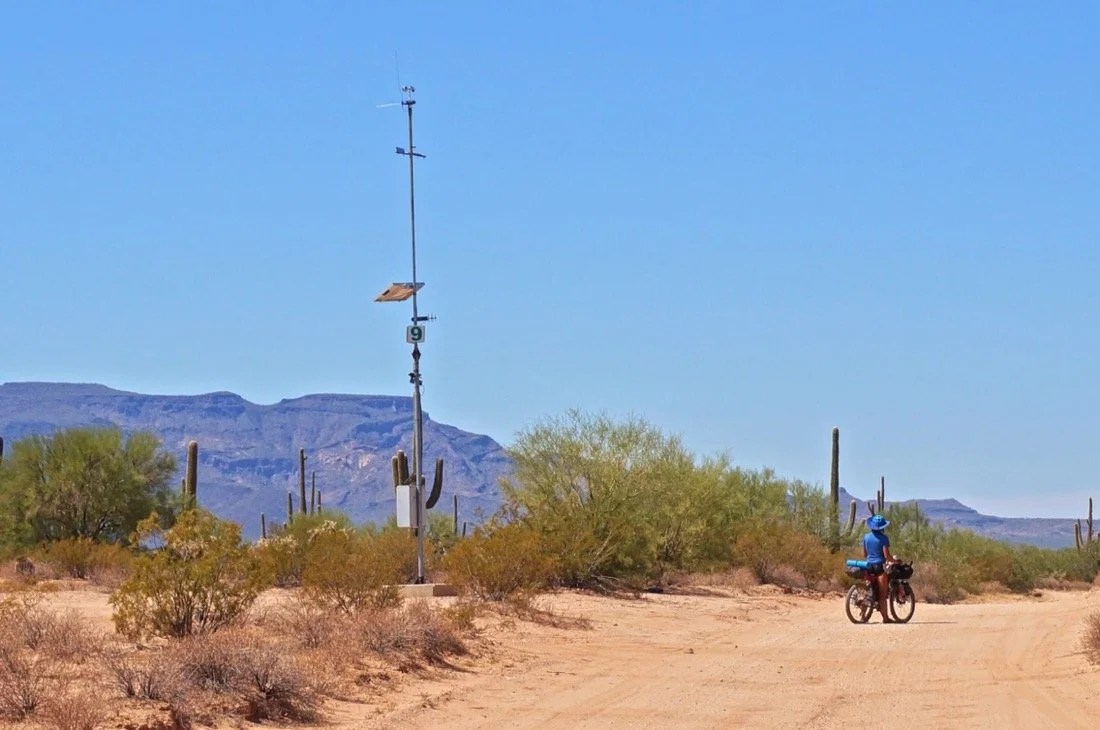
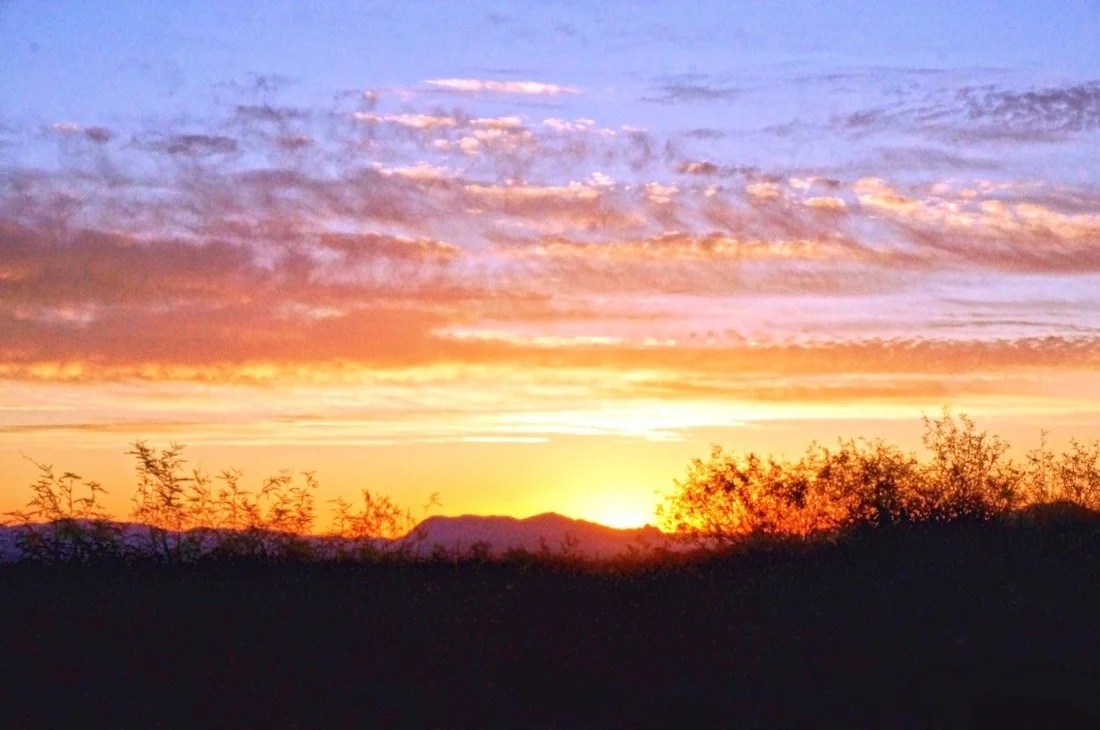
We’ve come 14 km from home so far. How far is it to Argentina? Something like that, maybe a little further, Neon replied. Ok, I said, I’ll need to get more water then.We filled our canteens at the Elephant Head trailhead and continued on; Neon thinking we’d get to the town of Amado by midday, and me shaking my head saying, maybe by tomorrow, adding “I think this trail gets harder and our bikes are heavy.” The trail was rocky and lined with catclaw for most of the singletrack portion (and two-track too); at one point a tall catclaw bush pulled me off my bike and I nearly landed in it while trying to save the fall. We pushed our bikes uphill over ledges of rock the final third until we reached a good dirt road. From there it was a swift ride into Amado where we got water and camped on the Juan Bautista de Anza Trail. People peered in from the roadside, watching us, so we moved camp a little further down the trail. In the night, three people ran by startling me awake. I watched the shooting stars for awhile until an owl landed in the tree beside our camp. It was loud, and its silhouette striking against the dark sky.The next day we took paved roads, including a section of interstate, to Tubac where we mailed a bunch of excess stuff home leaving our bikes much lighter than when we started this journey. We continued south, riding some on the Anza Trail, and the rest of the way to Rio Rico on paved roads. We arrived in Rio Rico by midday, resupplied, and headed off on a dirt road shortcut to Ruby Road (a scenic road that runs along the Mexico border between Rio Rico and Arivaca). We camped in a wash on the side of the road a few miles from Rio Rico. I took a liter shower and had my best night sleep so far since we began.The next day we continued down Ruby Road to Peña Blanca Lake, had a burrito picnic, rinsed our clothes, and washed up in the lake. The day was filled with nice riding up and over hills in a classic Sonoran Desert “old west” setting. We arrived in Arivaca the following day, resupplied, and then headed south and west on dirt roads along the Mexican Border to the border town of Sasabe. The border patrol roam these roads, but always smile and wave when we pass. We slept in the desert near Sasabe, watching the sunset paint Baboquivari in soft pinks and oranges in the fading evening light.After resupplying in Sasabe, we headed northwest over Presumido Pass in the Pozo Verde Mountains, south of Baboquivari. We descended into Tohono O’odham Nation land on the other side of the pass and continued our ride north toward Baboquivari, spending one last day and night with the mountain that captured my soul the first time I saw it seven years ago. The shooting stars have been amazing, and on this particular night Neon said “look, look, look”. I looked up and there was the biggest, and greenest, shooting star I had ever seen. He said, “That one is going to make a noise somewhere when it hits.”In the morning we continued north to Sells, and then west across another road that eventually turned to dirt, and then sand, lots and lots of sand. We camped in a chollo forest. I woke in the night to pee. In the distance I saw a blue blinking light, the first of many we would come to see. I had heard about these. They’re “help” stations along the border where if an immigrant gets desperate and thirsty enough they can push a button and the border patrol will come get them. A little while later a border patrol drove by and coyotes howled. I watched the shooting stars until I fell asleep, but woke again shortly thereafter to wild horses tromping through near our camp. We woke early and continued across the desert. We decided to take a smaller road slightly north that was hopefully less sandy. It went through what looked like old growth chollo forest, but it eventually ended. We weaved our way through the desert on cattle/horse/donkey/burro trails until we found another road that led us to a little town called Kupk. From here we caught the bigger road west to paved road that led to Pisinemo. We got water and took another dirt road west to the eastern boundary of Organ Pipe National Monument where we decided to head north on pavement and ride into Ajo on the main hwy. after eight days we were more than ready for a real shower, clean clothes, and a night or two in a real bed. And salad, on these long stretches out I crave greens!… … …I don’t really have any stories from this journey yet as everything is still seeping in and becoming real. It always takes a while for me, at the beginning of a new journey, to peel back the layers of myself and let the new places and experiences show me the way. My current thoughts are muddled up on the different stories and histories and feuds surrounding the Arizona Mexican border. These places, the people, and the long history of disputes that permeate the border areas are intriguing and challenging to understand. On our journey through, the Tohono O’odham thought the border patrol would give us a hard time. That was not our experience. The border patrol were friendly, helped us with directions, and were curious about our bikes and our journey. The border patrol thought the Tohono O’odham would give us a hard time. That was not our experience; they were friendly and curious about our journey. Everyone was worried for our safety. We saw four people, all dressed in black, obviously “illegals”; they were just hoping to go unnoticed, and never bothered us. We saw several dead donkeys and cattle decaying in the sun, hollowed out, with flies, and buzzards, and coyotes cleaning up their remains. It’s a harsh landscape on one hand, but home to many on the other hand. I don’t know this place, but in the few days I spent riding throuygh I found myself trying to imagine what it would be like to call it home.______You can sign up to receive The Redheaded Nomad’s blog posts in your email inbox; sign up at the bottom of any page on my website: theredheadednomad.comYou can also follow me on Instagram @theredheadednomad and on Facebook @redheadednomad







 ______ Coming next: El Camino del Diablo, The Devil’s Highway in southern Arizona.